On Being
Sophia Dombrowski
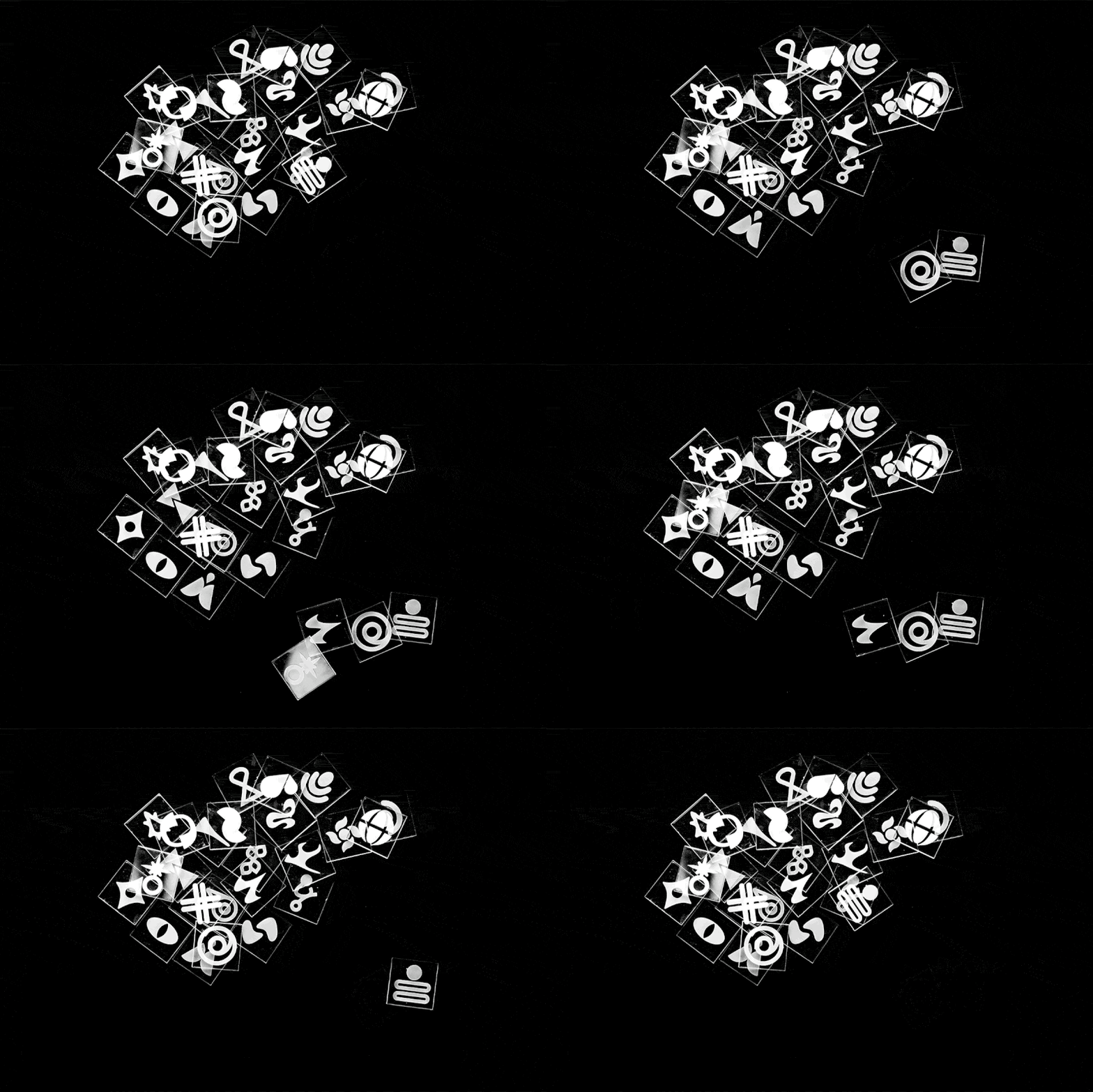
Creativity is commonly framed as a specialized skill possessed by artists rather than as a fundamental human need embedded in everyday life. On Being operates at the intersection of communication design, observation, and creativity, using place and experience as both subject and system.
Drawing from theories of perception: John Berger, space: Gaston Bachelard, creativity: Bruno Munari and Brian Eno, and human needs: Abraham Maslow, On Being reframes design as a facilitative practice that structures attention, reflection, and participation. It encourages users to pause, notice, and respond creatively to their surroundings.
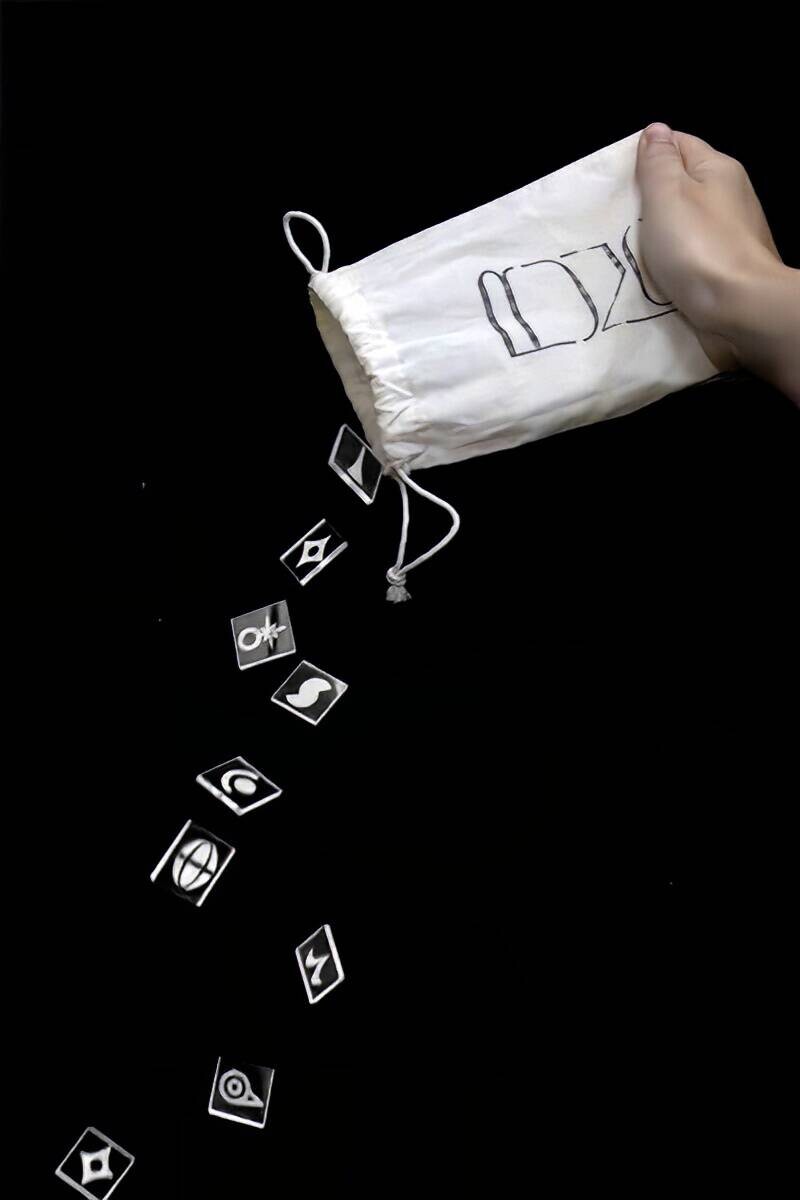
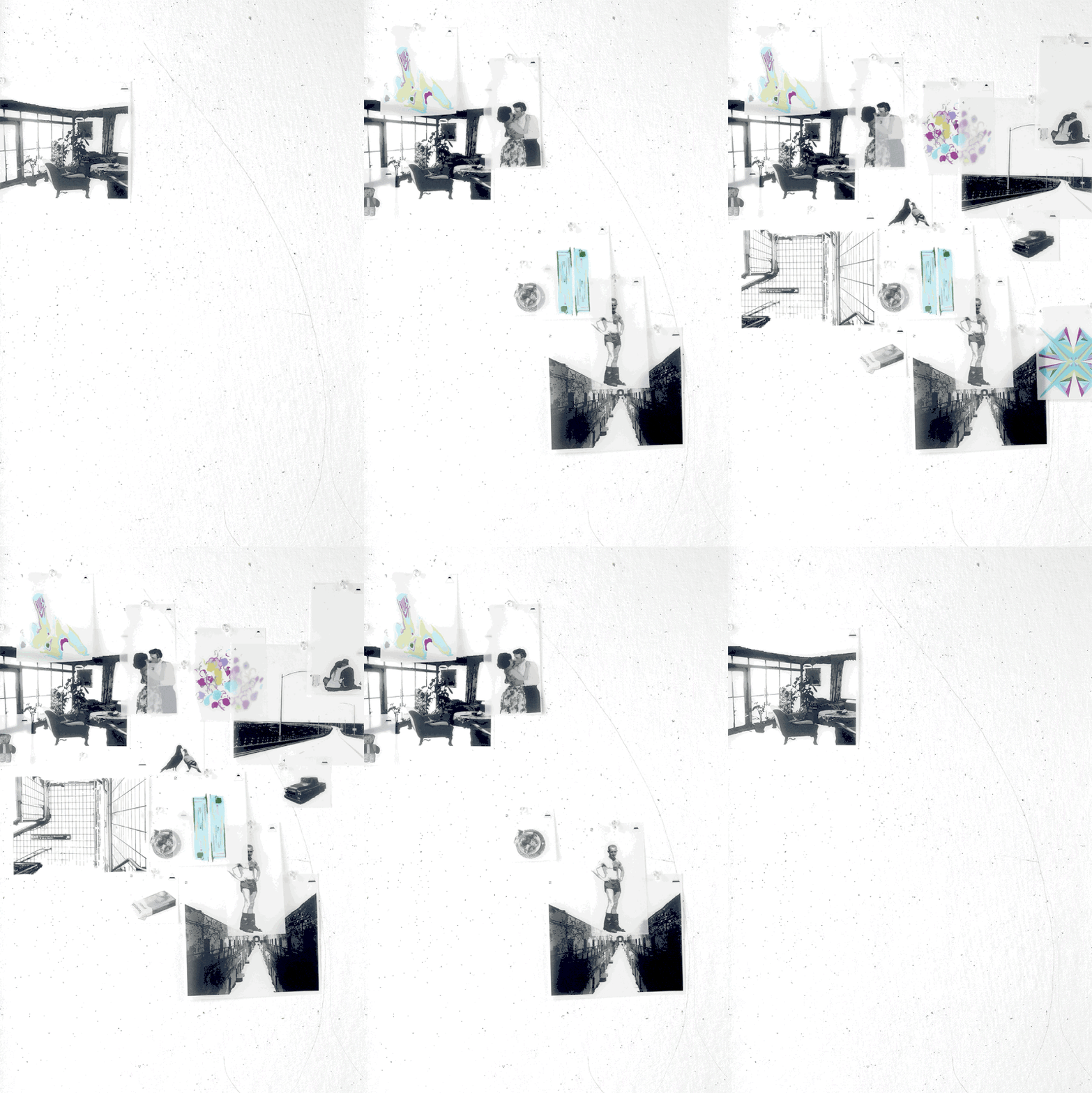
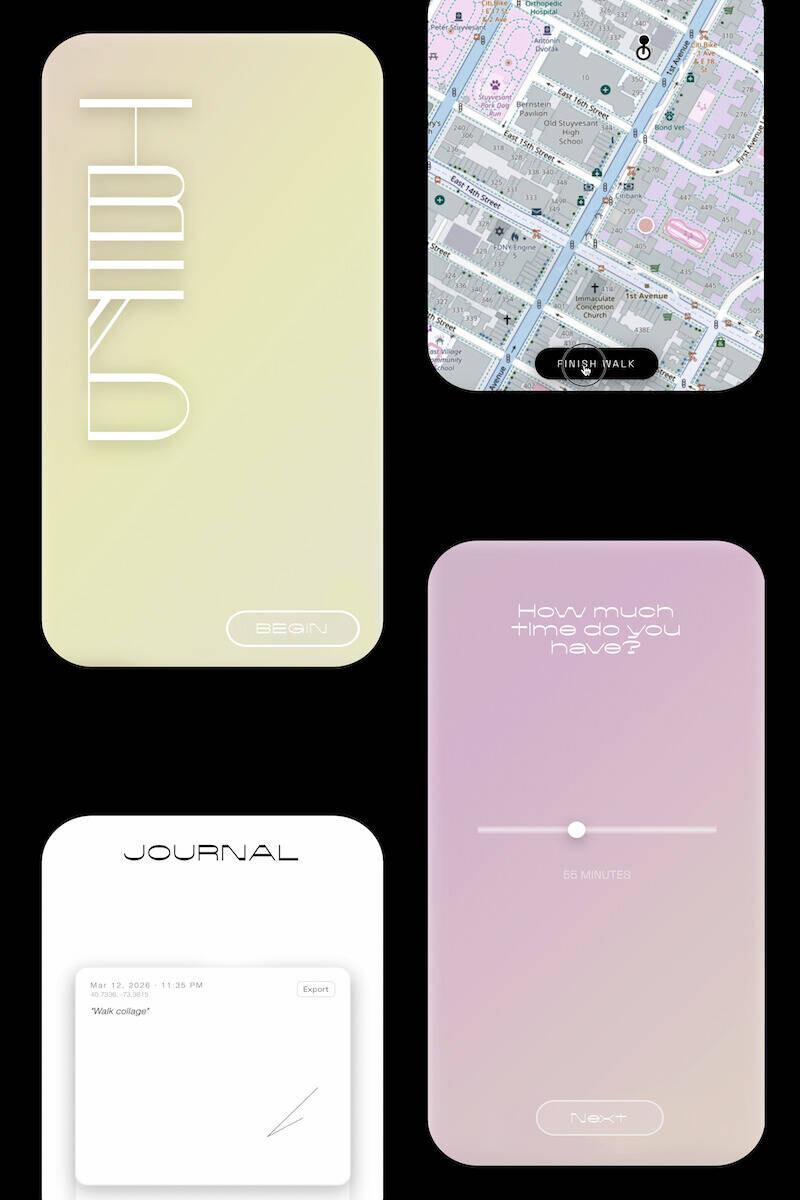
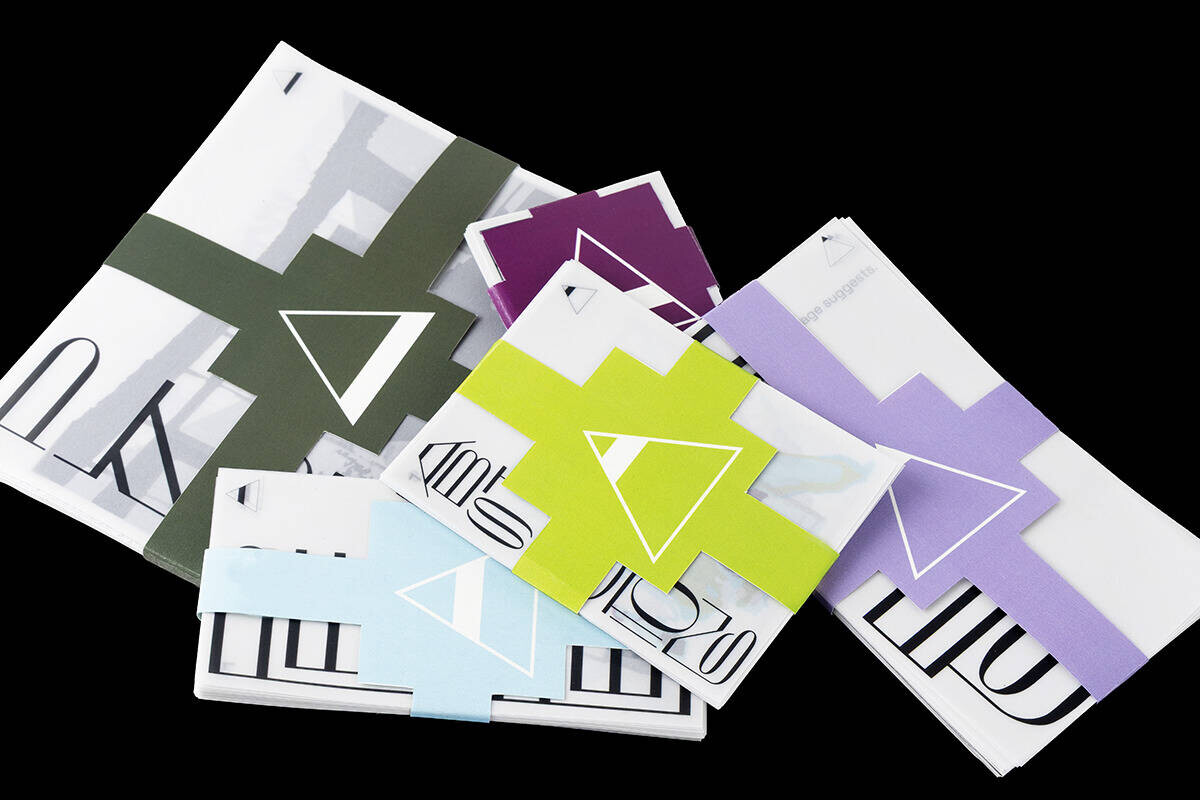
The primary outcome takes three forms intended for a broad audience, promoting creative outcomes. TREAD, a daily practice of connection and attention; MODUS, a cumulative, time-based calendar that builds space through layered perception; and RUNIC, an abstract symbolic language for composing meaning through form. The supplementary form functions as both archive and guide, presenting research, discarded ideas, visual studies, and written reflections as integral components of the work.
Intended for creatives and non-creatives alike, On Being proposes an expanded role for design, one that prioritizes lived experience, participation, and perception as central to the discipline and the human experience of being. These experiences do not ask users to produce finished works, but instead create conditions that support creative attention as a pathway toward self-actualization.