Cute By Belief
Jade Park

What makes something cute?
The rise of Labubu, Sony Angel, and Simiski is by no means accidental. It is orchestrated by collective belief.
In this hyperconnected era, taste is no longer personal. It is easier to influence and imitate aesthetic preferences even without noticing. Cute, as any other kind of aesthetic value, is not inherent to an object, or to an individual's mind. Instead, it is a collective belief that’s socially constructed and continuously renegotiated through social circulations across networks: social media, influencer endorsement, and resale economy.
This thesis, Cute by Belief, unfolds the impact of collective belief and how it shapes one's perception of an object as "cute." It explores how communities, networks, and shared psychology shape the meanings we attach to things we perceive.
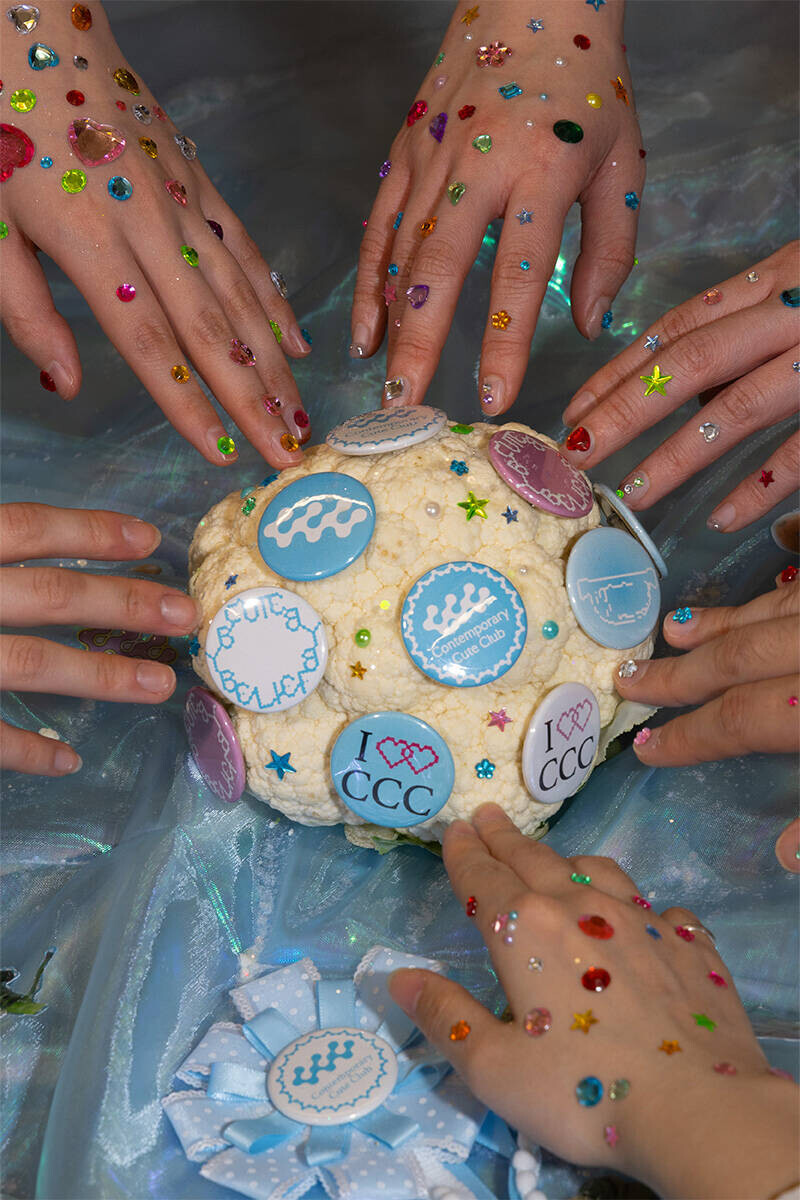
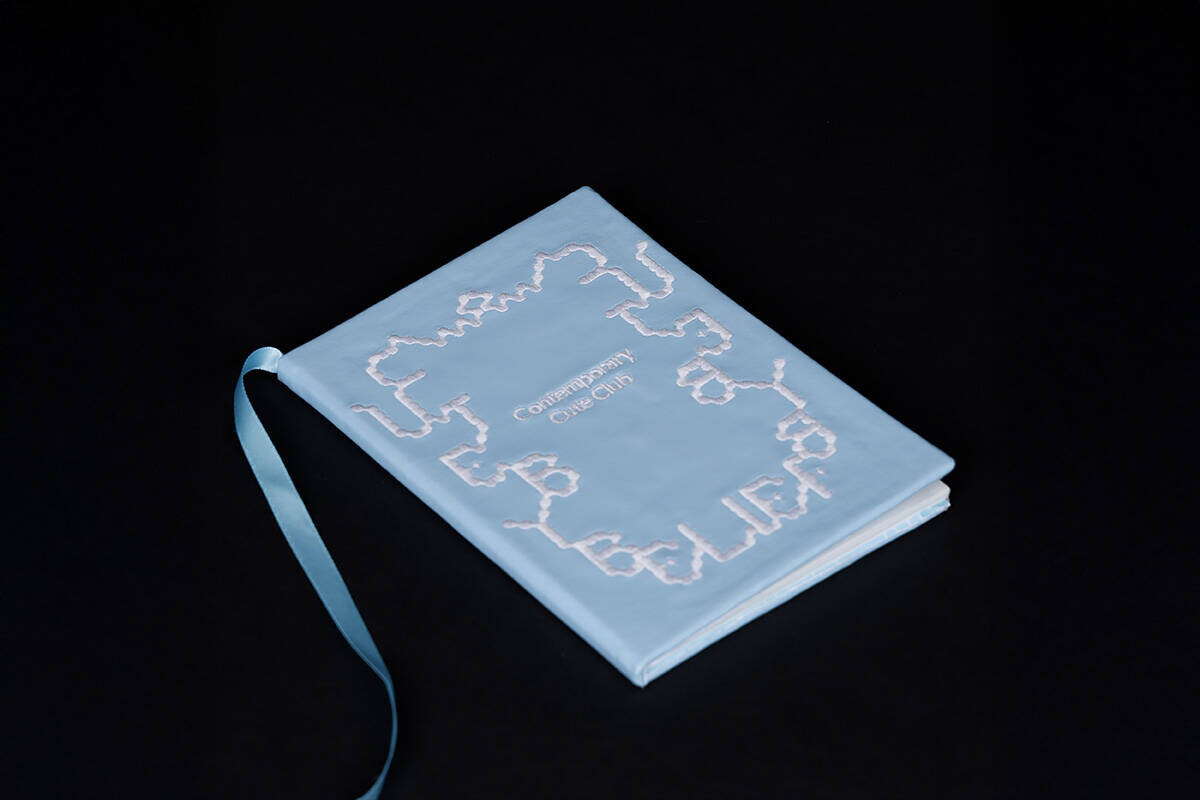
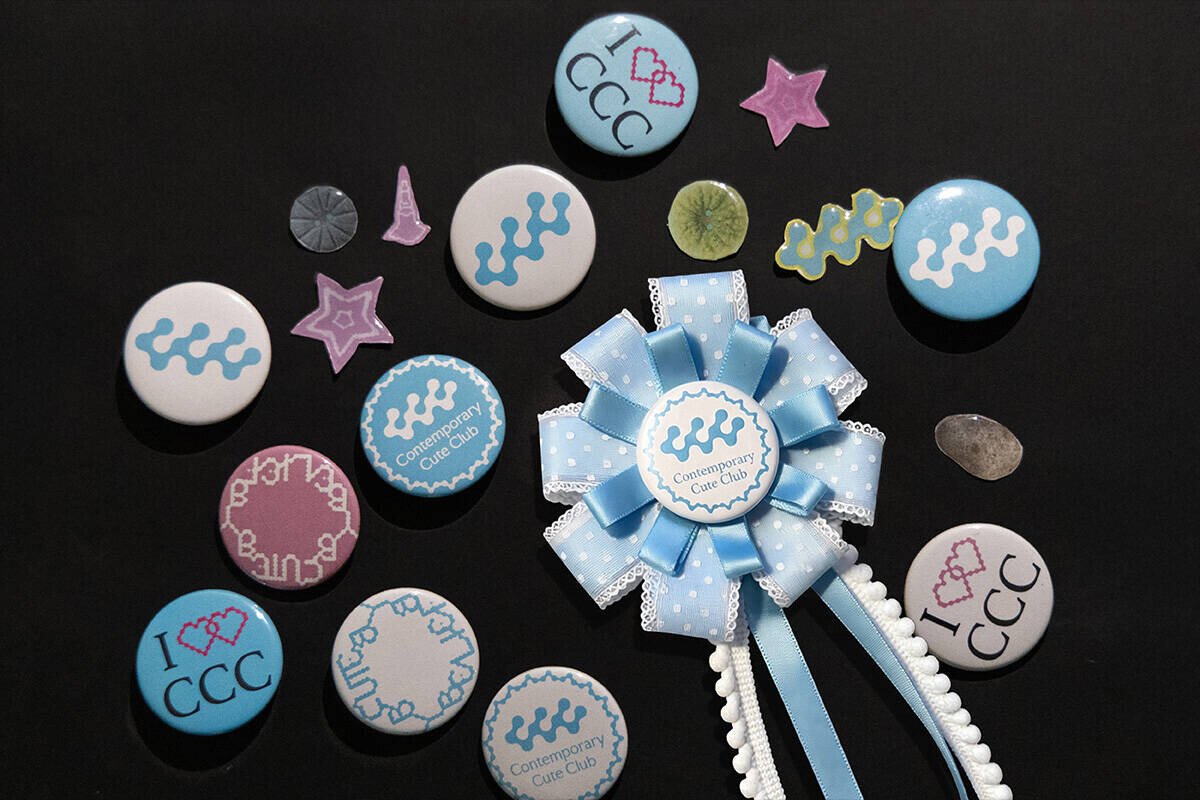
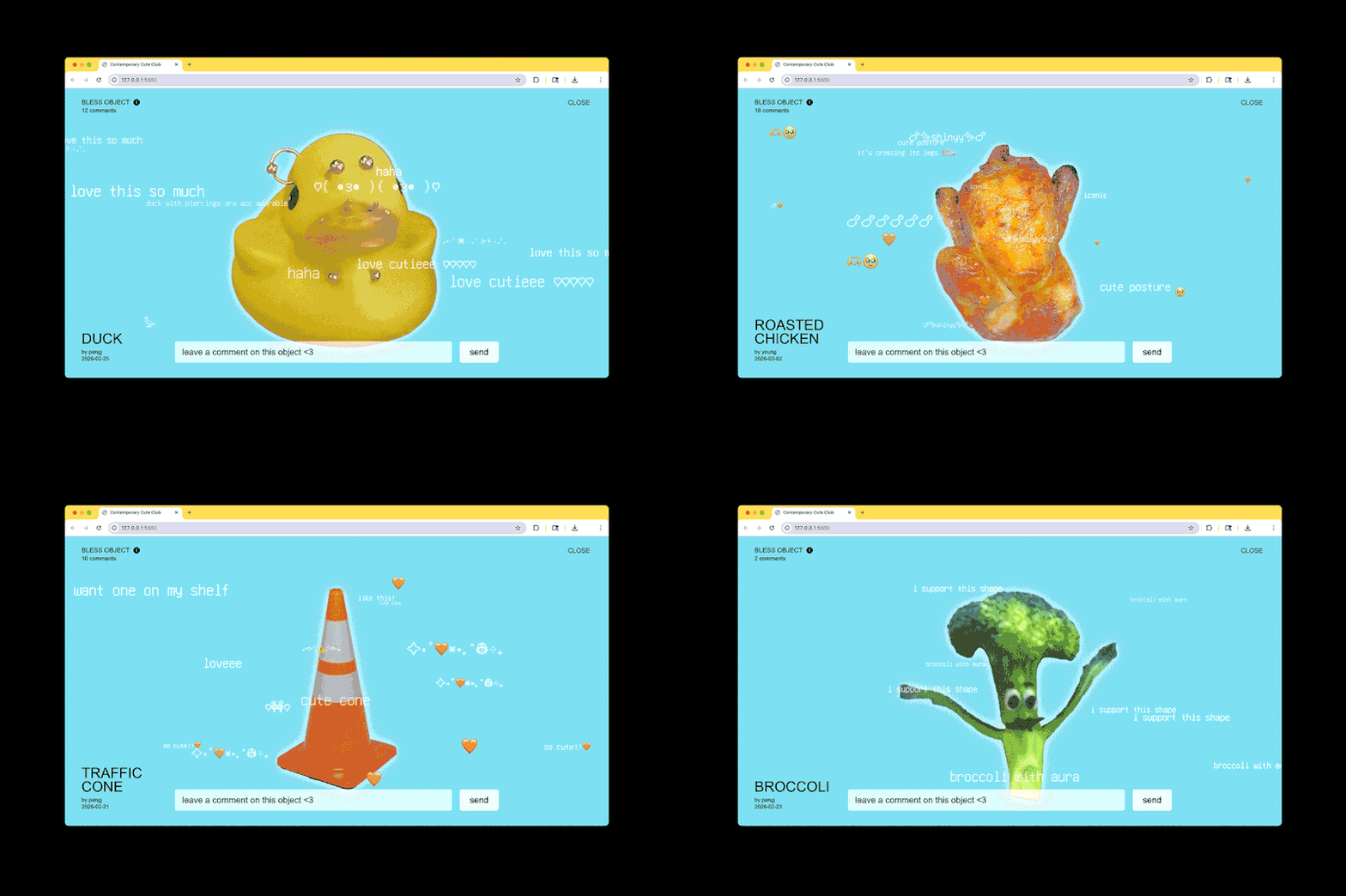
By reimagining today’s social mechanisms that decide what’s cute, the project builds a speculative collective called Contemporary Cute Club. The visual system spans across various media, including a website, bible, and merchandise. Instead of promoting conventional ‘cute’ products, the club collectively declares everyday objects as "cute" and encourages participatory rituals around them, positioning itself as a system that actively constructs new aesthetic value: The New Cute.
The project’s goal is to make this invisible mechanism visible. By reenacting the same processes that drive real-world trends, it tells us a cautionary tale: what appears as personal taste is, in fact, shaped by networks, platforms, and social consensus that continuously frame and reinforce what is considered cute and desirable. It asks a critical question: Is your taste truly yours?