A Sign Is What It Does
Jennifer Yejin Lee
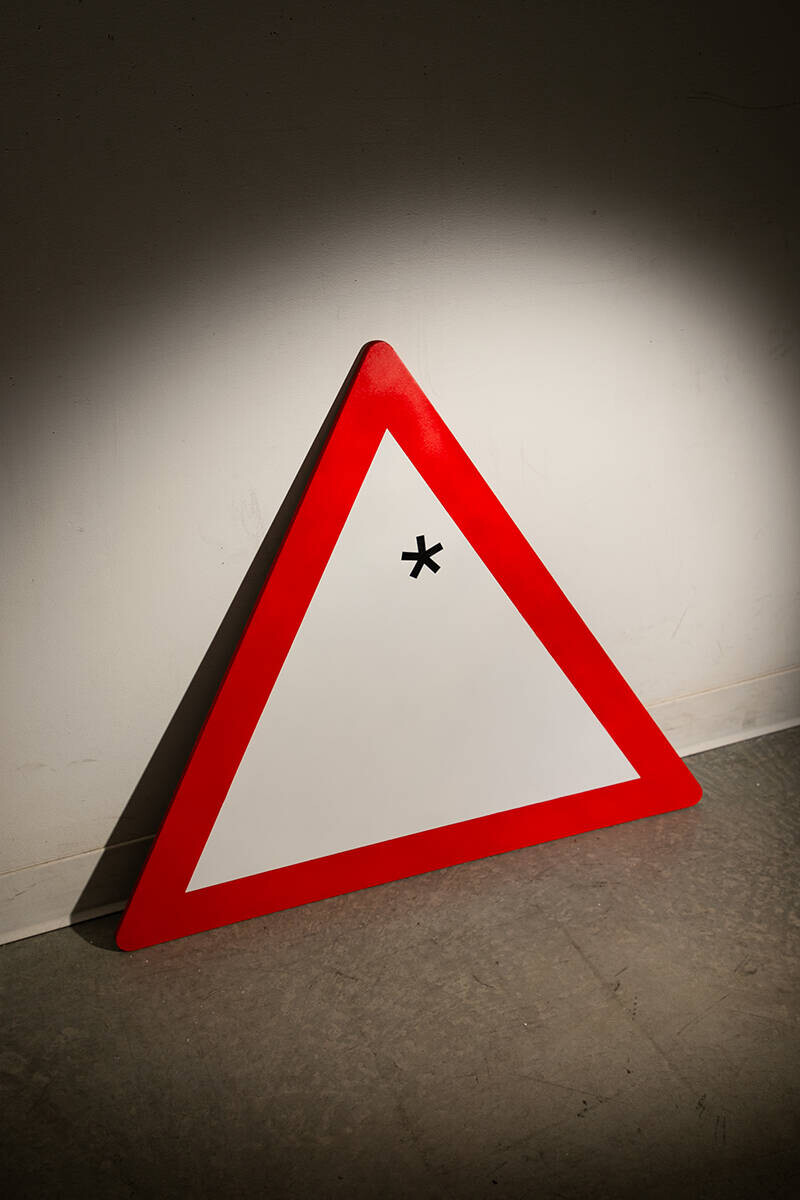
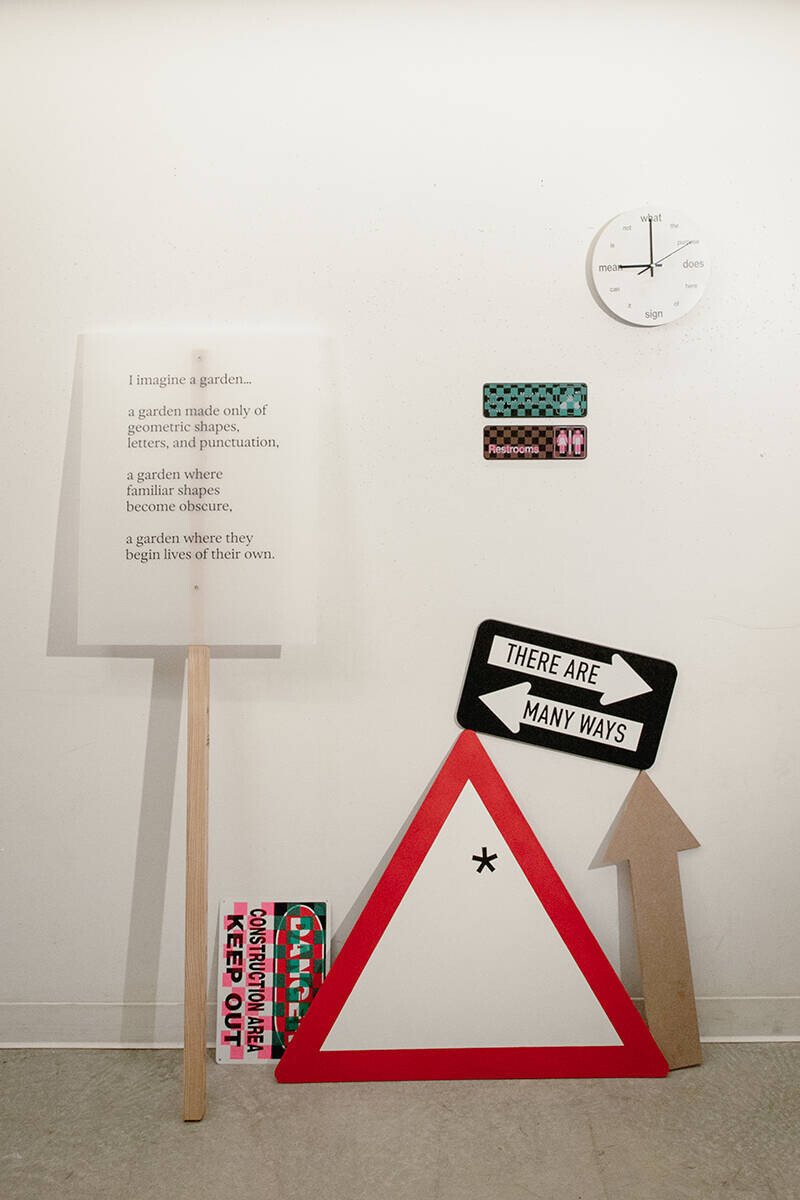
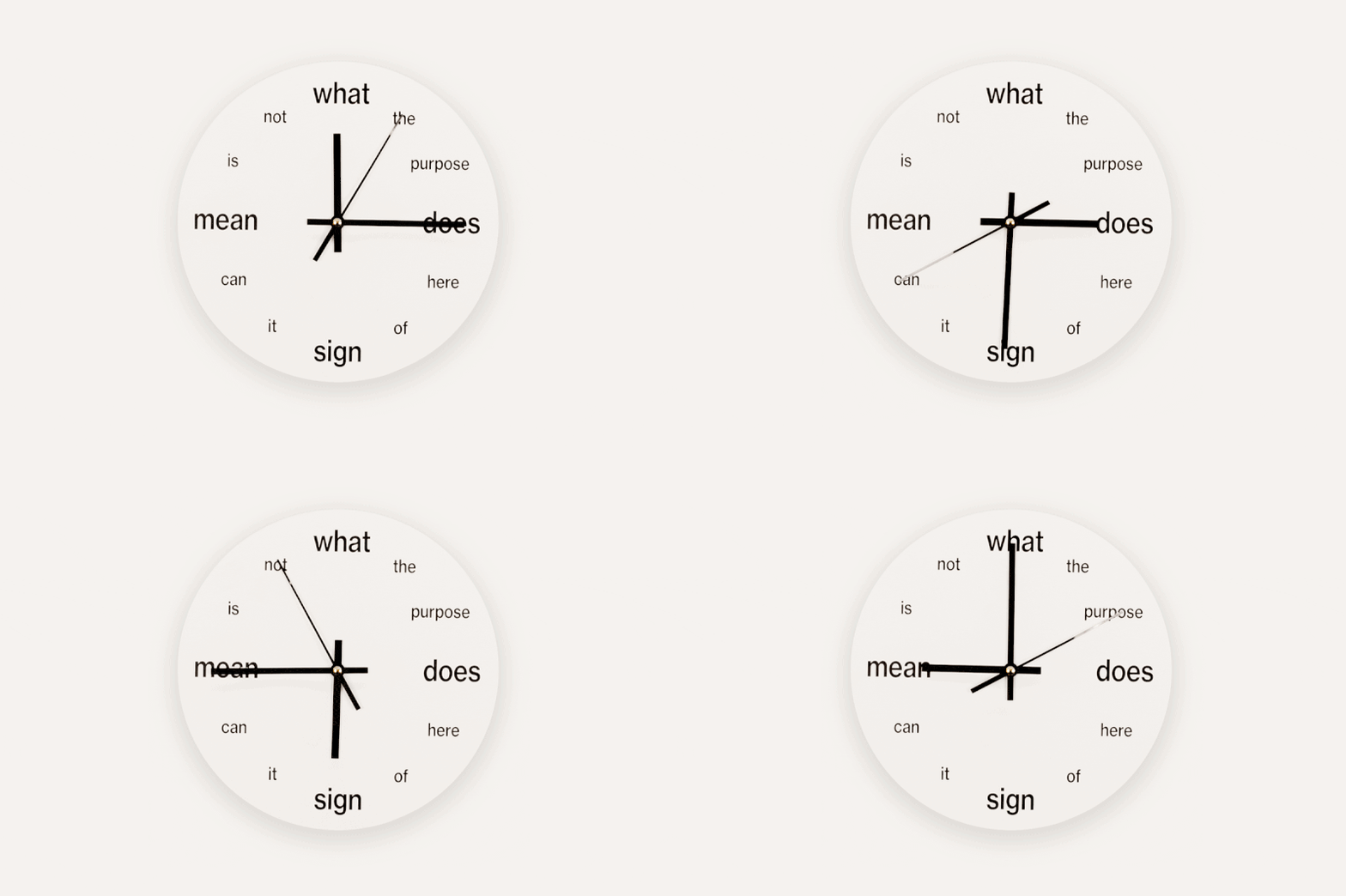
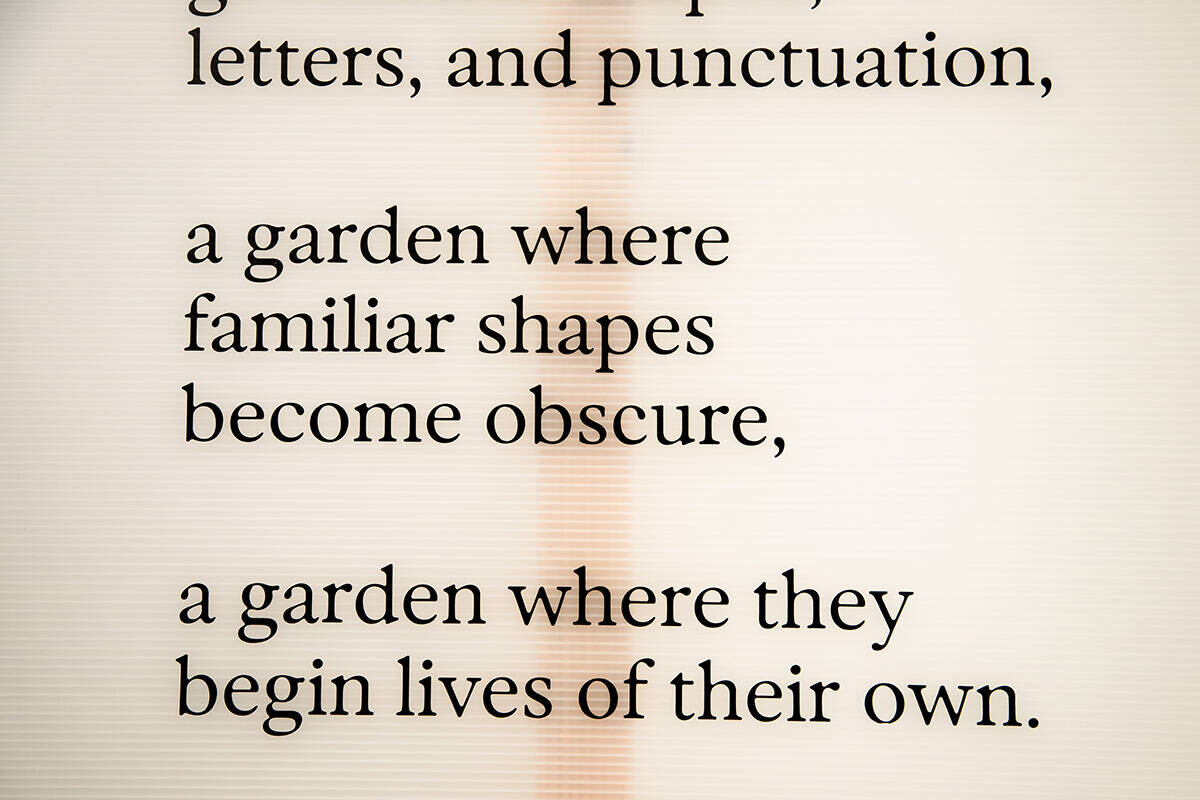
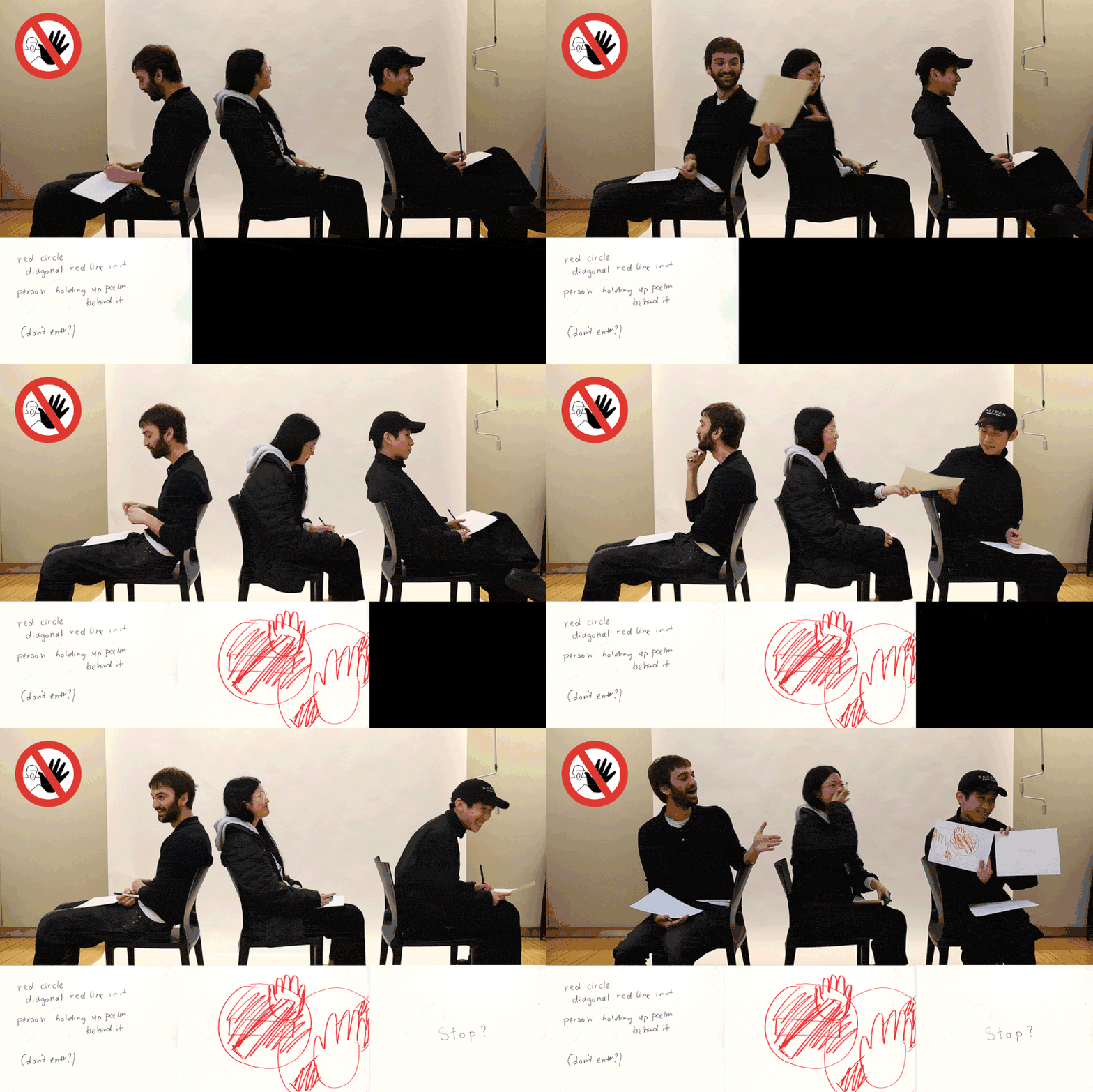
A Sign Is What It Does (ASIWID) observes signs found in our everyday life and recreates them within a contained space.
The title is inspired by two quotes: "The purpose of a system is what it does" by the British management consultant Stafford Beer, and the commonplace saying "It is what it is." Instead of defining a sign as a static, fixed means of communication, ASIWID aims to explore signs as a dynamic process that sits on the boundary of objects, spaces, and narratives. As part of this investigation, a sign interpretation experiment took place in the form of a broken telephone game. It asked participants to translate, redraw, and re-interpret the same set of signs in sequence; the result traces how meaning shifts between hands.
This project is made for anyone who moves through a world full of instructions without being asked what they think. It returns graphic language to the body, the room, and the hand—giving signs a physical place to live beyond their intended purpose. ASIWID asks a simple question: if nobody agrees on what a sign means, is it still a sign?