Appetite Loop
Ana Grynberg
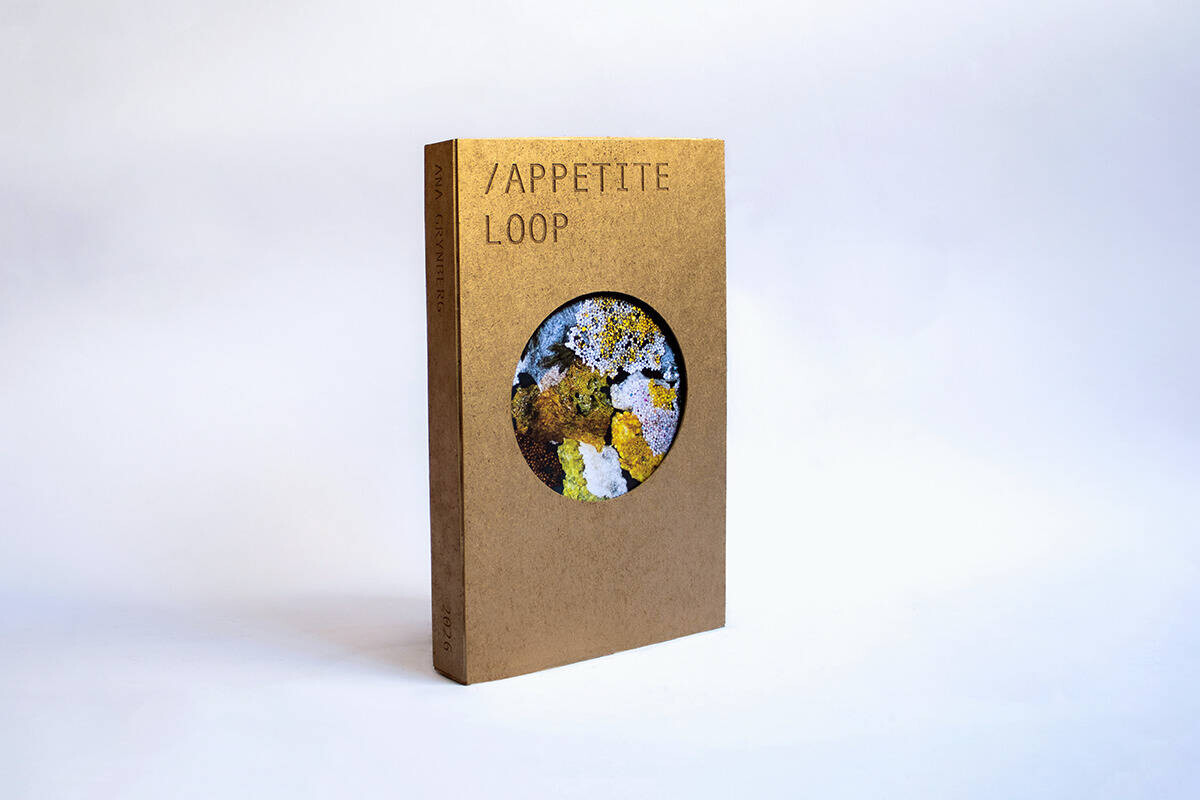
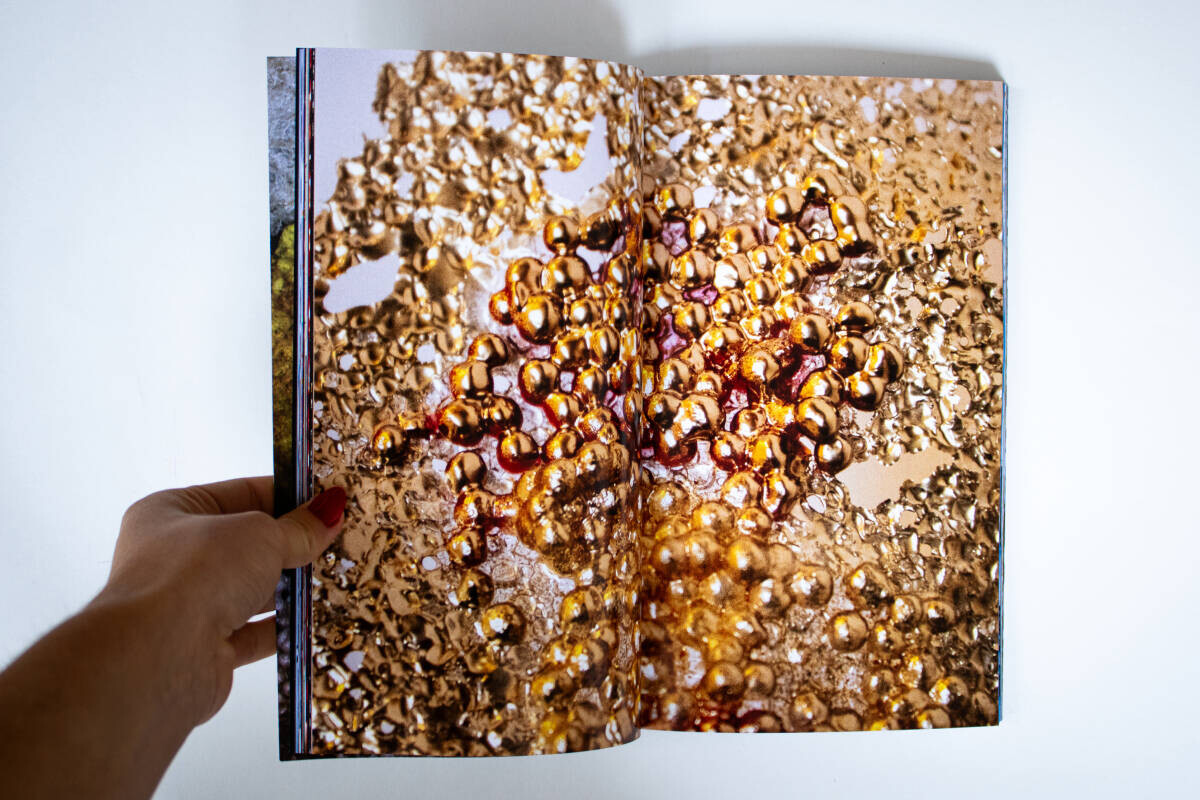
Appetite Loop explores how contemporary culture, shaped by algorithms, overconsumption, and constant stimulation, has transformed appetite into a cycle of desire and performance. In a media environment where food is endlessly scrolled, shared, and aestheticized, we are no longer simply eating; we are curating, documenting, and feeding the loop.
This thesis investigates how digital infrastructures shape what we crave, how we consume, and how we construct meaning around food. Drawing from food studies, behavioral psychology, media culture, and sensory science, Appetite Loop examines how appetite has shifted from a biological signal to a designed condition influenced by platforms, brands, and visual media systems.
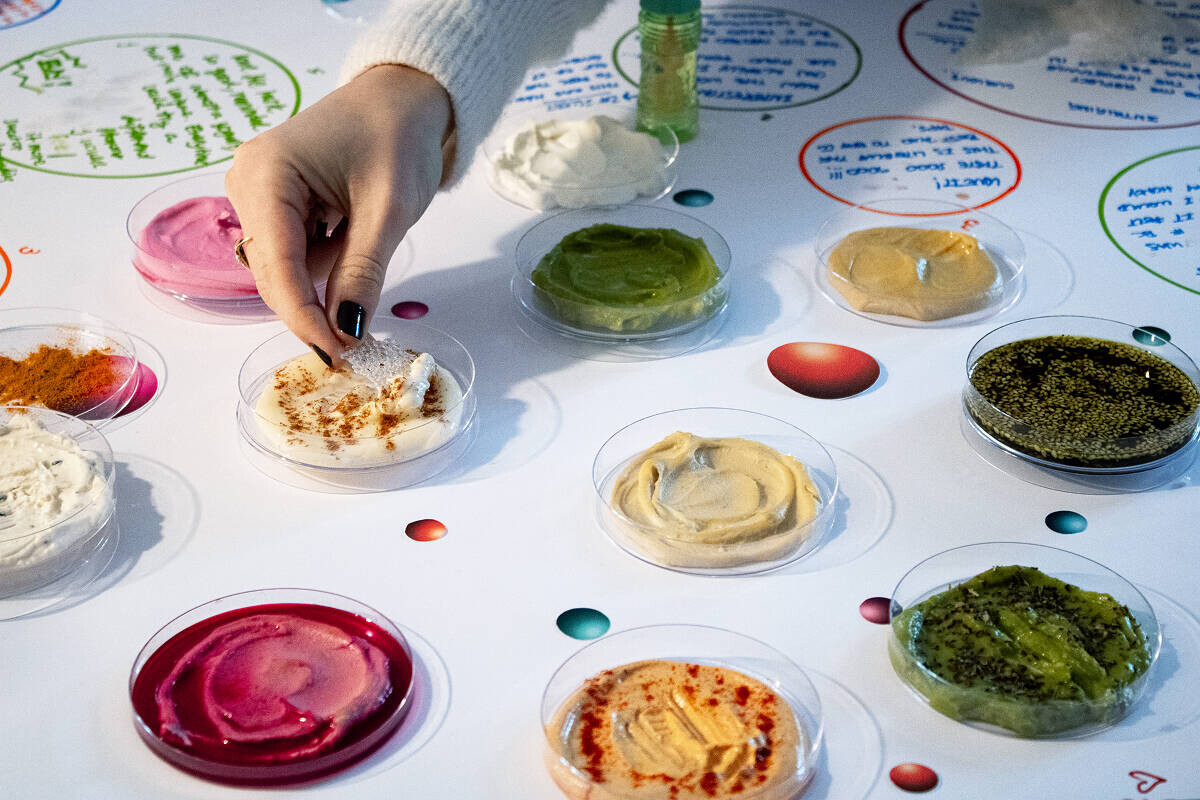
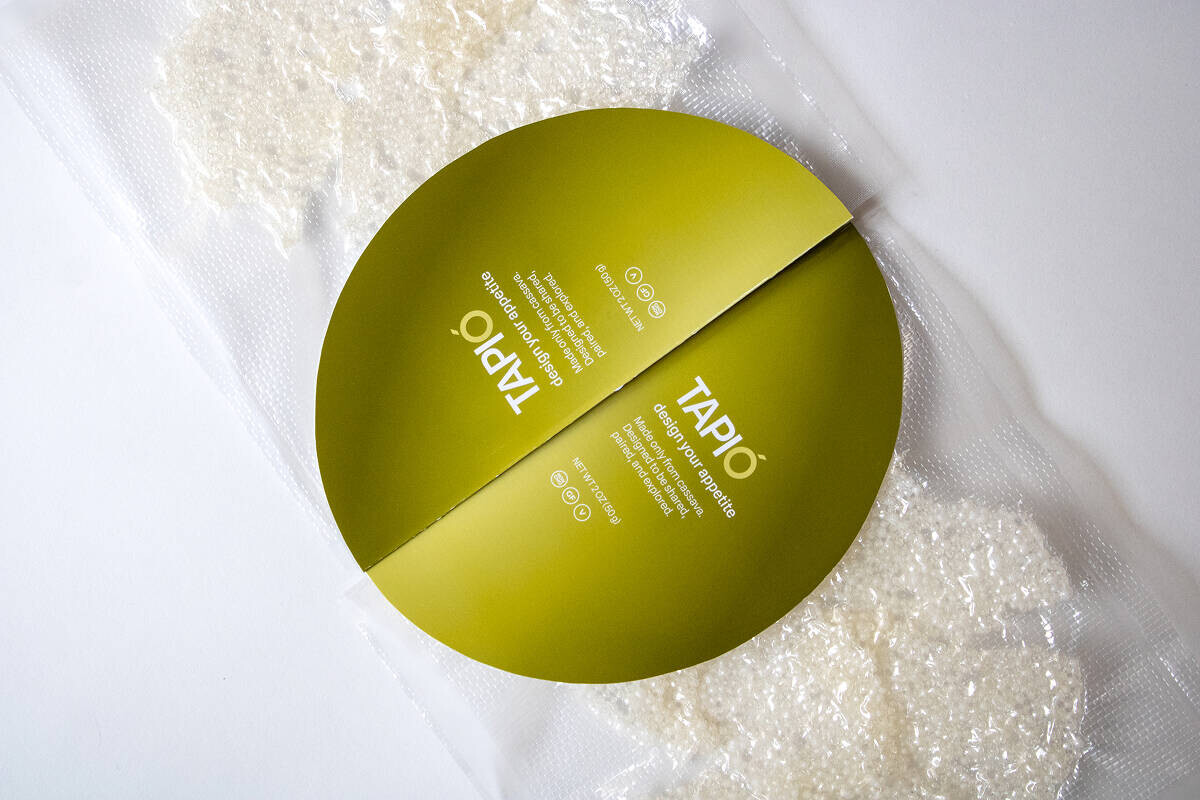
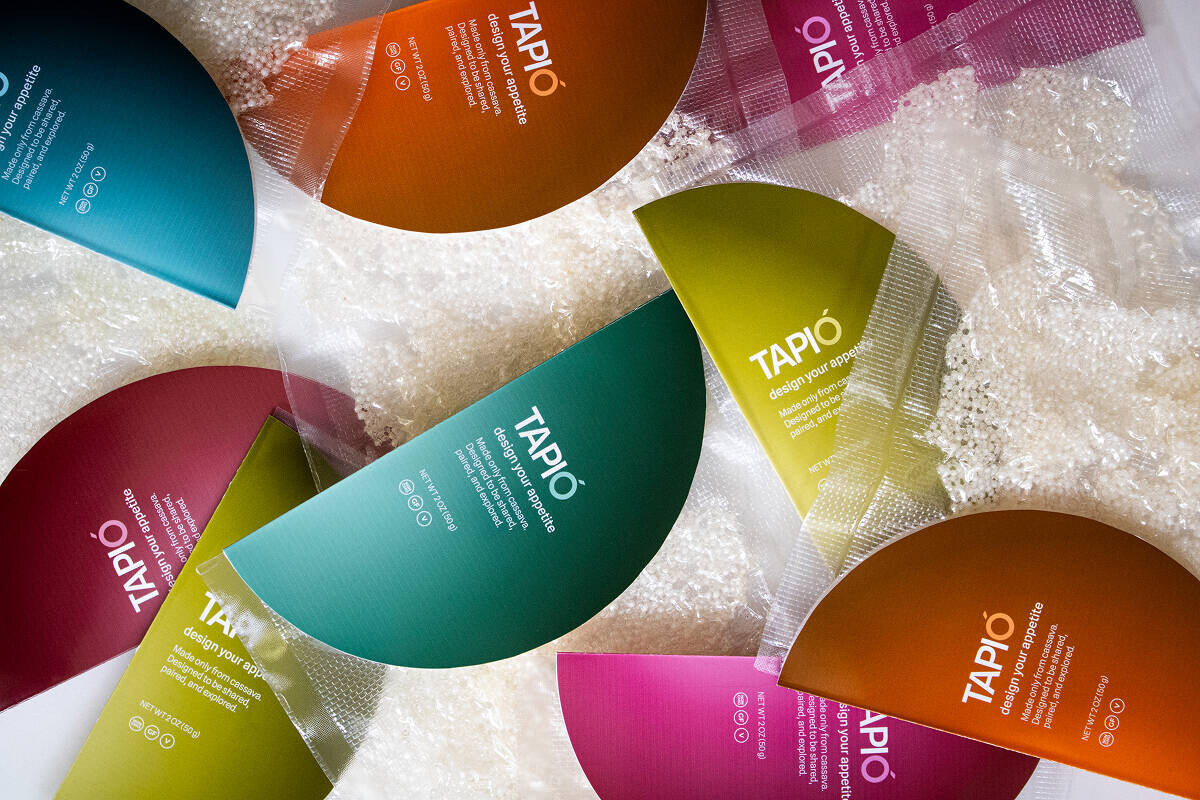
Rather than proposing escape from this cycle, this thesis introduces a designed pause: intentional sensory food experiences that interrupt automatic consumption and restore awareness. This idea is explored through Tapió, a tapioca-based snack developed as a case study investigating how taste can be shaped not only by ingredients but also by context and perception. Through experiential tastings and participatory experiments, Tapió translates this thesis into a tangible experience that invites participants to slow down and reconnect with the act of eating.
Appetite Loop reframes designers not only as visual makers, but as designers of behavior. By positioning appetite as both biological and cultural, the project asks how design can intervene in systems that shape our desires, creating moments of awareness that open the possibility for more intentional and meaningful consumption.