The Endless Pursuit of Otherness
Anoushka Mishra

When my 12-year-old sister insisted on buying luxury body butter, she asked, “If I use this, will I look like the hourglass figure on the packaging?” It left me wondering: Why do beauty standards suggest that becoming someone else is the goal?
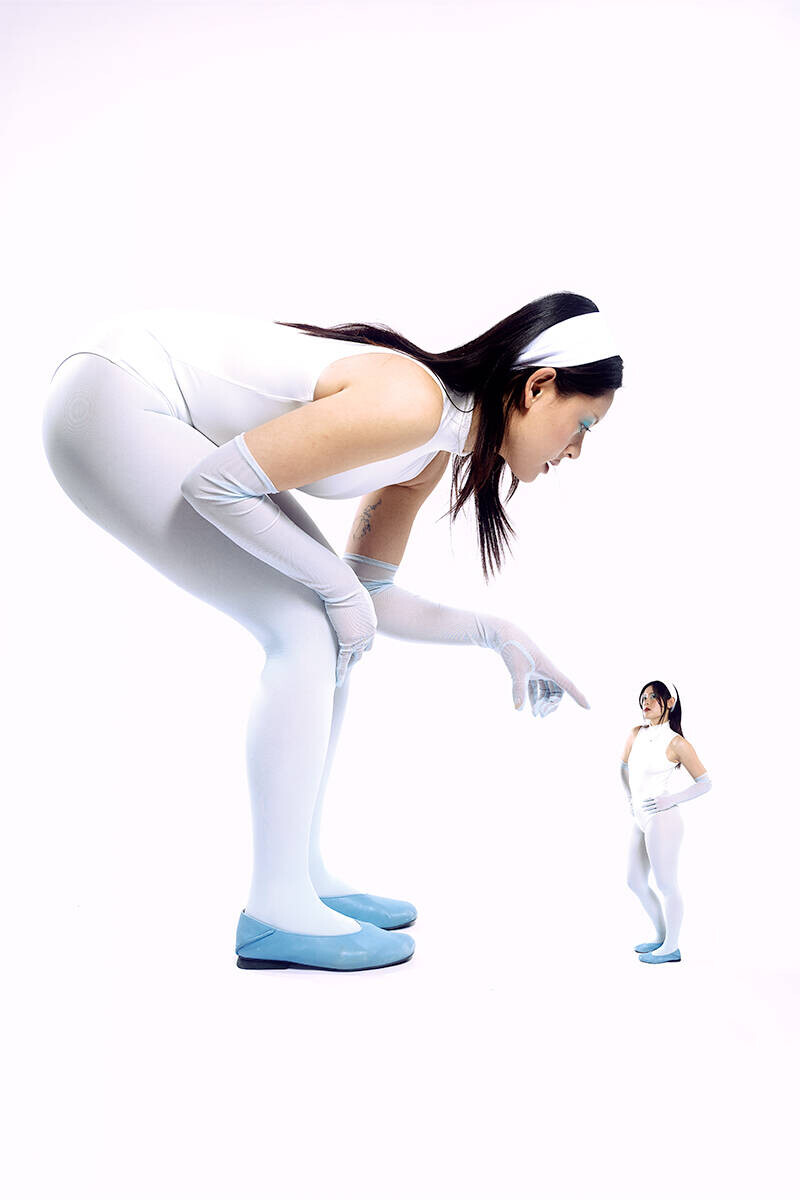
The business of marketing to women depends on manufacturing problems that products promise to fix. This system has produced a shifting image of the “ideal woman.” She is never meant to be attainable because she is always evolving. Images of femininity circulate until they begin referencing themselves. Each iteration builds on the last until the original disappears, forming a simulacrum—a copy of a copy of a copy.
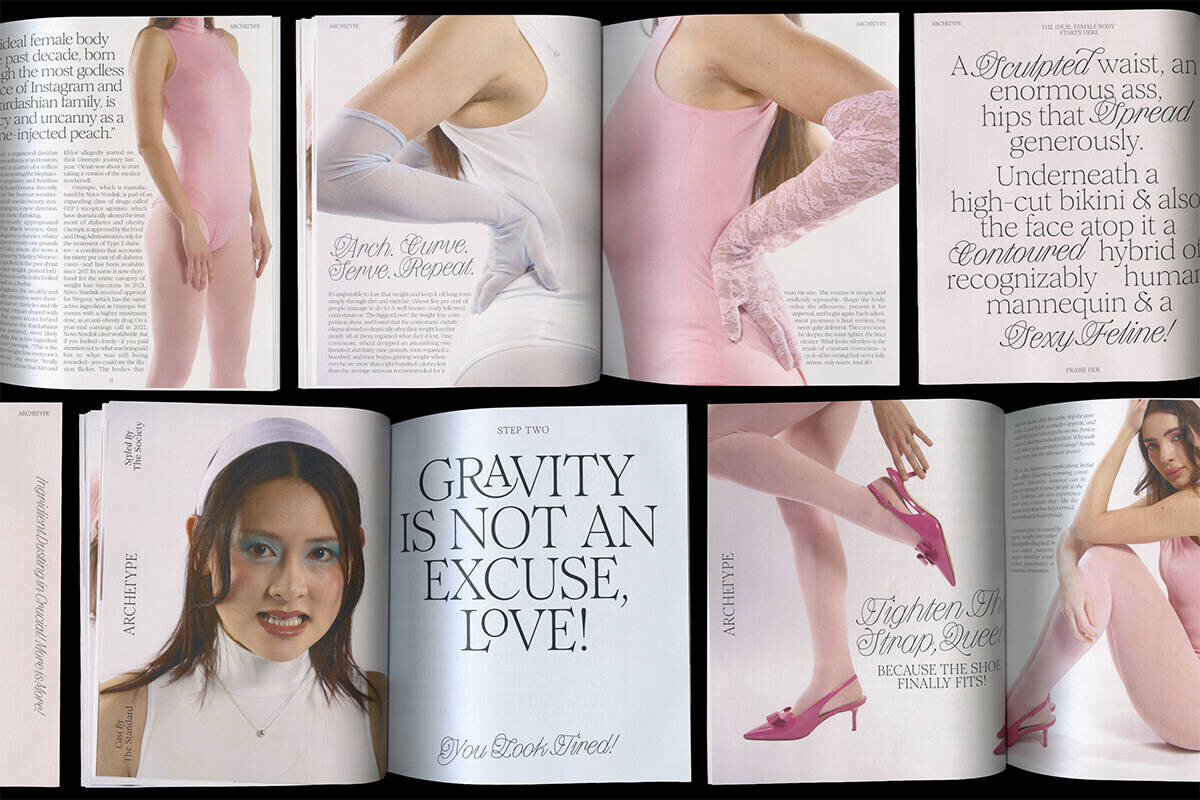
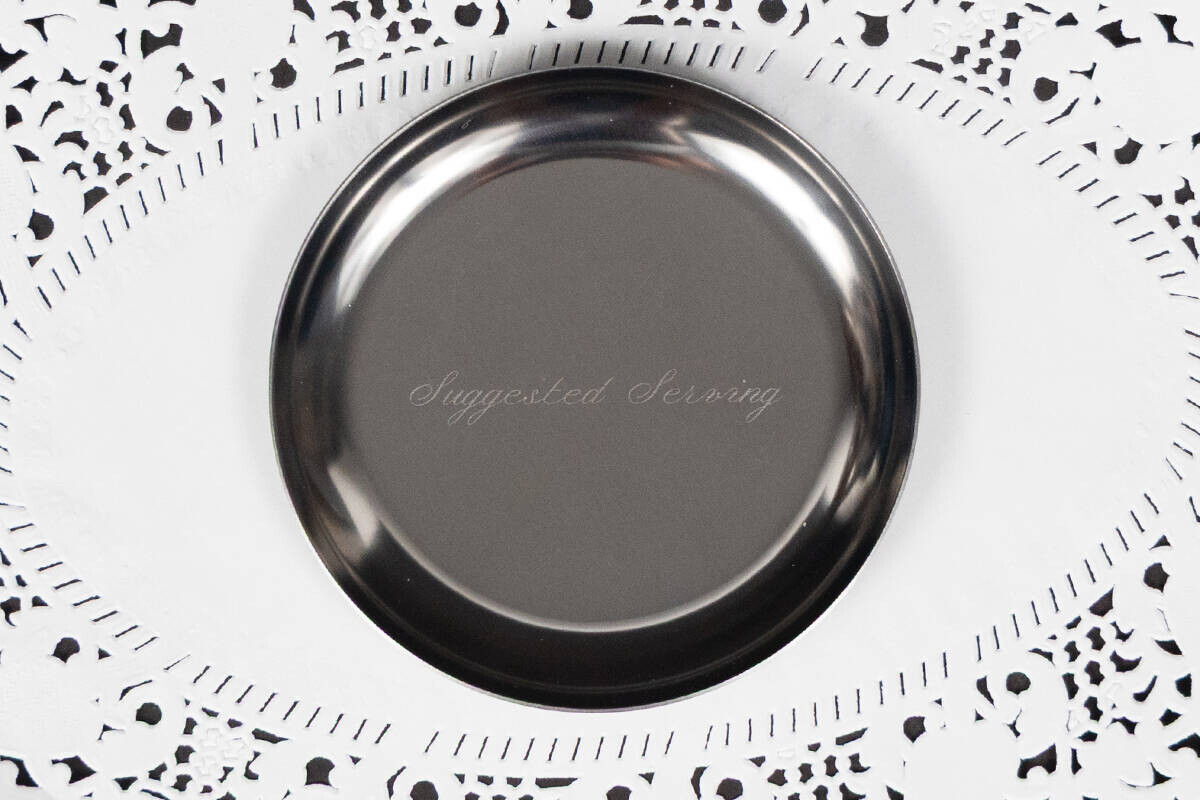
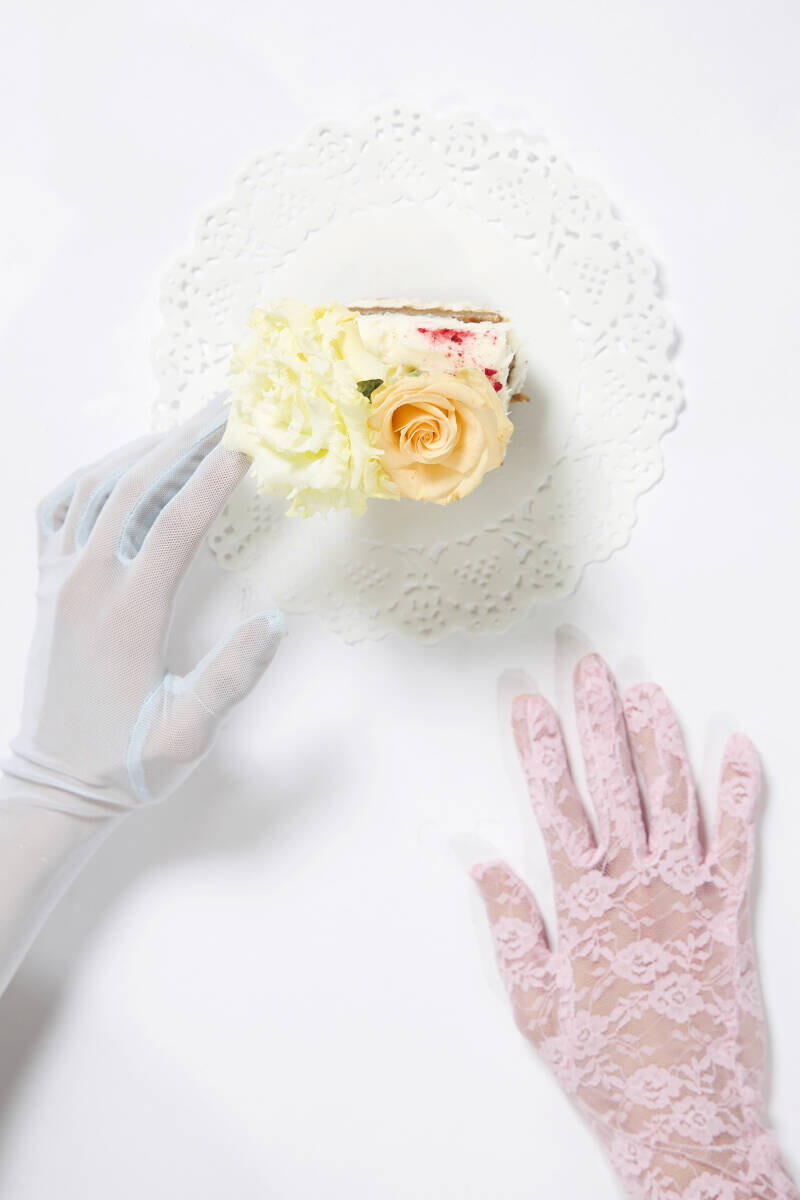
The Endless Pursuit of Otherness examines this cycle through Second Skin, a constructed beauty package combining a prescriptive magazine and satirical products that translate shifting beauty standards into something tangible. But, the instructions come with an expiration date. Like every trend cycle, the ideal disappears, replaced by the next version of perfection.
The project draws from hypersexualized 1970s–80s fitness culture—leotards, sculpted bodies, with the glossy artificiality of contemporary beauty advertising. The layouts reference the visual language of beauty magazines. Positioned between retro aerobics propaganda and a plastic, Barbie-like ideal, the work emphasizes the pressure to conform to one way of looking. The products exaggerate the logic of beauty culture while remaining grounded in reality, reflecting an industry where the cultivation of a “perfect” feminine image functions as a mechanism for selling itself.
Because the ideal woman is never meant to be achieved, only endlessly pursued.