The One
Nio Jin
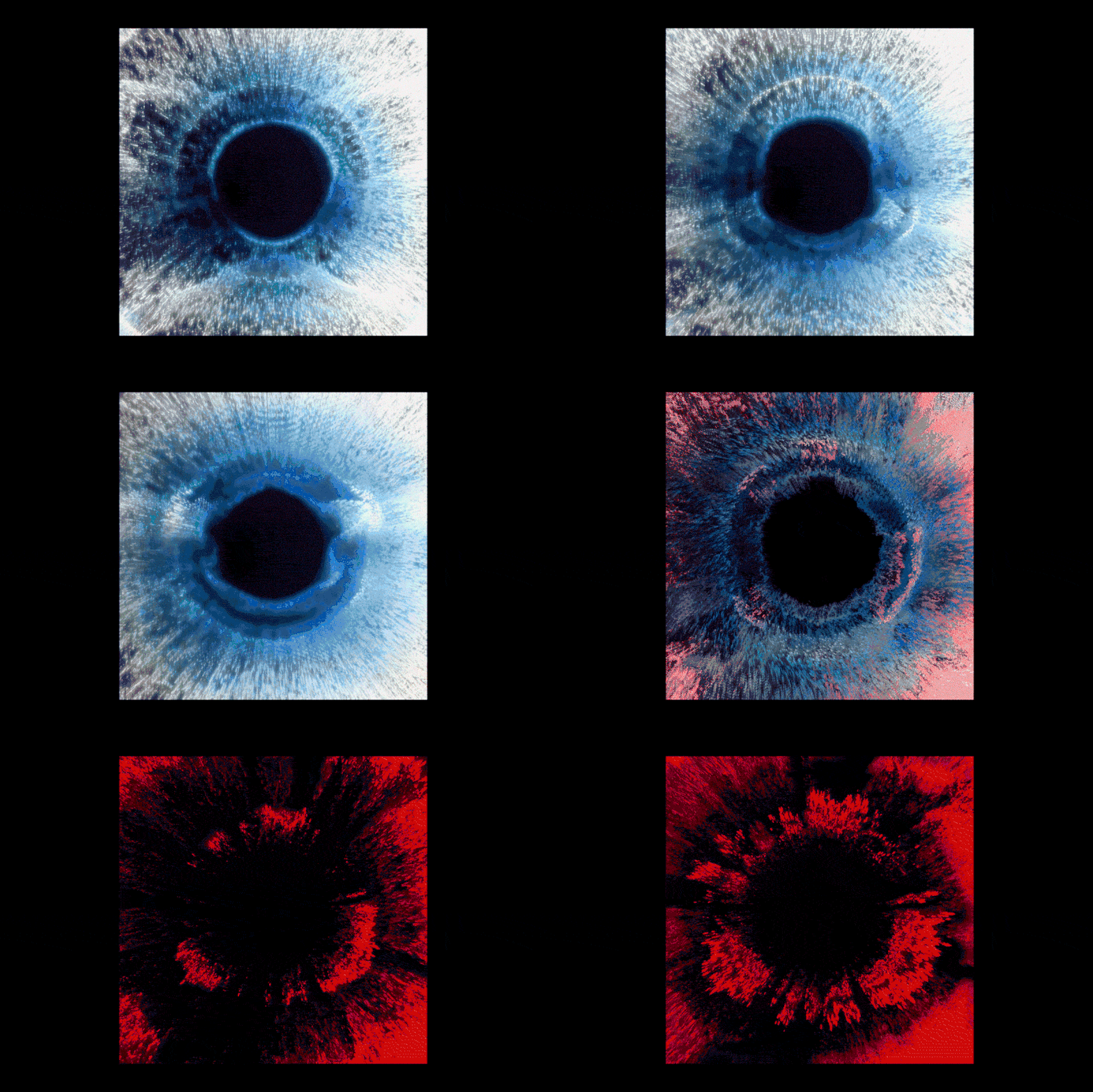
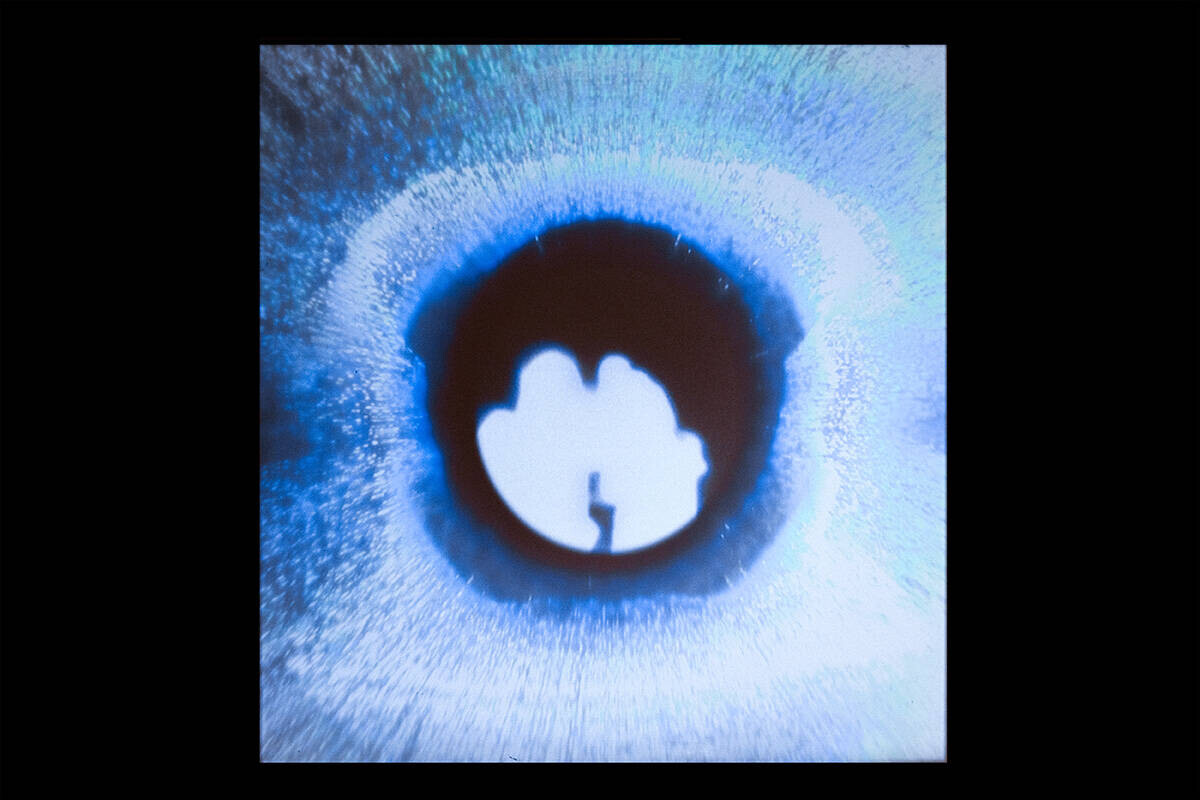
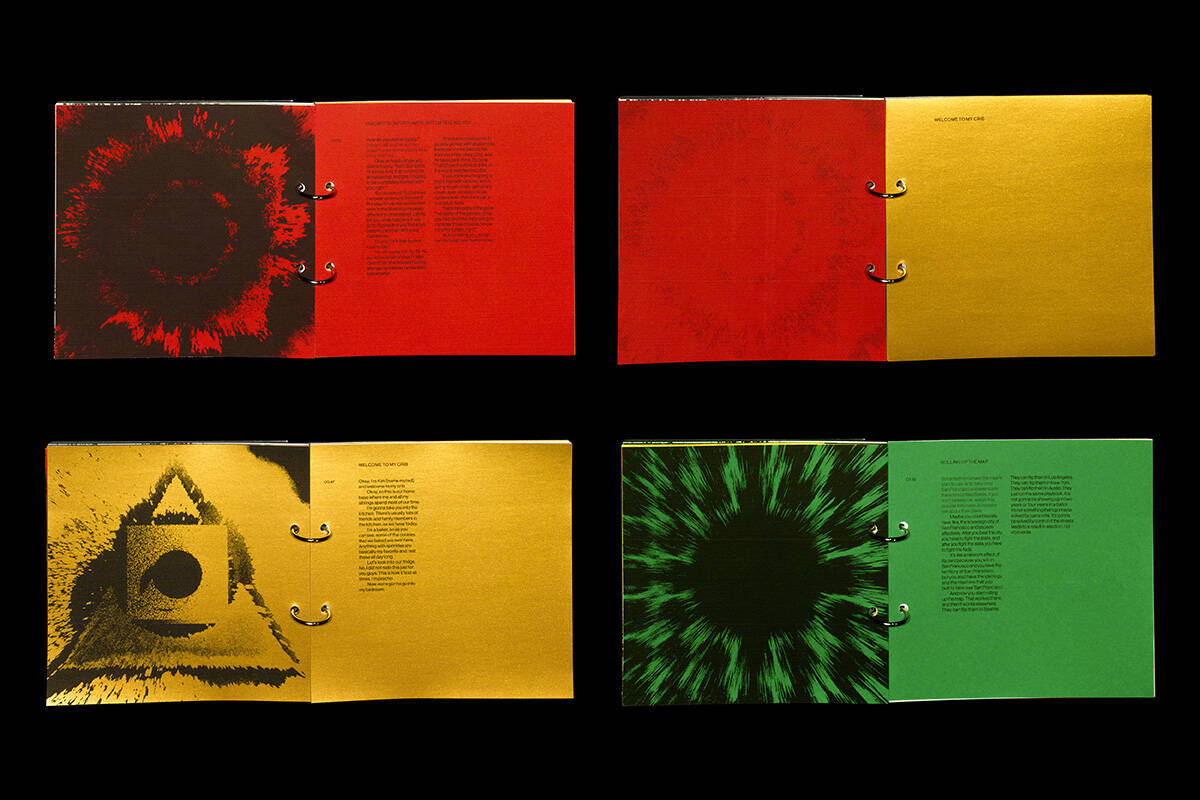
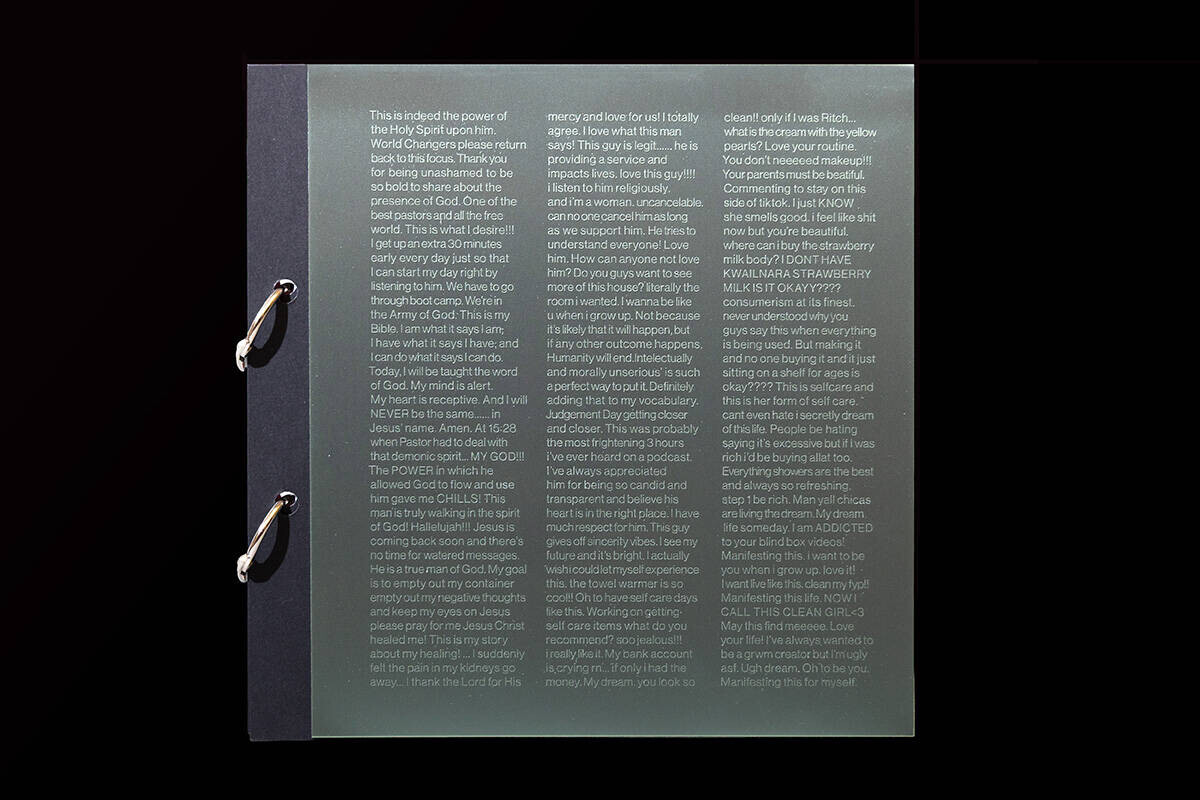
In a time when traditional structures of belief are losing authority, the human search for meaning does not disappear. It relocates. Figures, lifestyles, ideologies, and consumer cultures increasingly take on the role of symbolic centers—offering simplified answers to complex realities. The One examines how contemporary society continuously constructs such centers of belief, projecting hopes, fears, and identities onto objects that promise certainty in an unstable world.
As G.K. Chesterton wrote, “When men choose not to believe in God, they do not thereafter believe in nothing; they then become capable of believing in anything.” In what Bauman calls a state of “liquid modernity,” this doesn’t mark a loss of faith so much as a shift in how it takes shape: belief becomes decentralized, more personal, and constantly negotiated across different media.
In this context, authority is no longer rooted in tradition but shaped by constant exposure, largely through the internet and social media. Figures across different spheres—televangelists, influencers, and lifestyle creators—act as nodes within an attention economy where credibility comes from visibility rather than verification. Belief shifts accordingly: it is less a stable conviction than something performed and reinforced over time. It forms through repetition—comments, affirmations, shared phrases—where lines like “this changed my life” or “I want to be like you” express not judgment but identification, sometimes edging into devotion. What emerges is a kind of networked belief, held together by visibility and strengthened through collective participation. This project is an attempt to trace and re-stage these processes of belief formation.