Still Design
Damla Ozturk
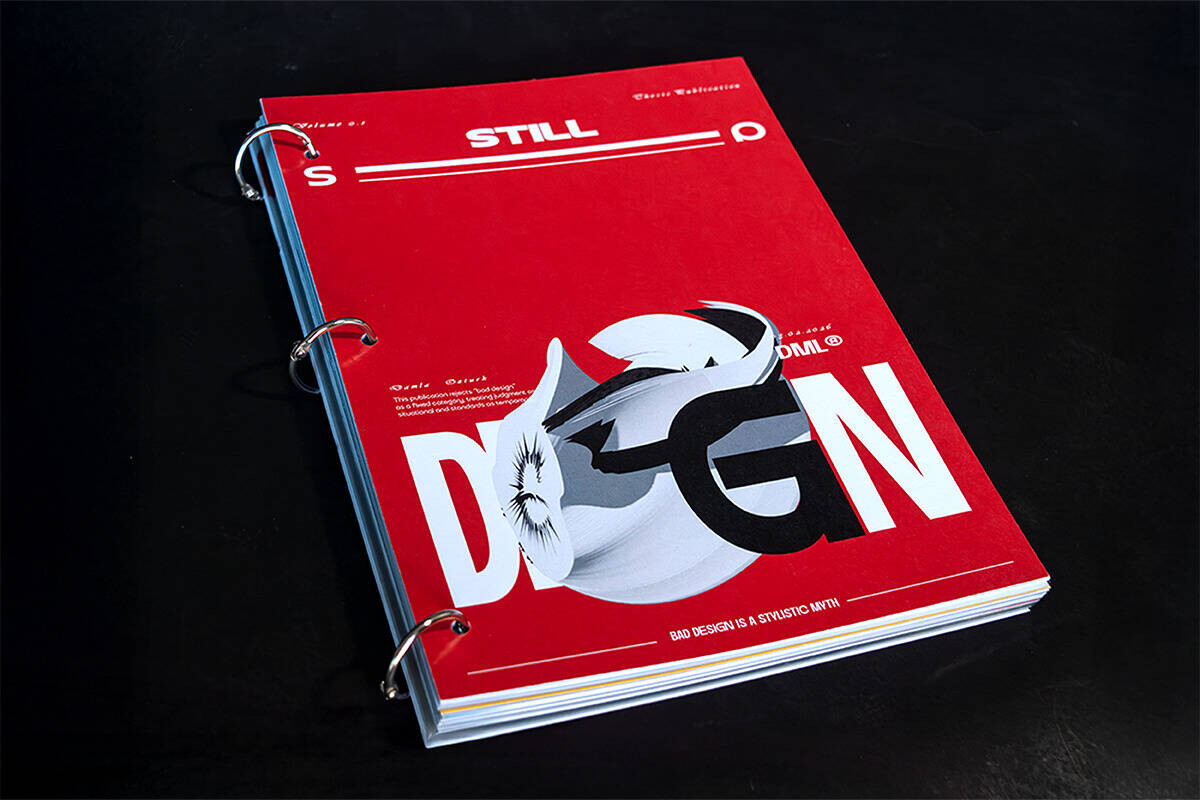
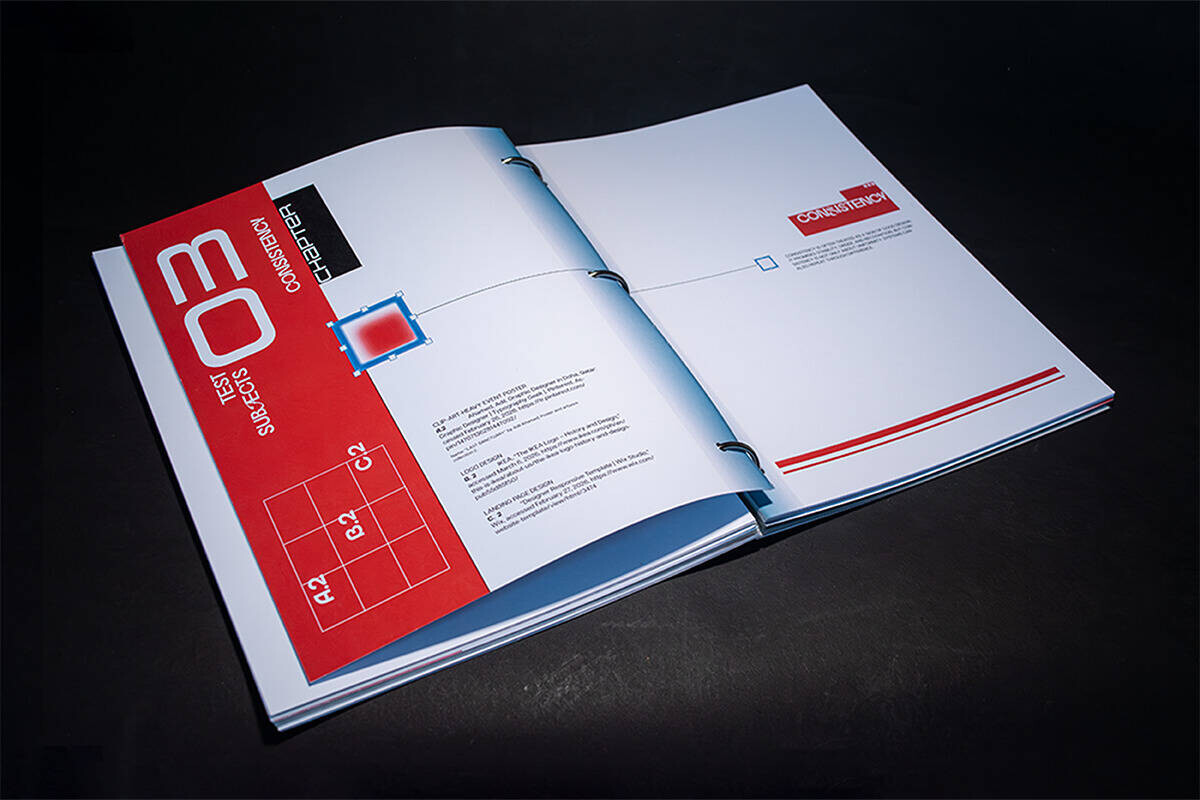
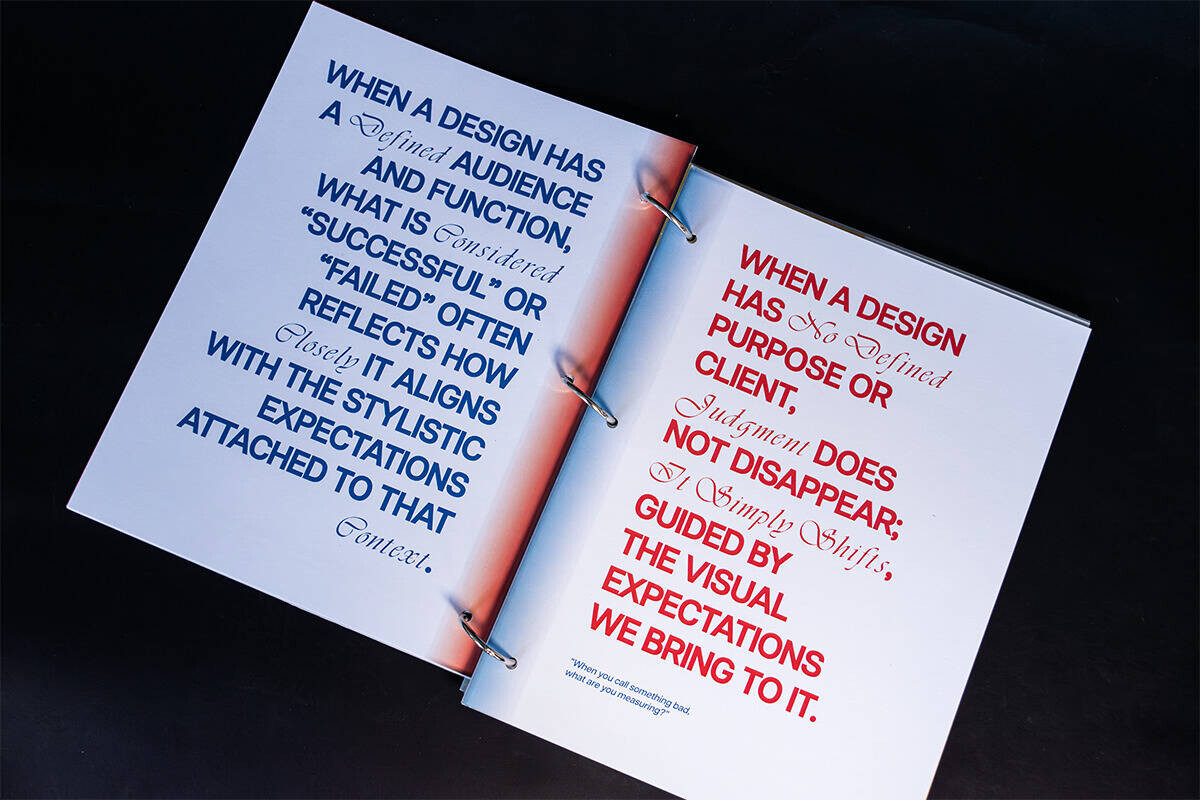
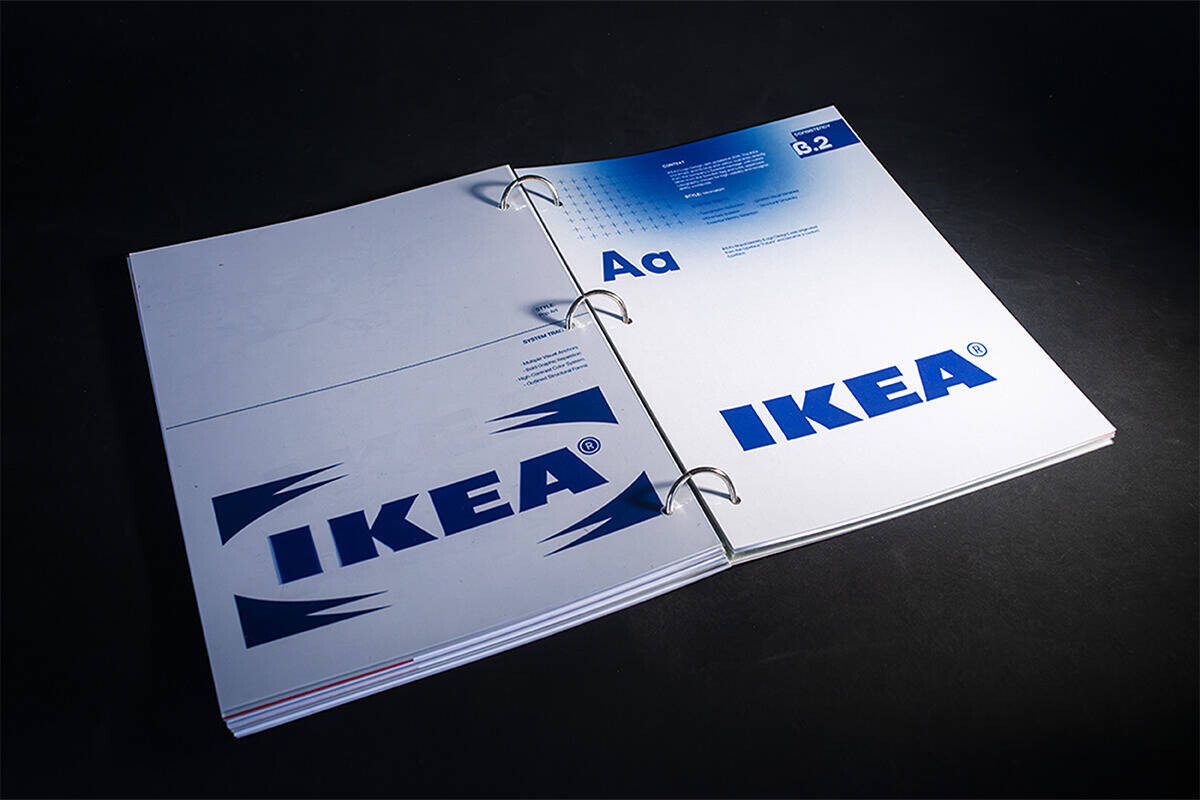
Still Design is a critical design publication that examines how judgments of “good” and “bad” design are produced, not as inherent qualities of an object, but as outcomes of specific systems of evaluation. Shaped by institutional conventions and platform-driven metrics, contemporary design culture rewards clarity, consistency, and readability, while positioning other stylistic approaches as incorrect or unprofessional. This publication challenges those assumptions.
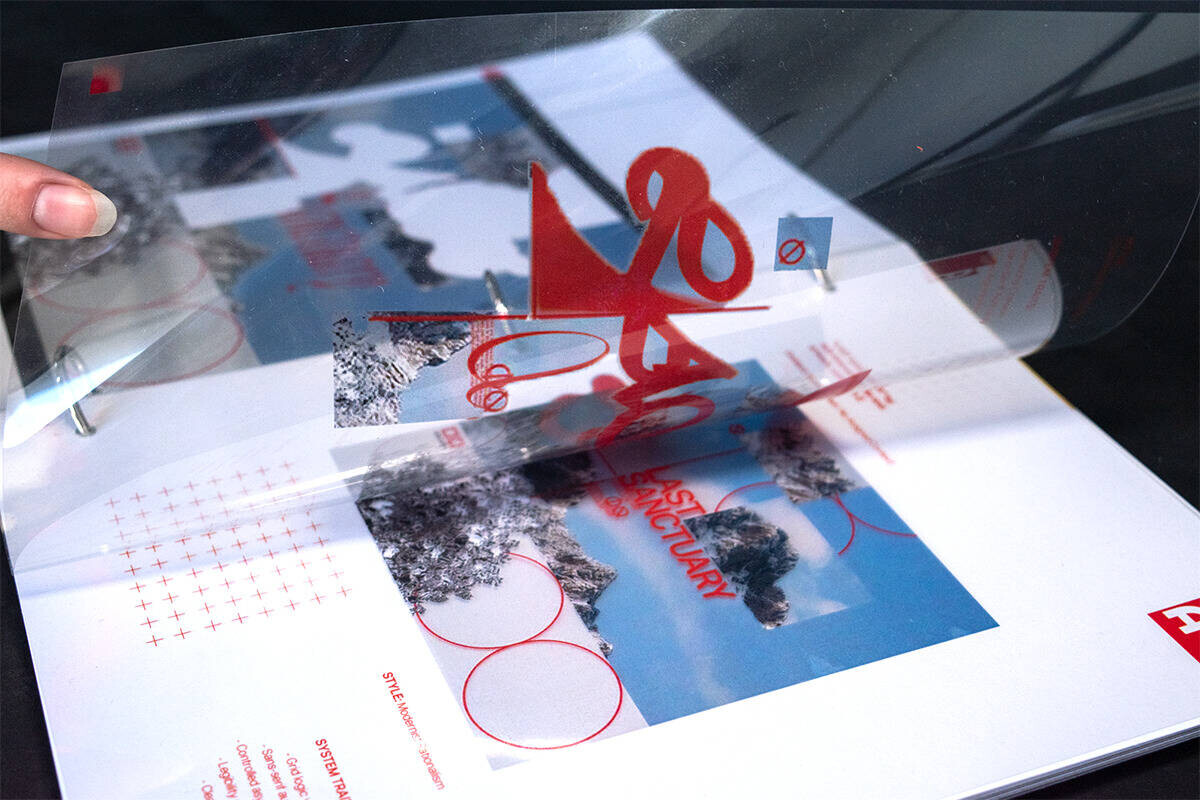
Rather than evaluating design as successful or failed, Still Design operates as a controlled visual experiment. The same content is repeated throughout the book, unchanged in image, wording, and structure, while only the stylistic system shifts. By isolating style as the single variable, the publication reveals how judgment is constructed through context, familiarity, and expectation, rather than through any fixed visual standard.
The structure of the book reinforces this logic. In the first half, each spread presents two versions of the same content: one aligned with dominant contemporary standards, legible, ordered, and balanced, and the other reorganized through a more disruptive visual language. Without any explicit labeling, this arrangement positions the reader to assume a hierarchy of “good” and “bad.” Midway through the publication, this structure is reversed, exposing that perceived quality lies in the system framing it.
Still Design emerges from tensions within design education, where rigid definitions of correctness often appear fixed and unquestionable. The publication uses staged visual comparisons to reveal how these judgments are formed. Ultimately, it reframes “bad design” not as visual failure, but as a verdict produced by a particular framework of judgment.