A History of Graphic Design
Emily Budiman
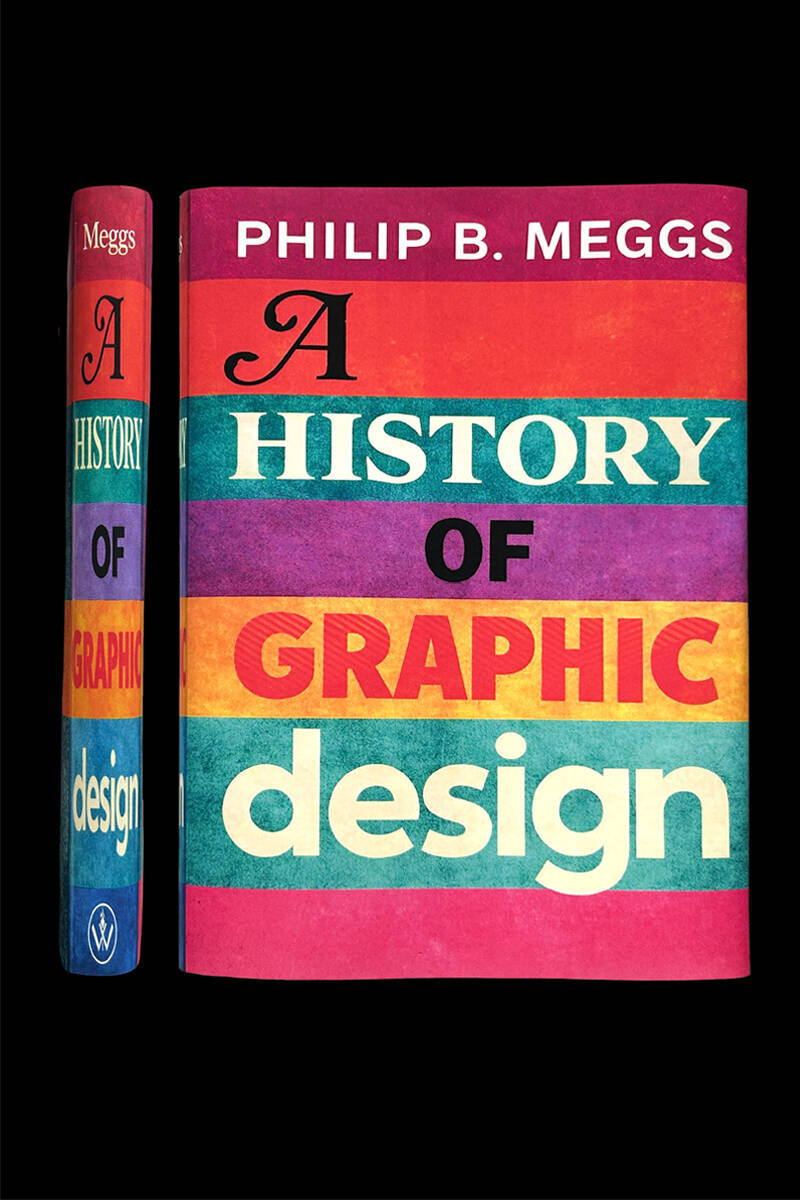
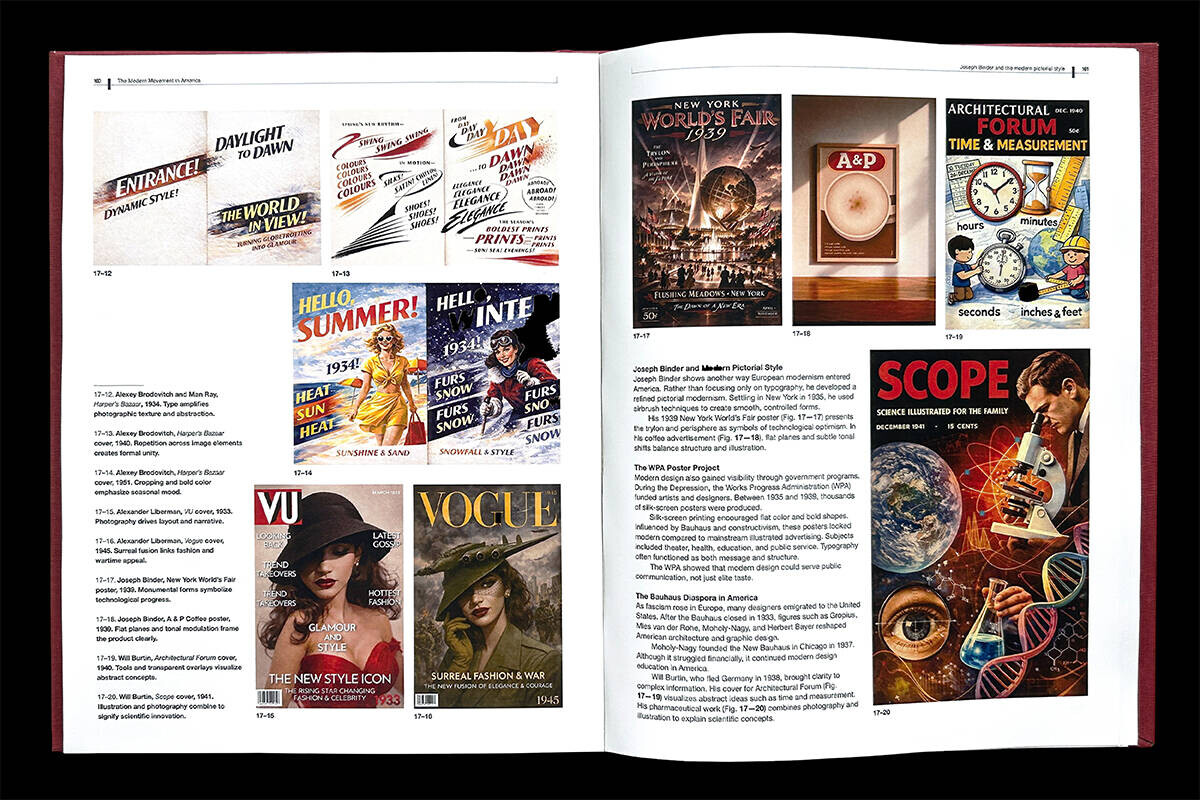
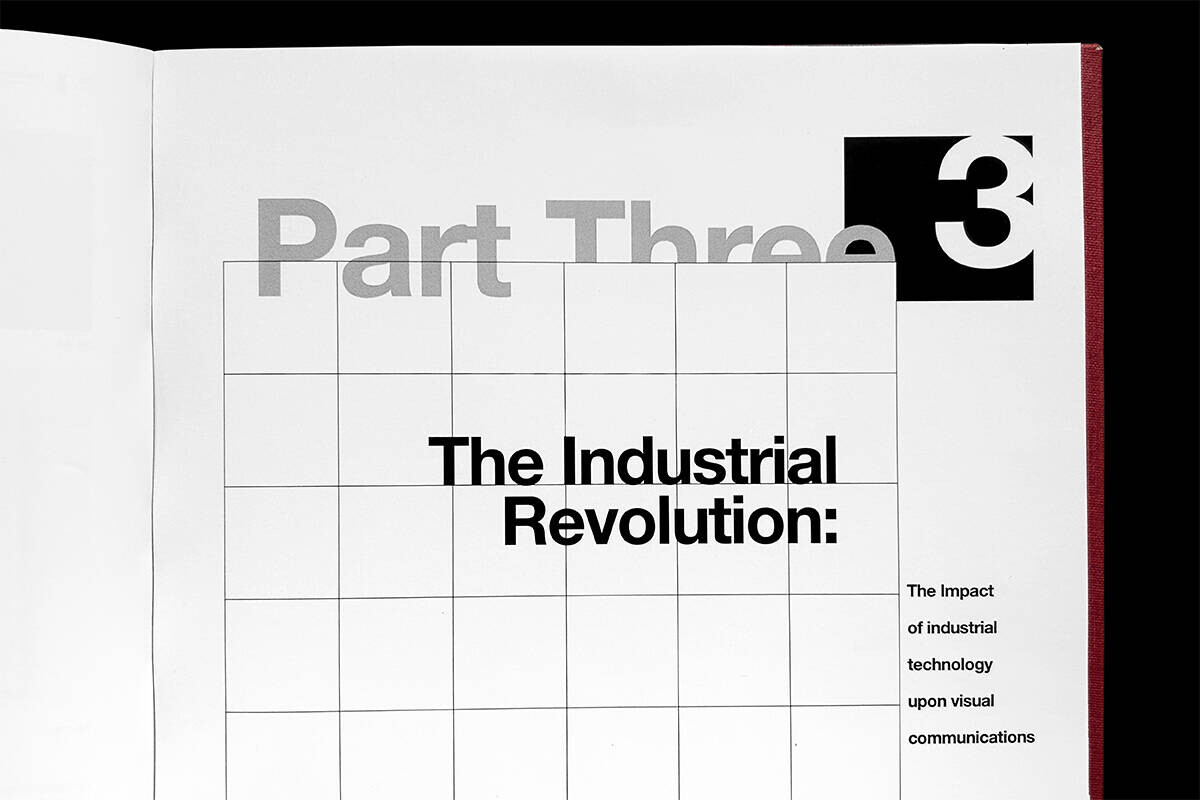
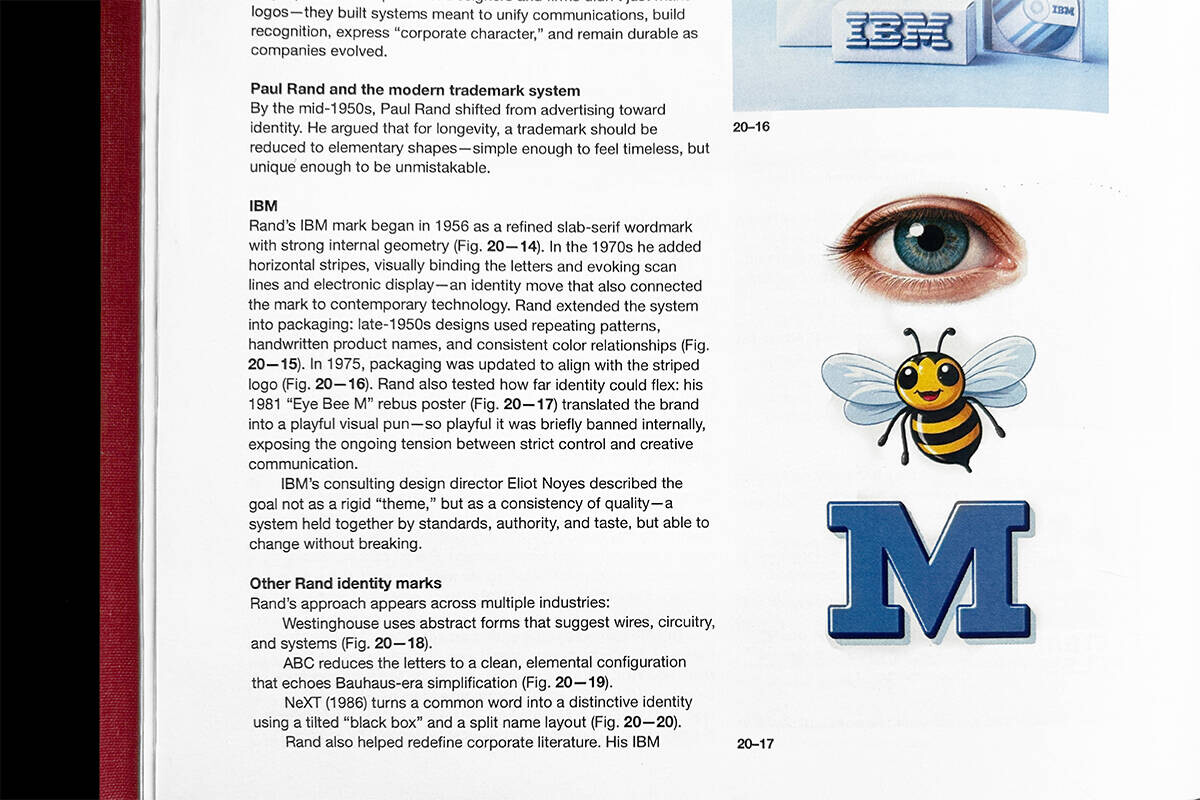
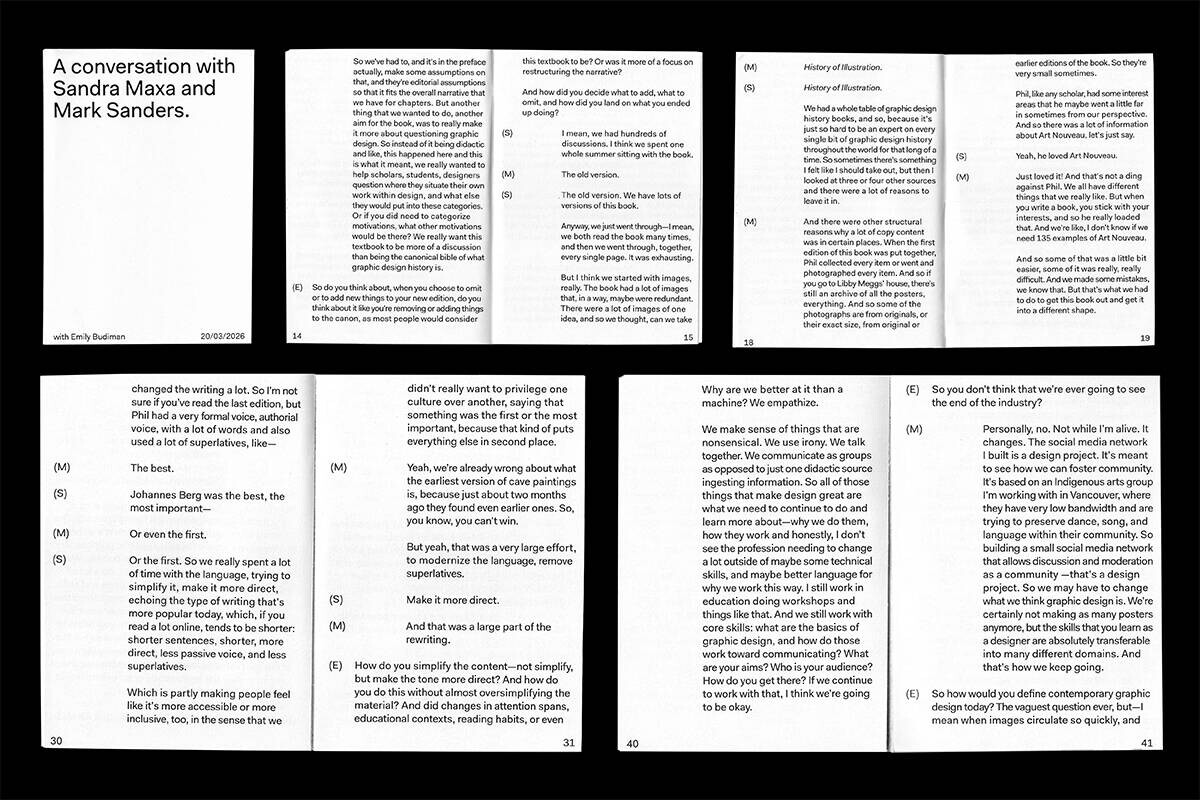
Artificial intelligence enters the graphic design field not as a rupture, but as a continuation of long-standing ambitions: to clarify, organize, and disseminate knowledge. Grounded in Philip B. Meggs' History of Graphic Design, this work uses the canonical text as both subject and framework, looking at how its narratives shift under conditions of automation. Today, AI is widely adopted as a tool for generating images, summarizing texts, and accelerating workflows, responding to a broader cultural demand for speed, accessibility, and continuous output. As a result, learning itself is increasingly shaped by optimization. Ideas are condensed into key points, histories into digestible sequences. This project asks how far optimization can extend before it becomes reductive. At what point does clarity erase nuance?
AI systems trained on vast archives of existing material, recycling and recombining prior images and texts, produces a condition where outputs are derived not from direct engagement with subjects, but from layers of mediation. Meaning risks becoming detached from origin, circulating instead as a series of approximations. This work examines how design history is constructed, compressed, and reinterpreted in an age of automated understanding.