Portraits to Pixels
Hong Bao Ngoc Vu
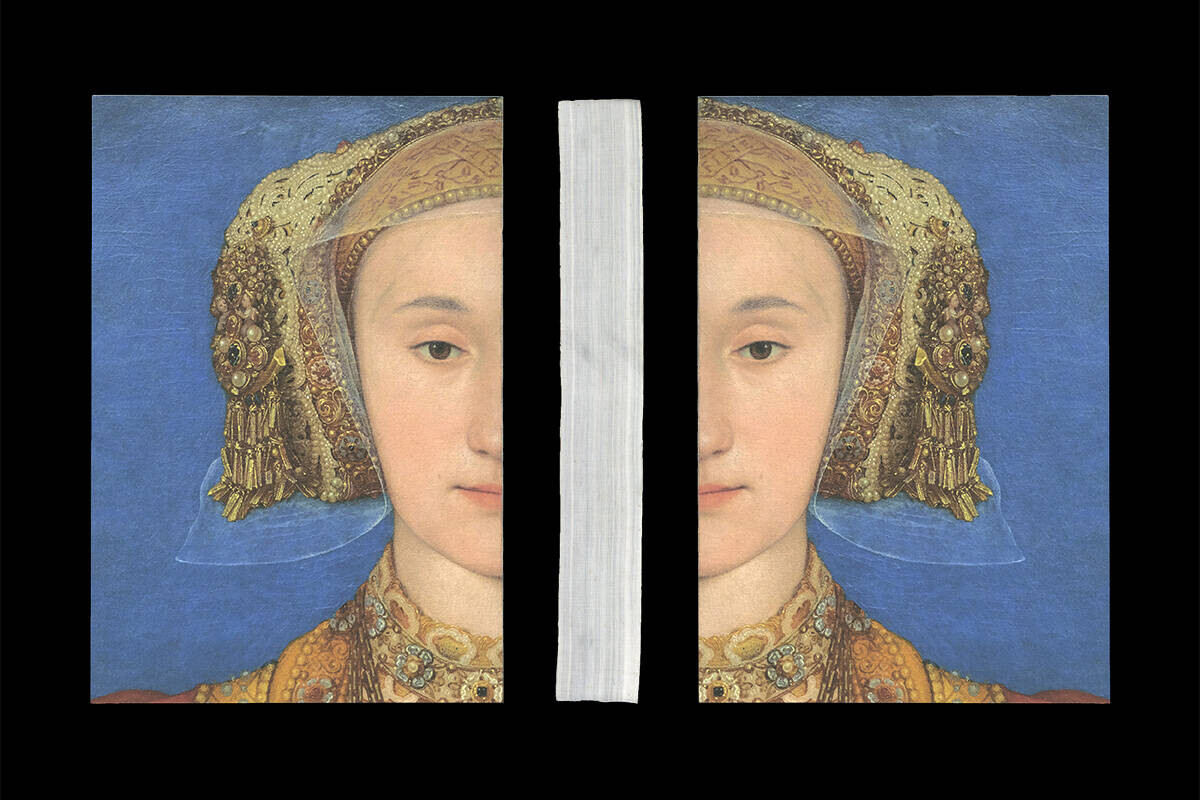
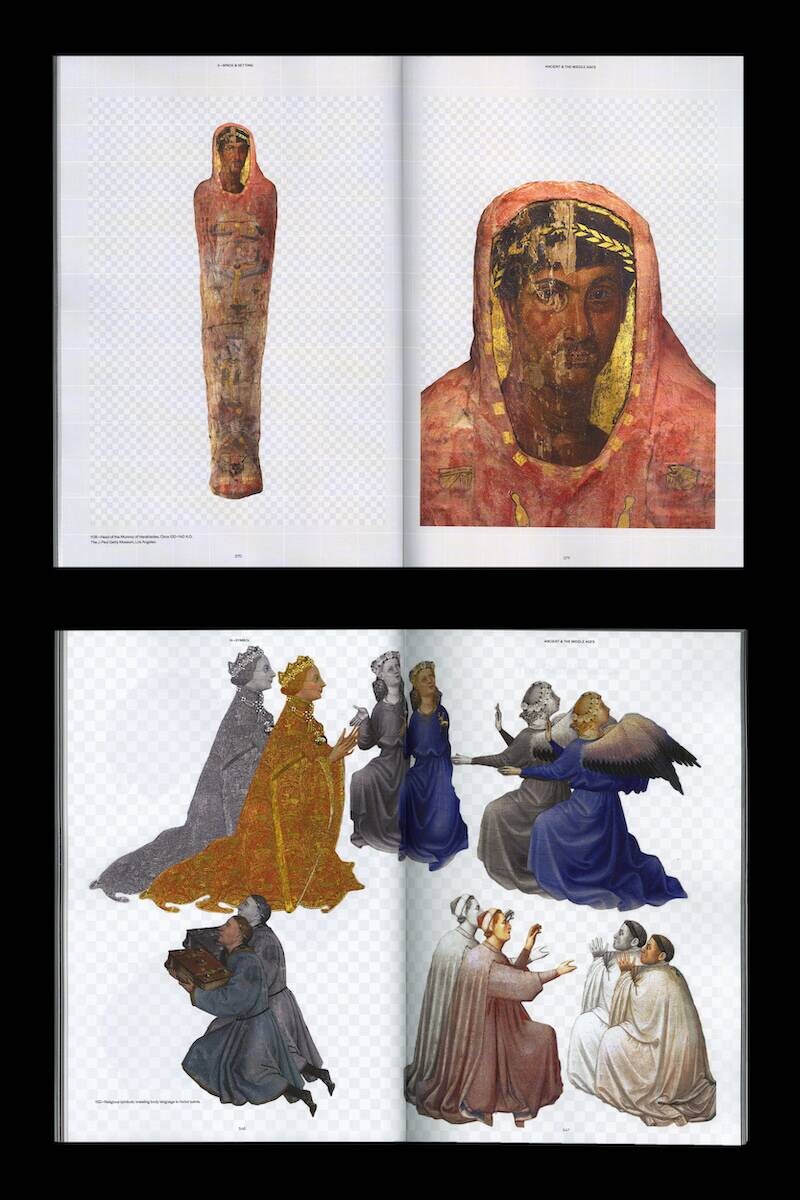
Before the screen, before the camera, before the mirror, there was the painted face, frozen in deliberate stillness, constructed to last centuries. Portraiture was never simply likeness. It was architecture—a carefully built system designed to communicate status, morality, and the interior life of its subject.
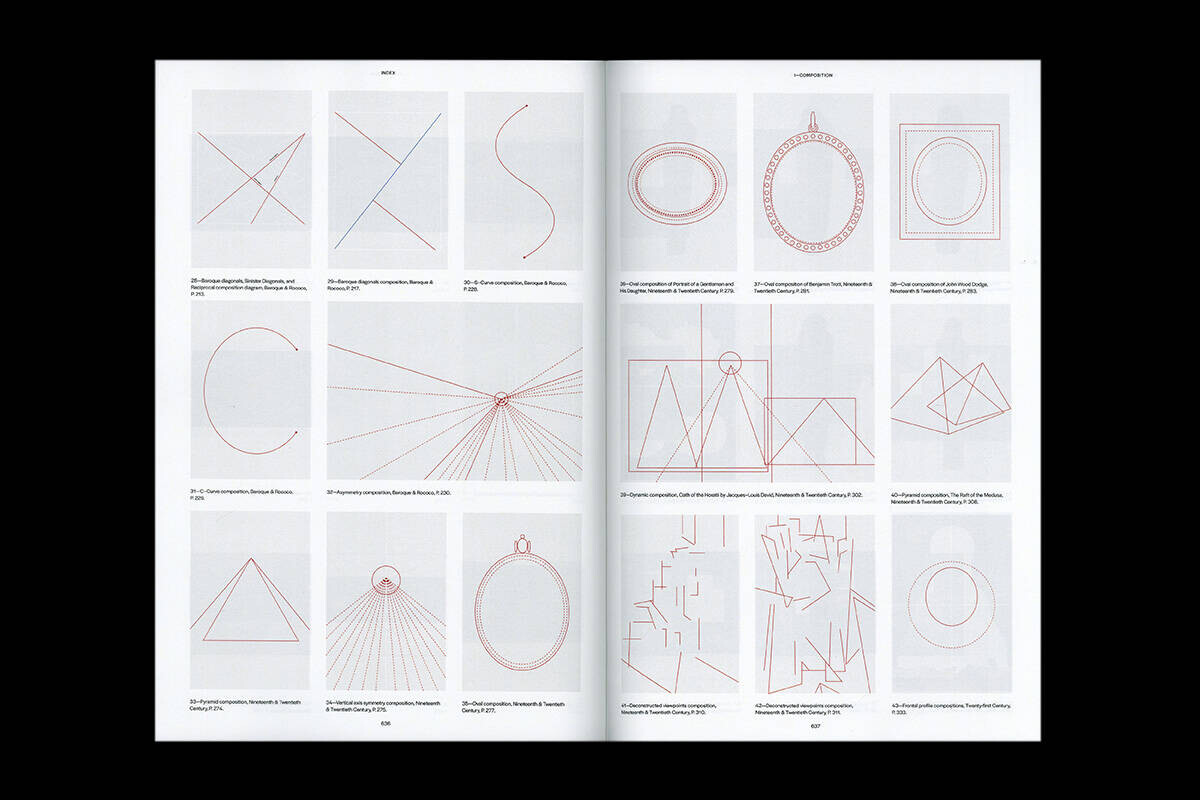
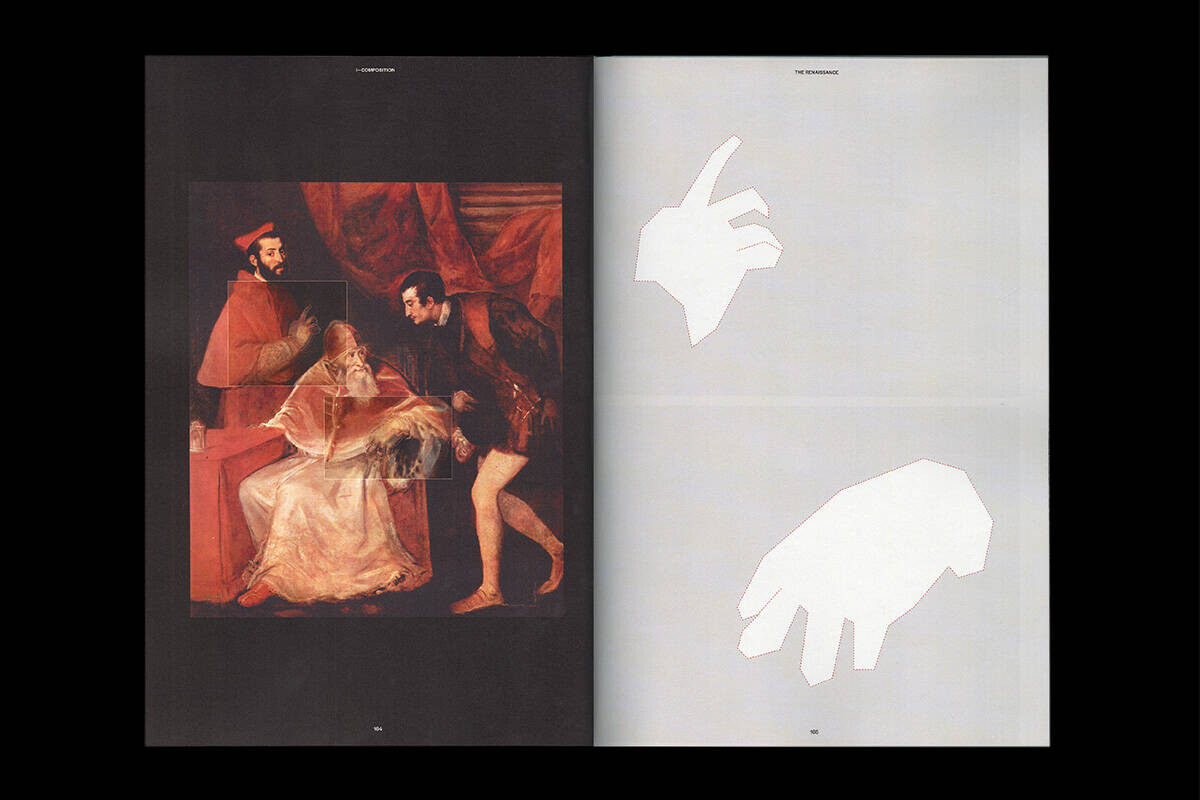
But beneath every portrait lies an invisible structure: a grammar of decisions about how the body is positioned, what fills the background, which objects are placed, and what symbols were embedded that quietly dictate how a subject is read. A pearl earring. A globe on a shelf. An open book left unread. Nothing, in a portrait, is without meaning.
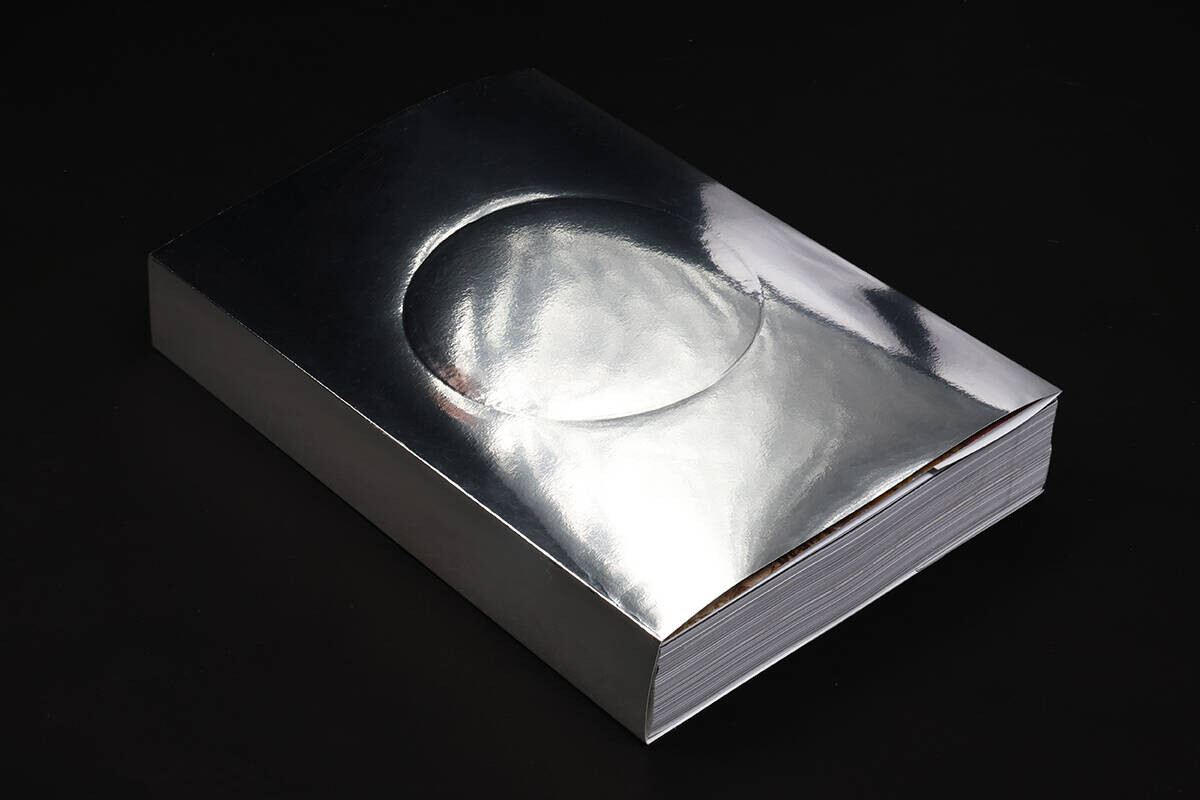
Portraits to Pixels makes that language visible. Covering six periods: Ancient and the Middle Ages, Renaissance, Baroque and Rococo, the 19th and 20th centuries, and the Present, the publication dissects portraiture through layers of composition, space and setting, and symbolism to reveal the hidden frameworks through which power, identity, and selfhood have always been constructed.
Today, traditional portraiture is being replaced by avatars and screen-based identities. In an era where the self is endlessly published but rarely examined, identity has never felt more constructed or more fragile. Emotions are reduced behind filters, and complexity is optimized for visibility. Portraits to Pixels traces this transformation across centuries: not to mourn what has been lost but to understand the invisible structures that have always shaped how we are seen.