9 to 9
Séa Tanaka
Is design less valuable because it is silent, or do we simply tend to equate success with visibility?
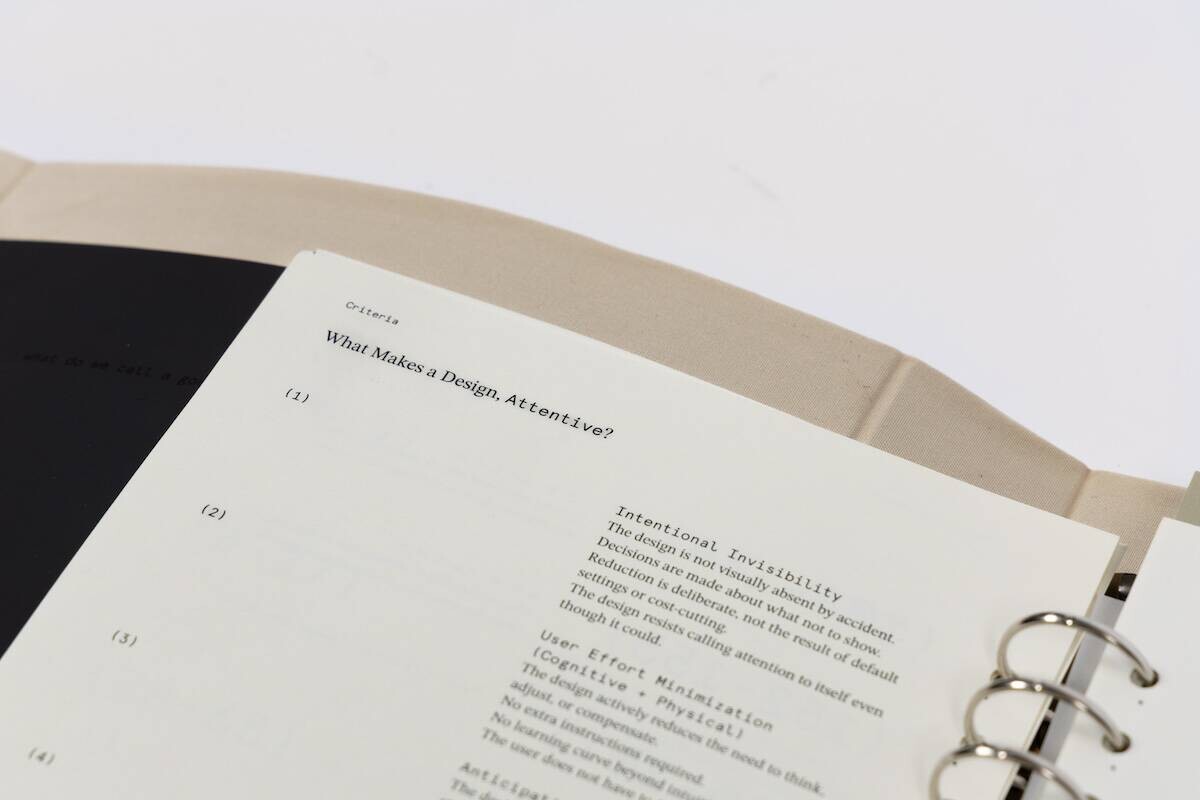
This project questions a common assumption in contemporary design: Good Design must be noticeable, expressive, or visibly innovative. It asks whether a design that operates quietly without calling attention to itself can be equally, or even more, significant. Drawing on the Japanese concept of kizukai, the project frames attentiveness as a cross-cultural design ethic grounded in empathy, restraint, and timing. It asks how we perceive or value design that becomes invisible through its effectiveness.
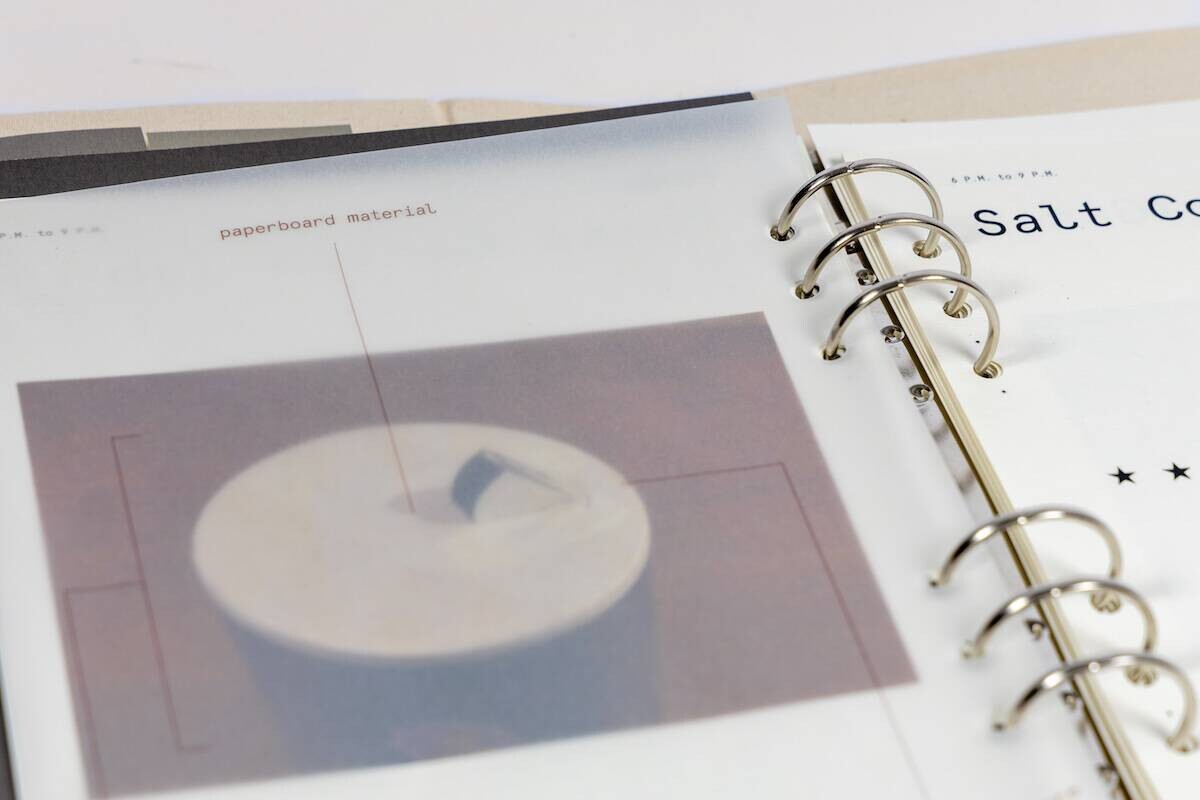
Examining everyday life from 9:00 a.m. to 9:00 p.m., this project studies subtle design gestures that shape daily movements and choices. Instead of focusing on overt convenience or exaggerated features, it looks to quiet solutions, micro-adjustments, and unobtrusive affordances that often go unnoticed because they work so seamlessly.
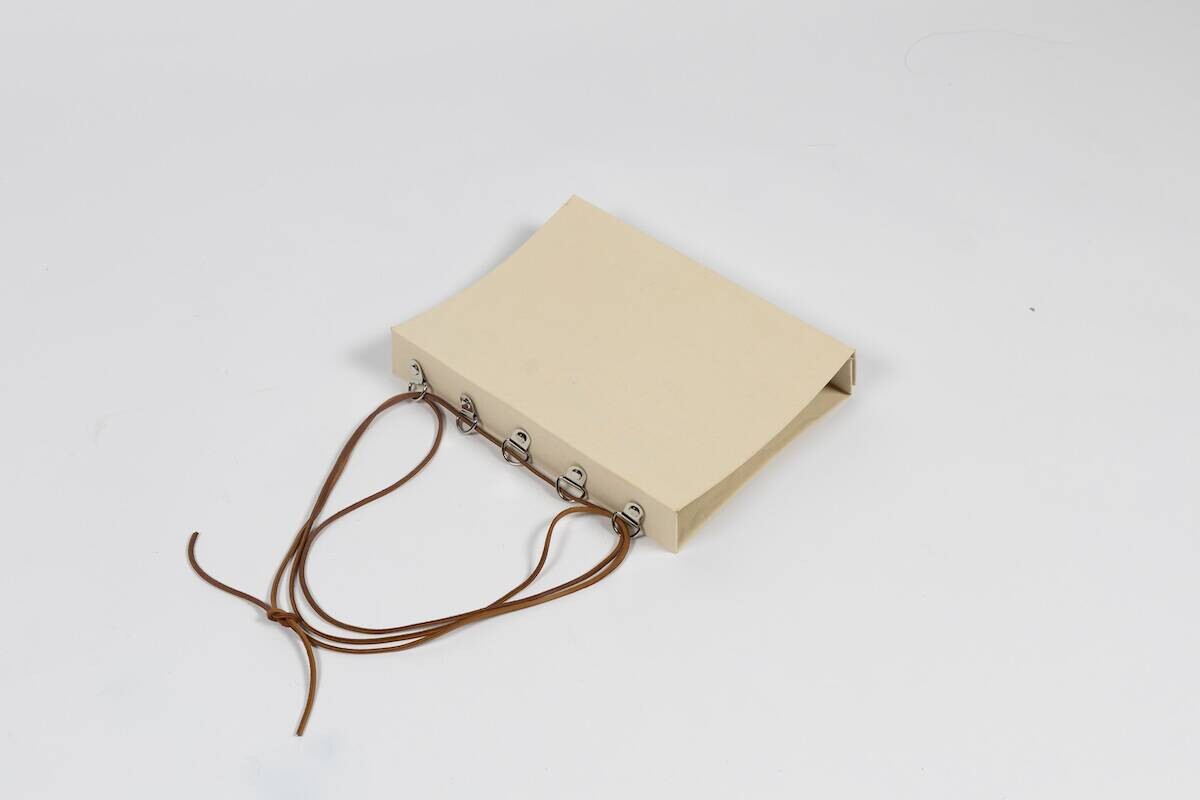
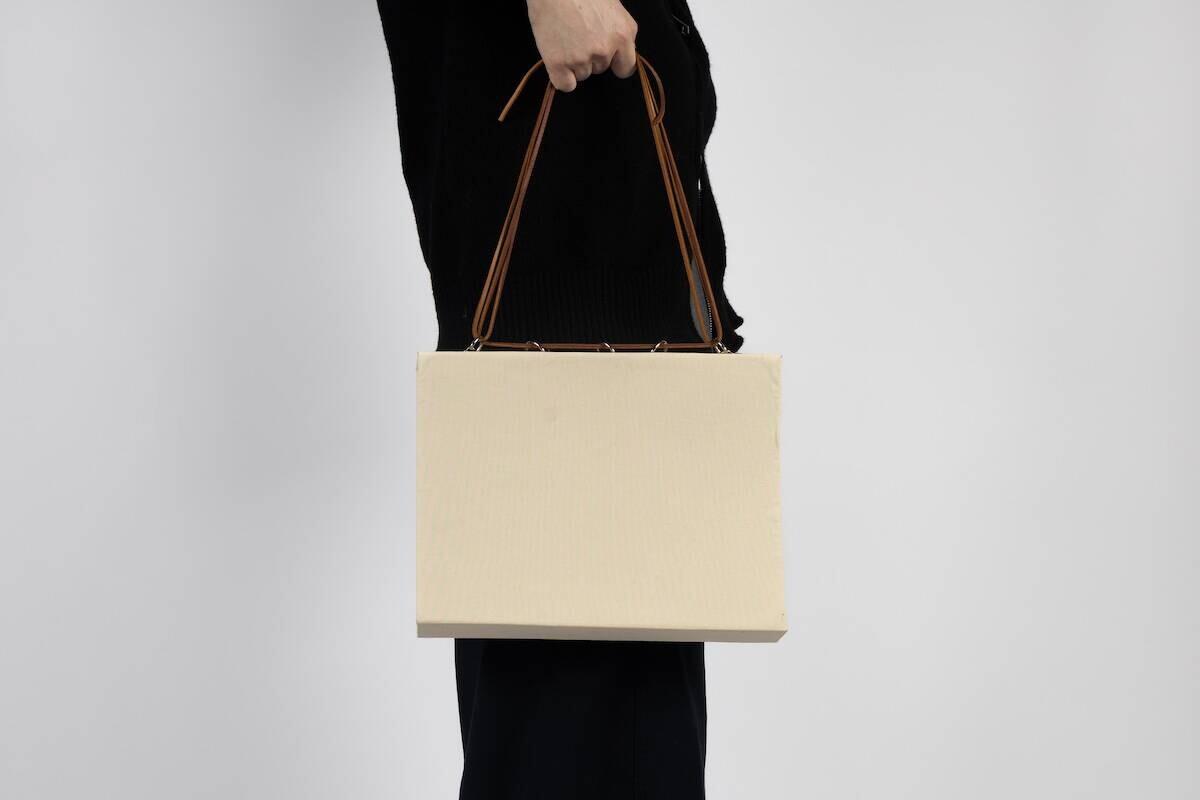
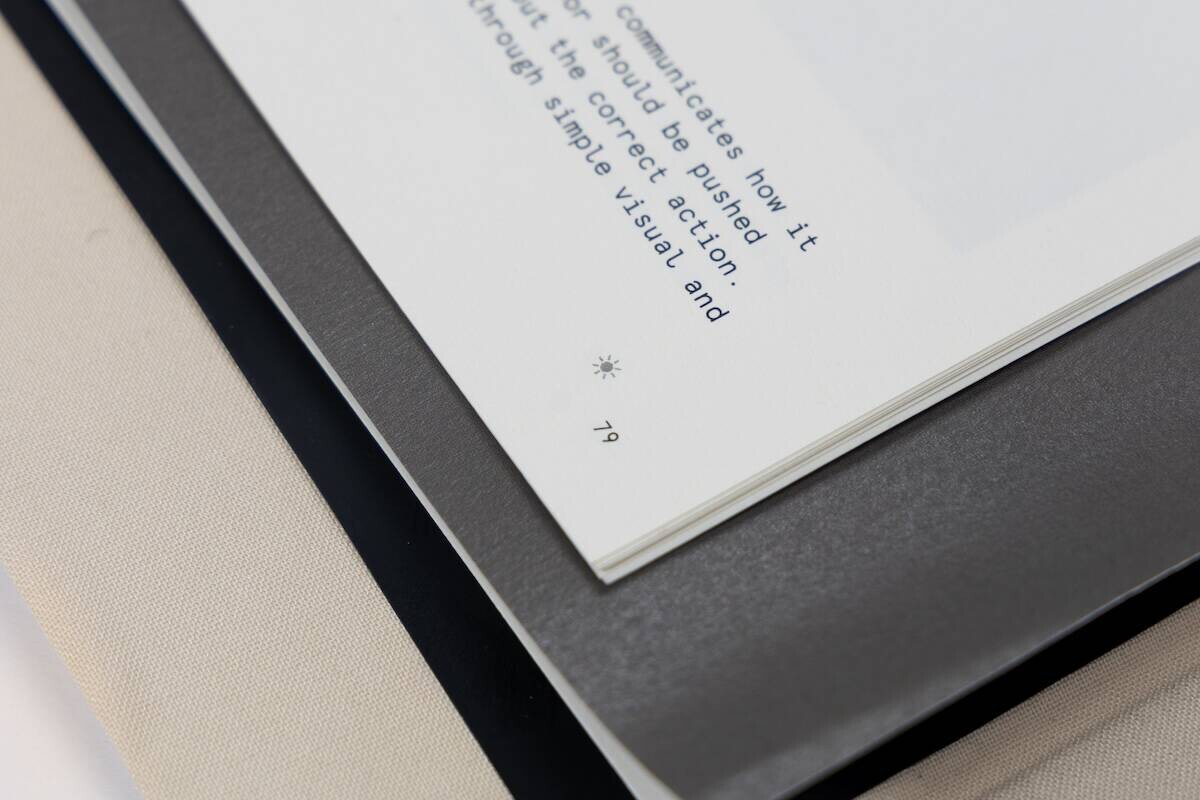
The book documents various attentive designs found in our daily lives, demonstrating attentiveness through design and letting readers experience reduced friction through materials and touch. This way, the book both informs and performs what “attentiveness” is.
Ultimately, this project argues that not all good design asks to be noticed. Some designs succeed by staying quiet. Giving them a name is not the only way for them to sparkle. The project challenges conventional ideas of impact and asks what it might mean to design not for attention, but for smoothness, silence, and care.