Architecture of Meaning
Aleksandra Levochka
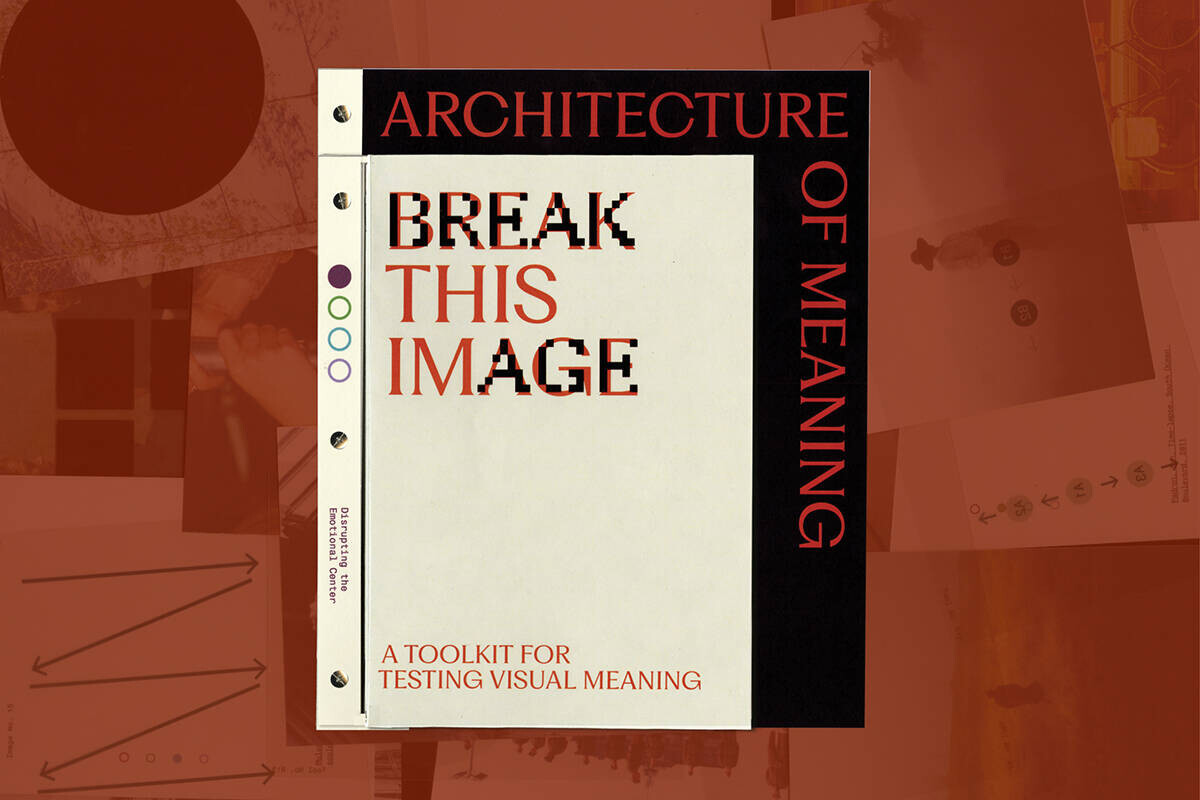

This project began with a recurring question: how do we make sense of what we see? Through working with images—collecting, organizing, and manipulating them—the focus shifted away from the images themselves toward the systems that shape their meaning.
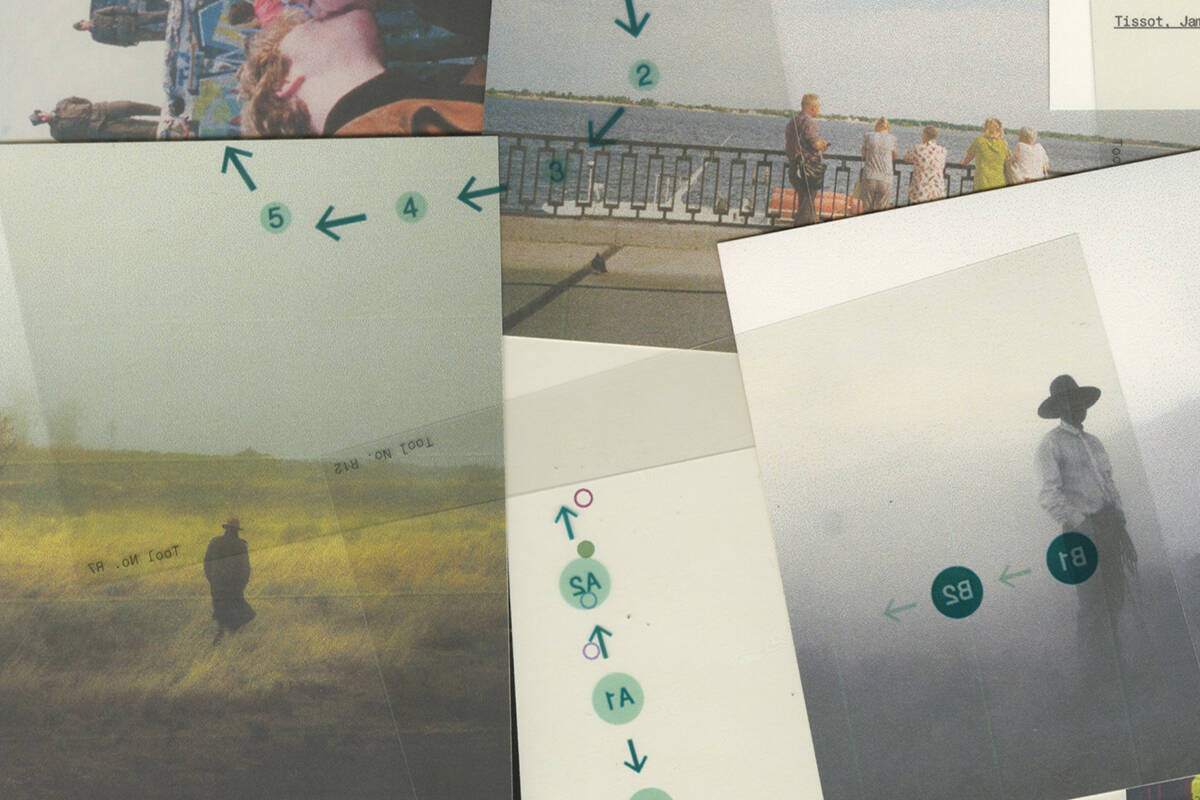
The project investigates what can be described as the architecture of meaning. The structures, rules, and perceptual habits that organize how images are read, compared, and understood. Rather than treating images as fixed objects, the work approaches them as systems shaped by hierarchy, context, and interpretation. Attempts to impose order revealed inherent instability: categories blur, meanings shift, and clarity is never fully resolved. These moments of breakdown became central, reframing uncertainty not as failure, but as a way of understanding perception.
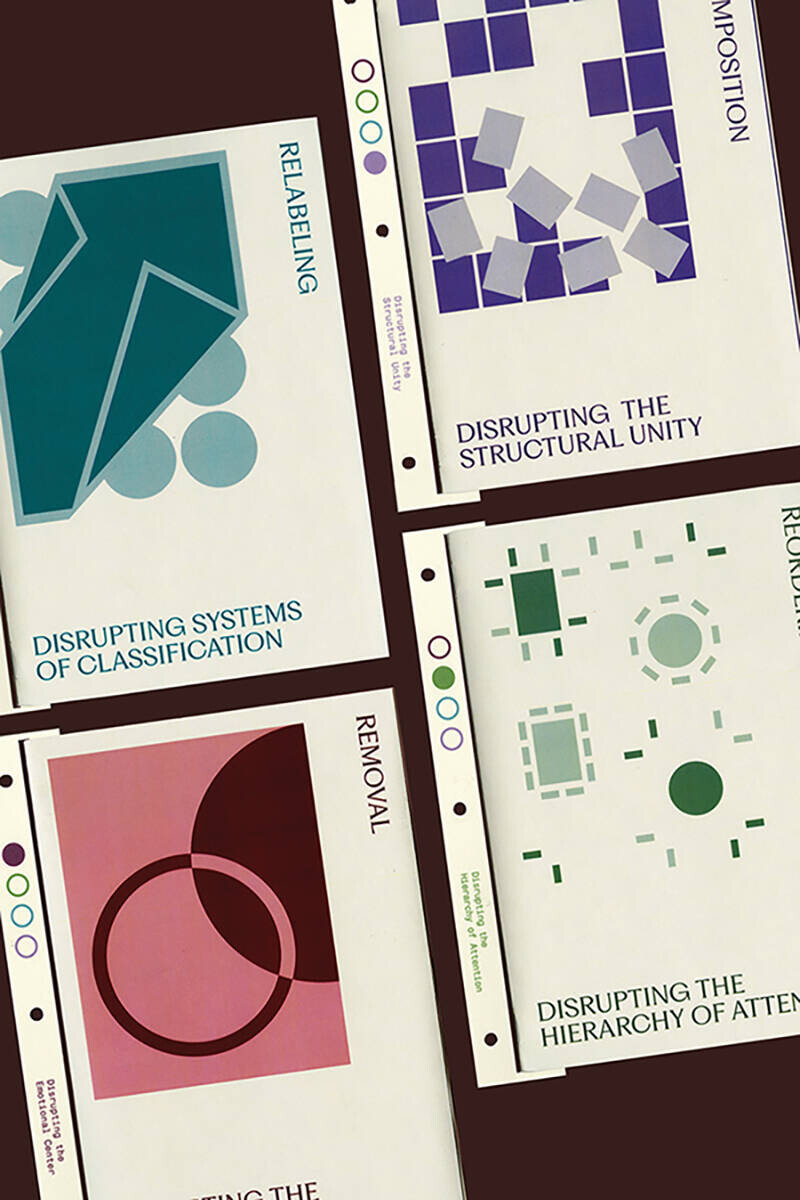
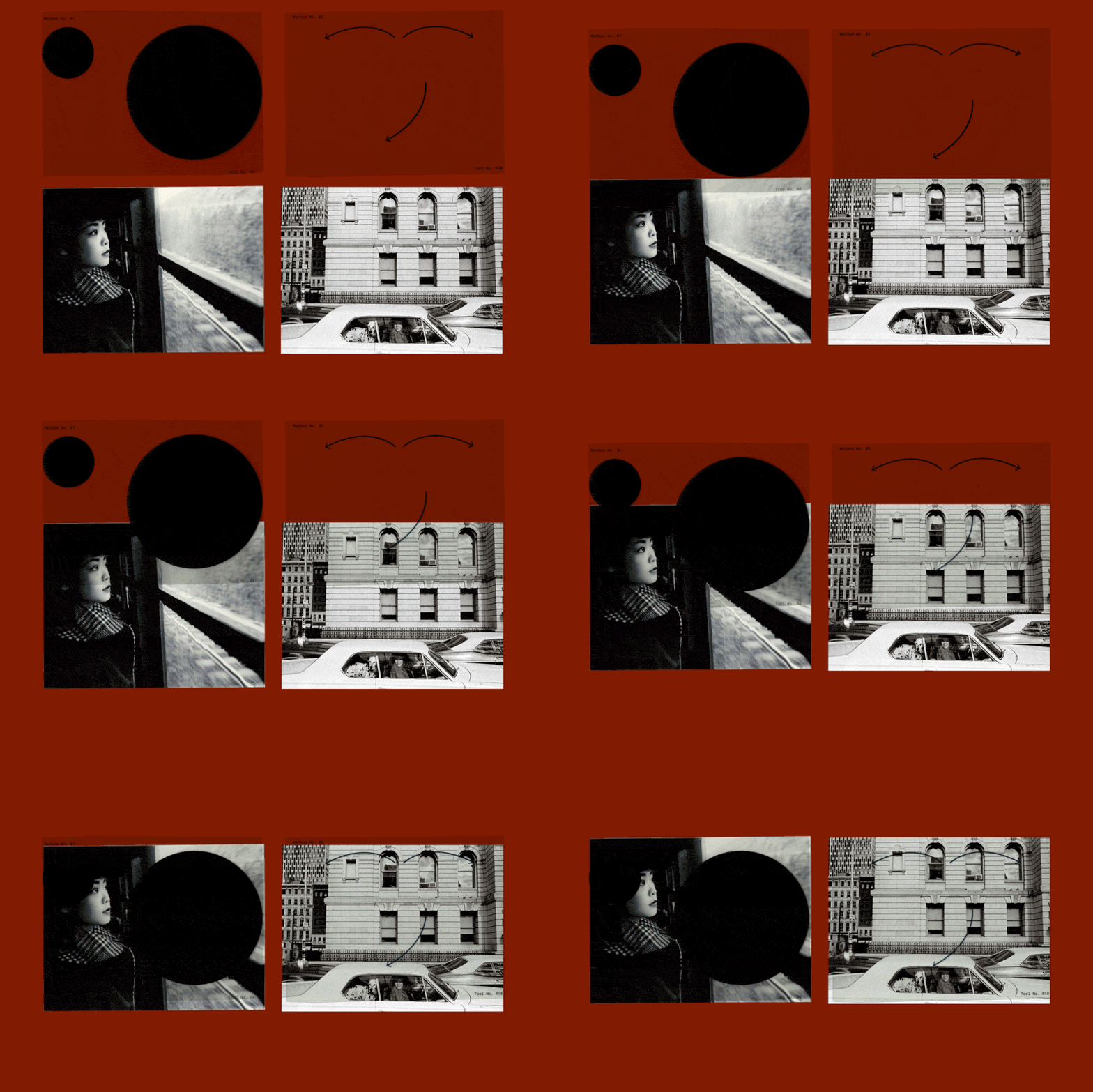
Alongside this inquiry, the project develops a visual practice of interruption through acts of removal, reordering, relabeling, and recomposition. These methods of intervention do not obscure meaning, but expose how it is constructed. By disrupting dominant elements within an image, the work examines how attention is directed, how hierarchies form, and how meaning changes when these structures are altered. Images are treated not as surfaces, but as dynamic systems open to reconfiguration.