When Languages Collide
Esther Sohn
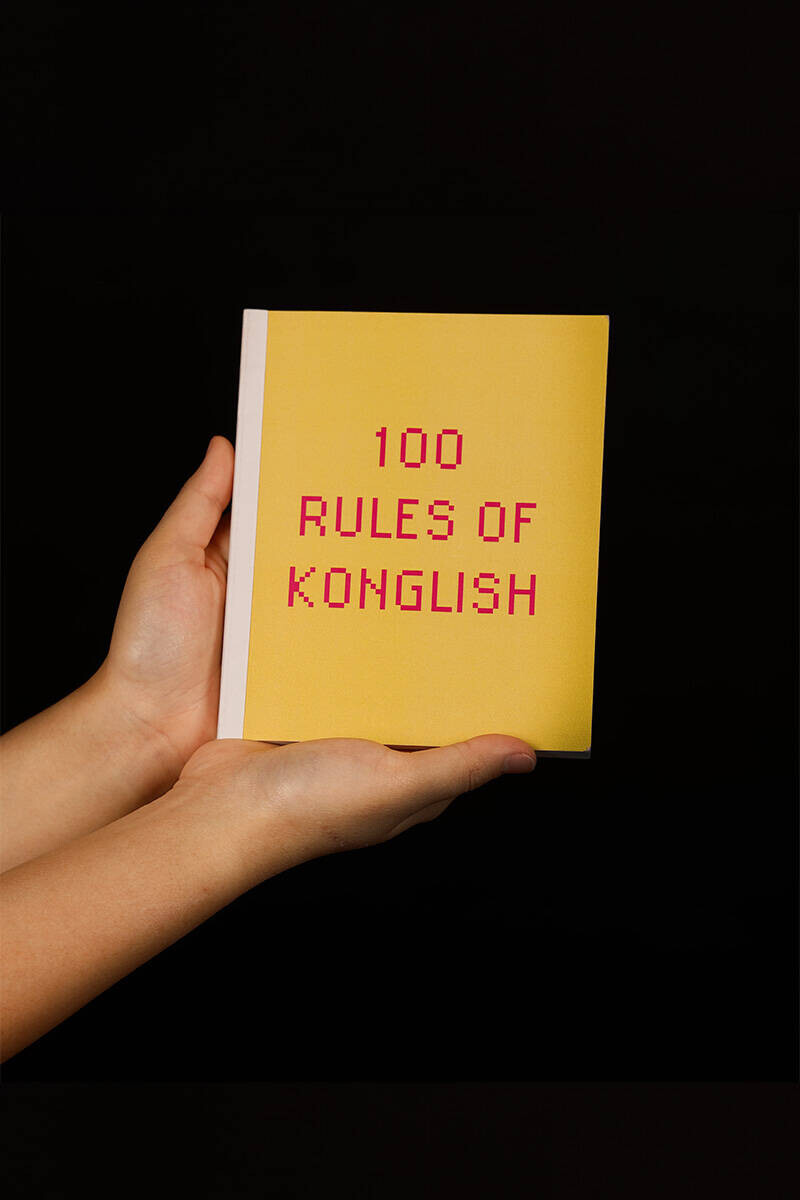
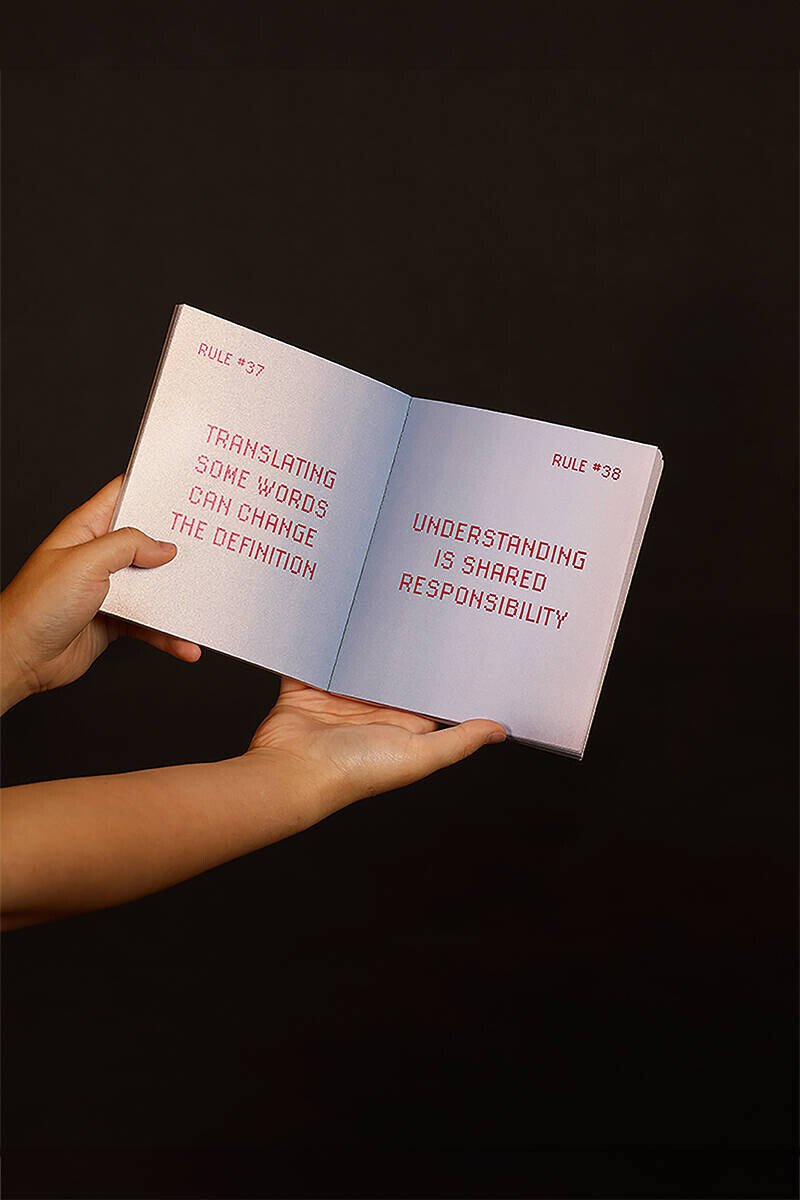
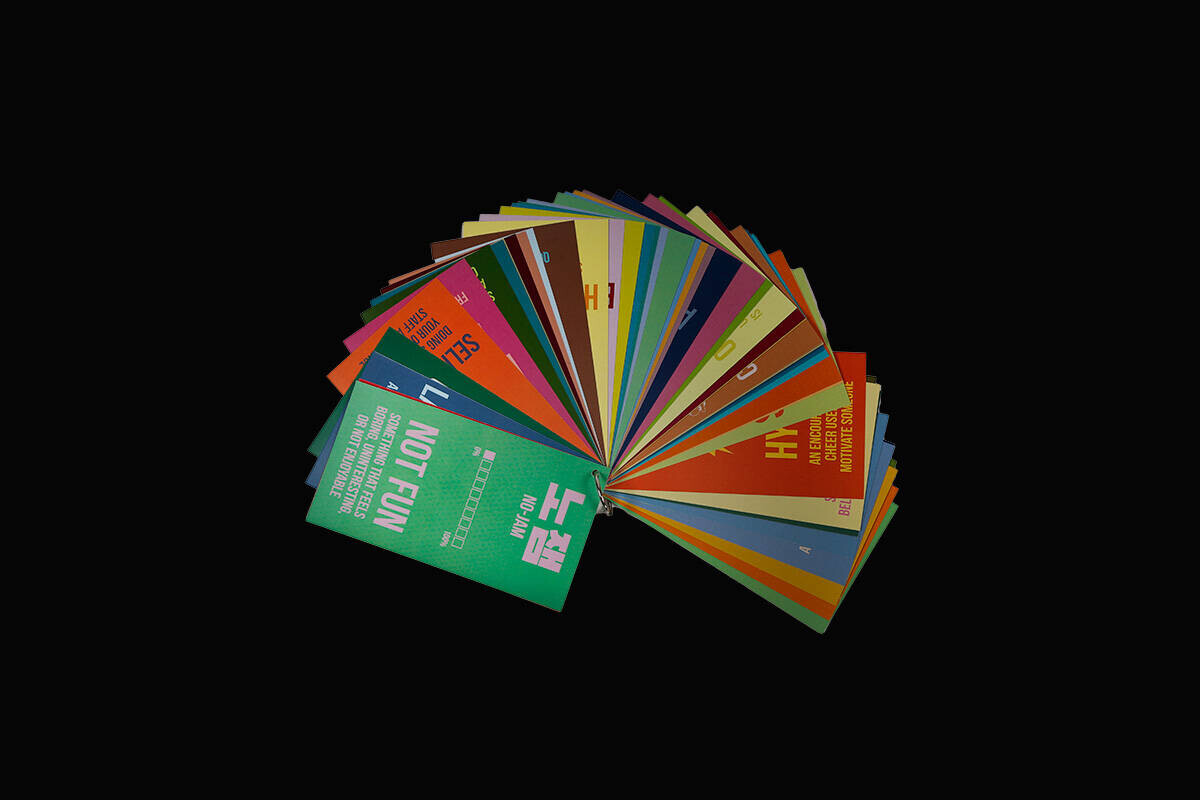
Growing up speaking both Korean and English, I often relied on mixing the two to communicate. I realized that communication depended less on accuracy and more on intuition, tone, and shared context. What I call Konglish is a flexible and expressive way of speaking that adapts to both cultures.
My research focuses on how Konglish can be documented and visualized as a living bilingual language. In my past projects, my work was more structured and fixed, but here I explore how language shifts in real use. Meaning isn’t fixed and can feel clear in one moment and unclear in another.
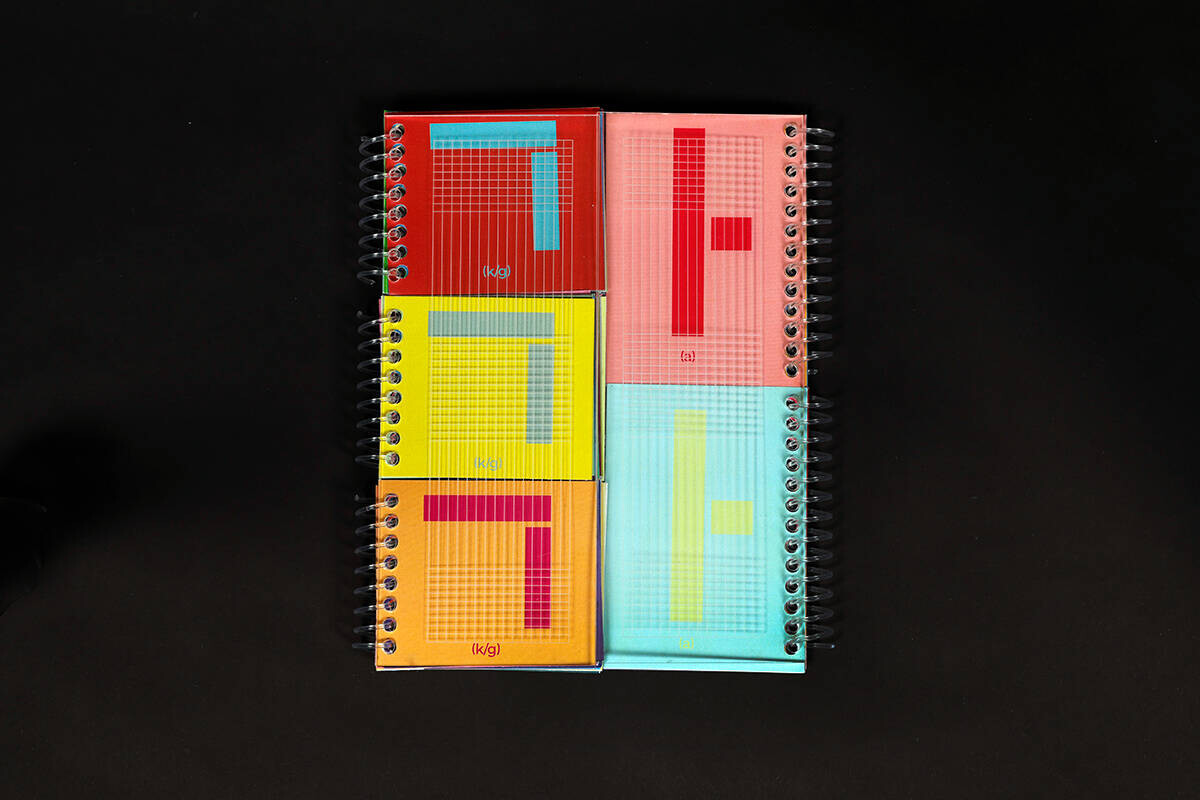
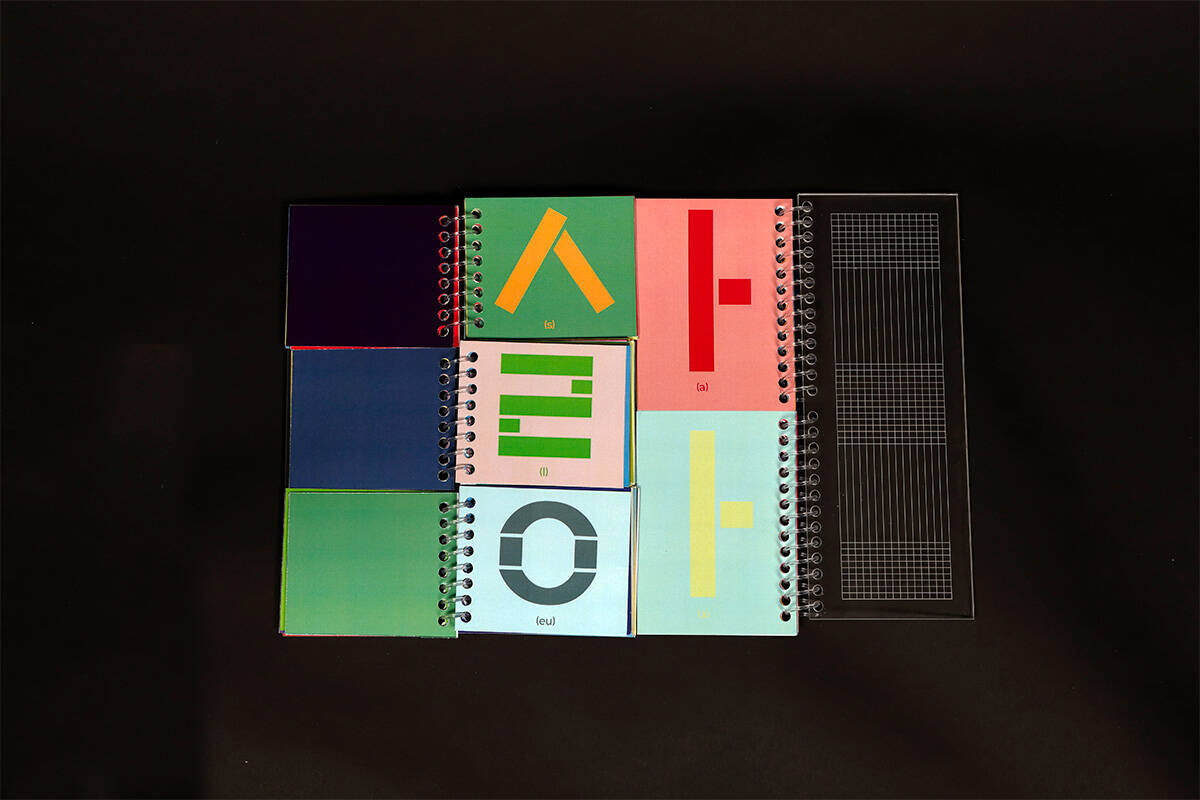
This way of thinking carries through the rest of the project. Konglish is presented as a living language system that focuses on meaning, tone, and cultural context over strict grammar. It takes shape through a series of colorful visual outcomes, including flashcards with English loanwords, a zine of Konglish rules, and typographic explorations.
In the end, this project reflects how language is connected to identity and personal experience, where Konglish becomes not just a way of speaking, but a way of existing between two languages.