A Timetable of History
Gloria Guo
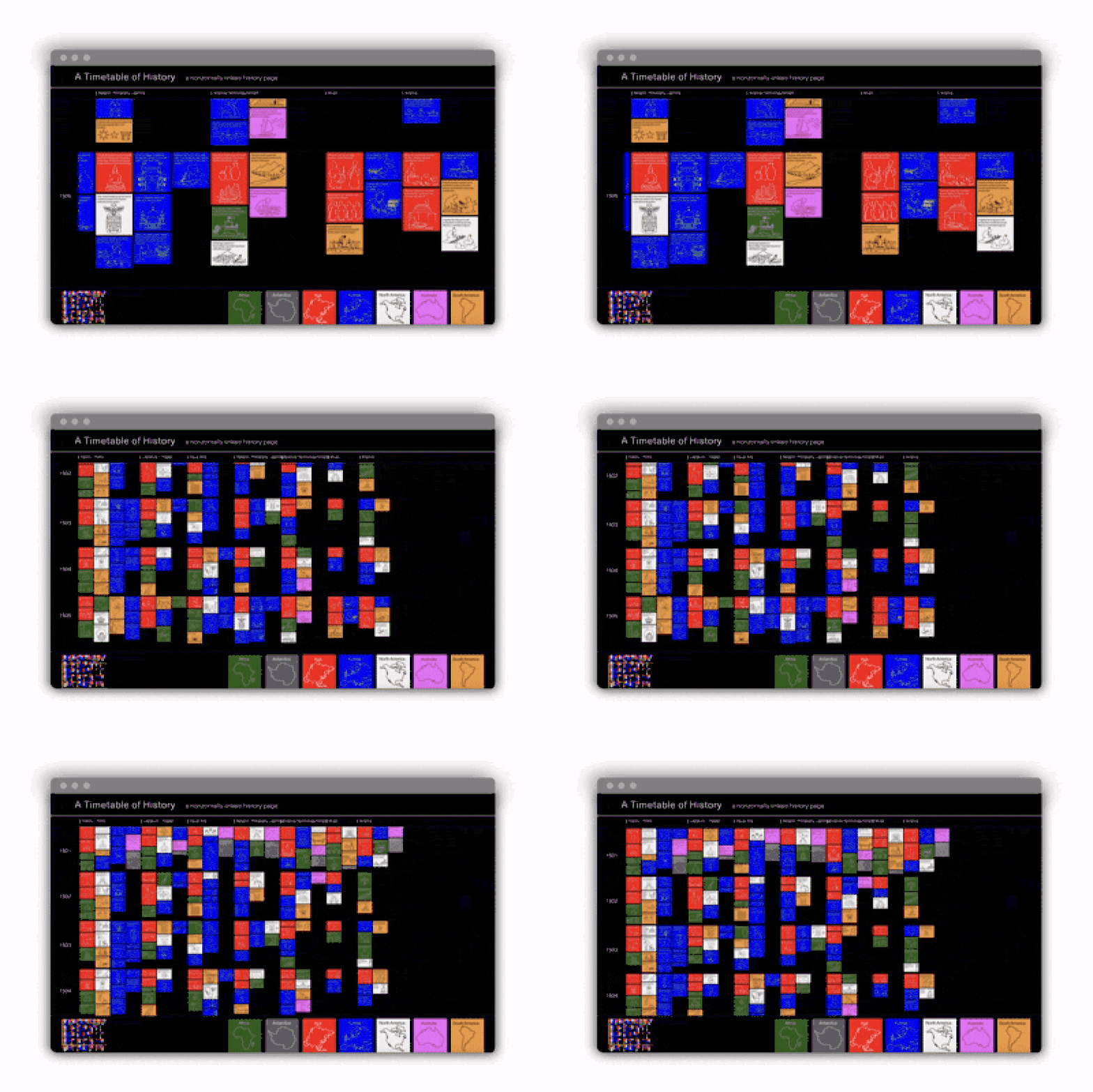
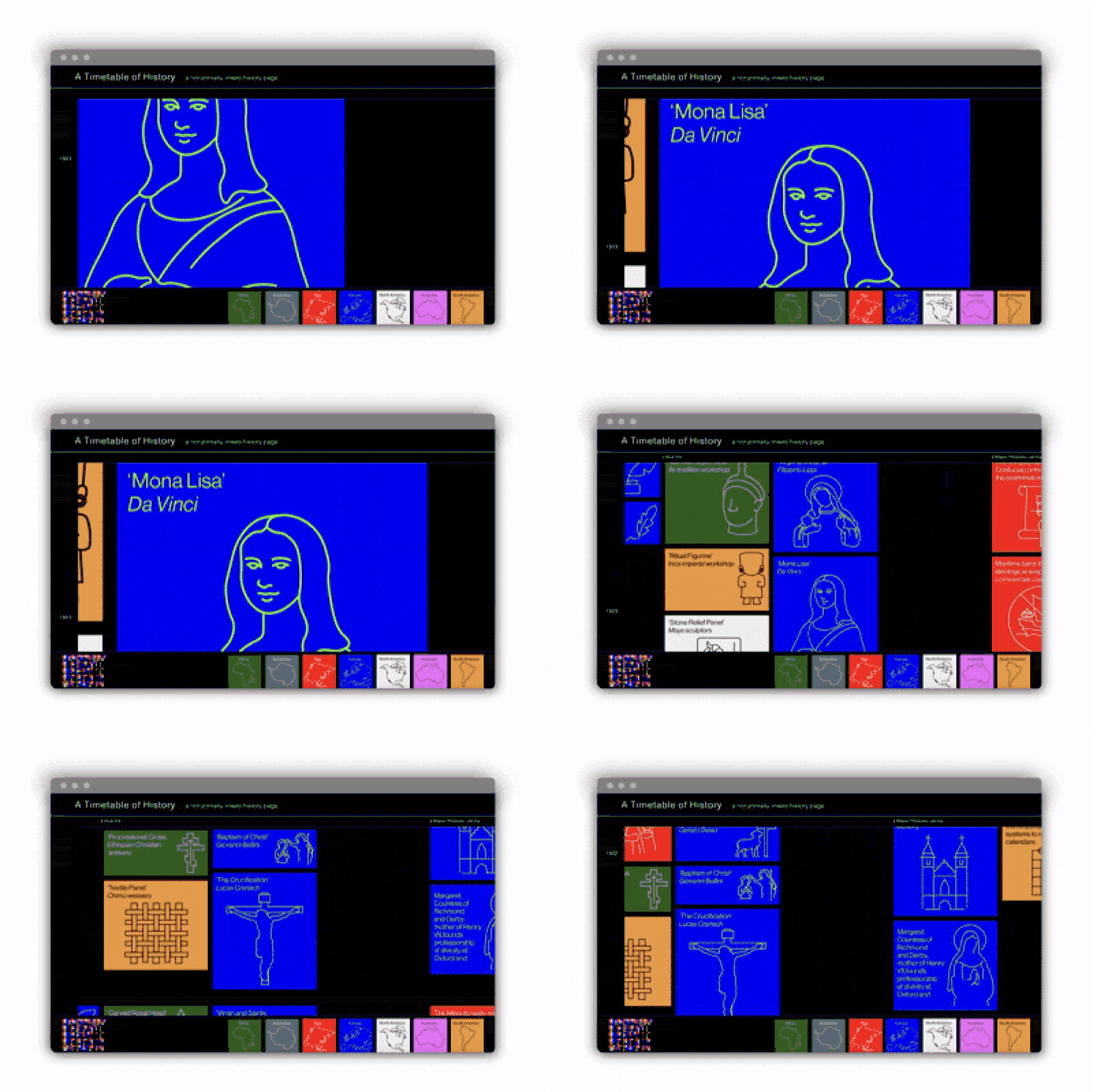
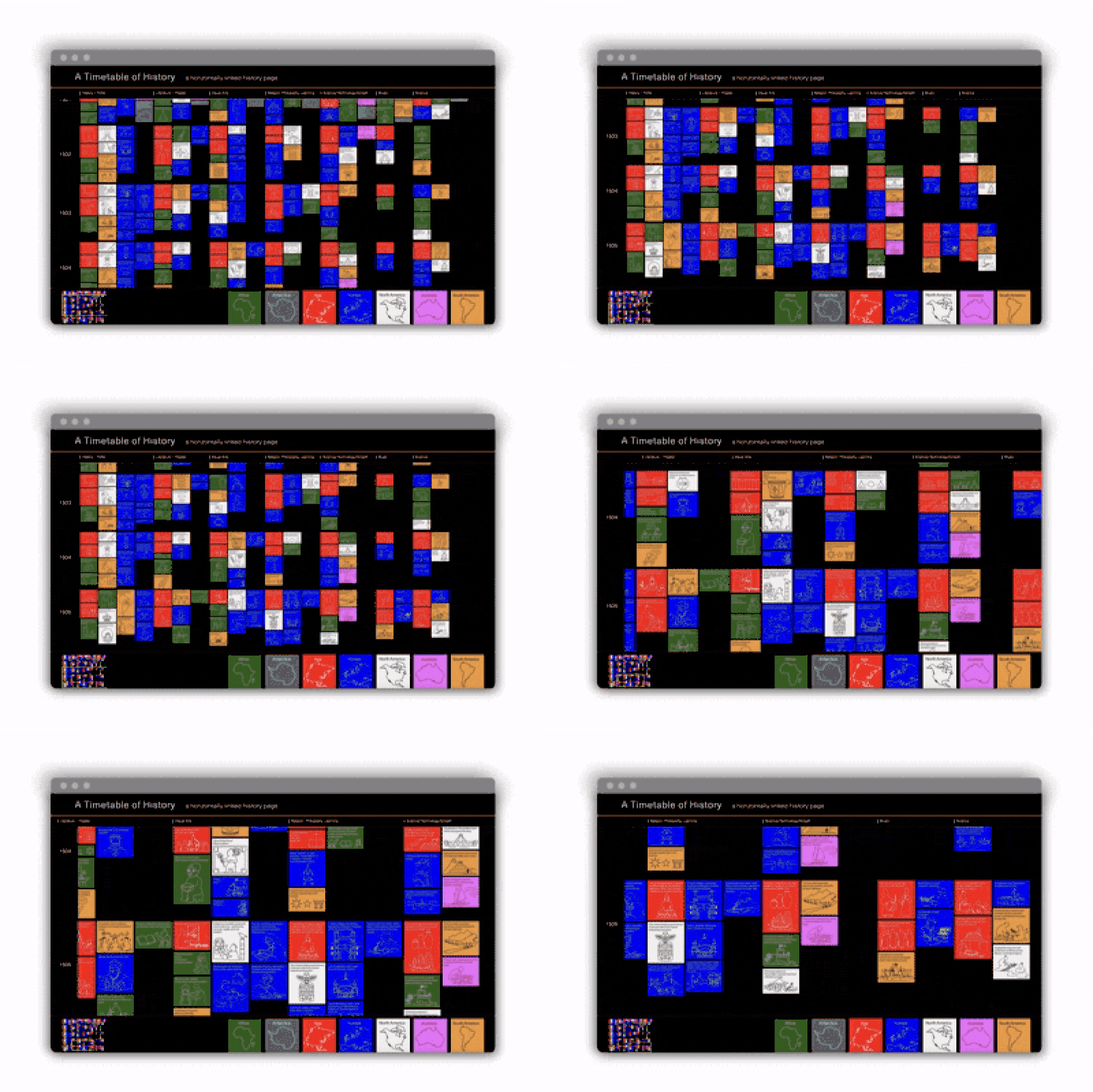
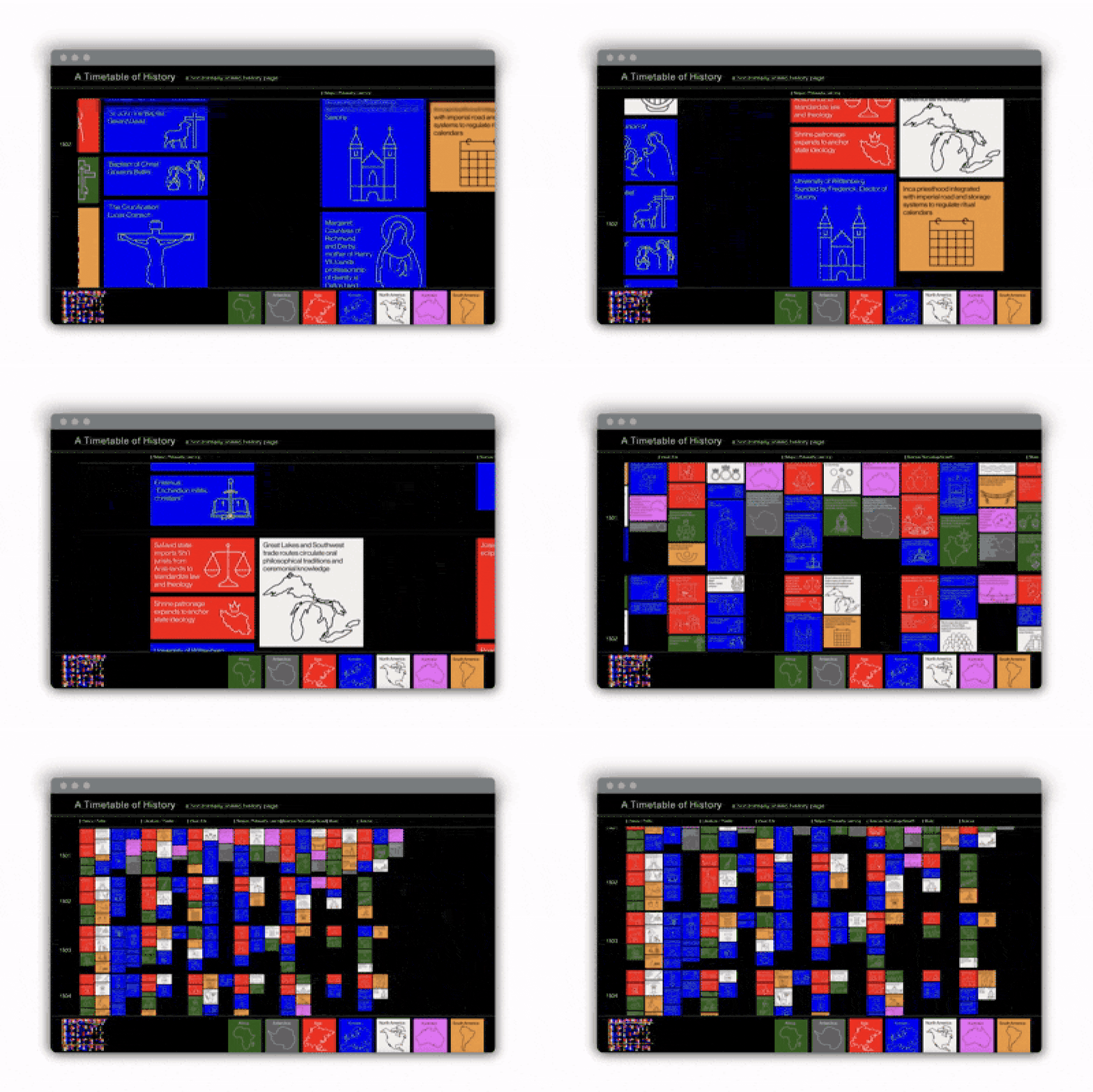
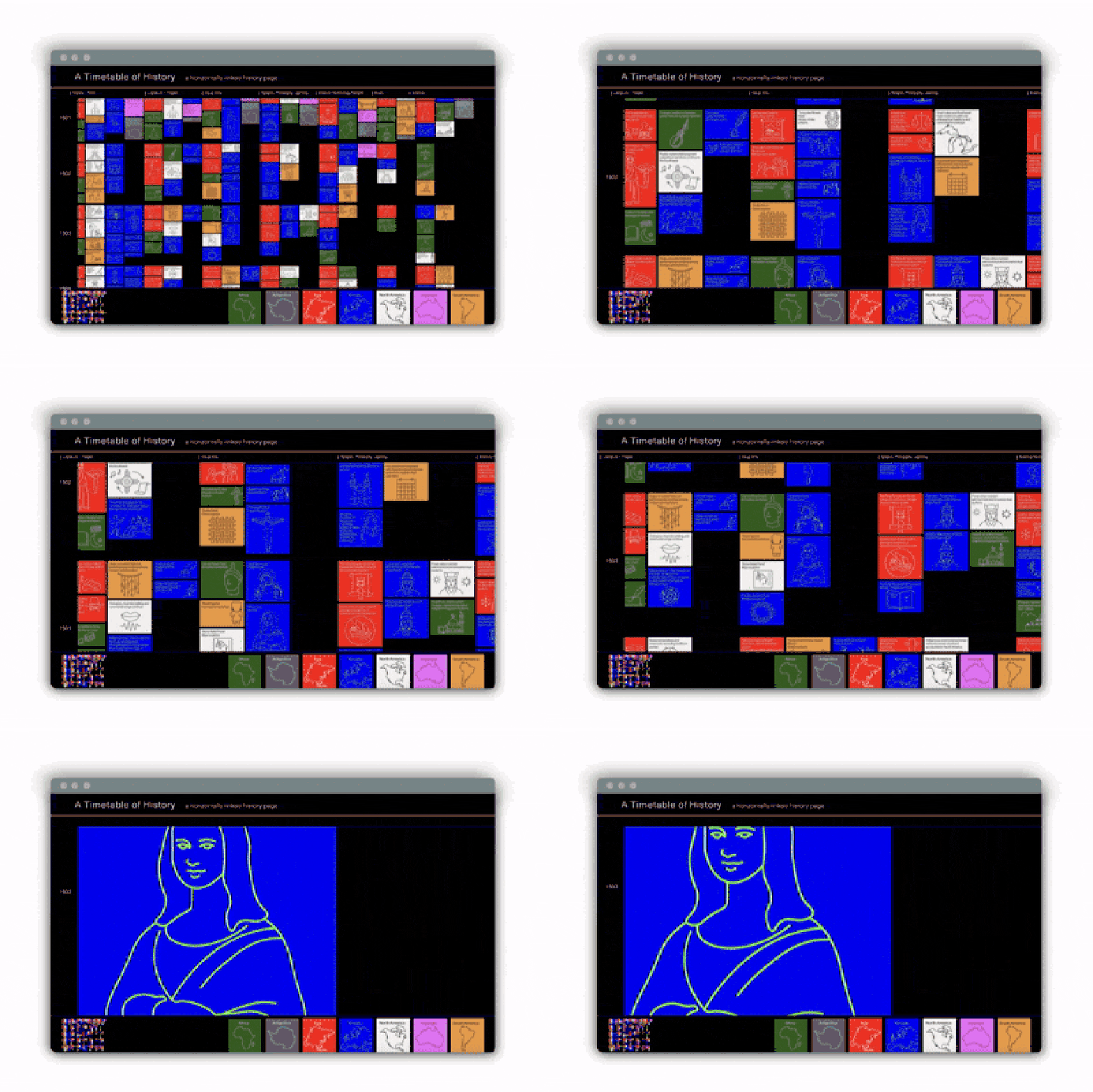
This project reframes history as a simultaneous, global system rather than a linear, regionally isolated narrative.
Through an image-based visual language, it constructs an alternative method of reading history that emphasizes coexistence, parallel development, and cross-cultural resonance across time.
Each historical event is translated into a simplified visual system and organized by region and category, forming a modular system that allows complex information to be read at multiple scales. By compressing text-heavy histories into a cohesive set of visual units, the project shifts the focus from individual events to patterns, categories, and temporal overlaps.
Presented as a large-scale, zoomable timeline, the project enables both macro and micro readings—from a distant overview of global activity to close-up examinations of specific moments. This navigable structure invites viewers to move non-linearly, discovering unexpected parallel connections across time.
Situated at the intersection of communication design, large-scale data visualization, and digital media, the project proposes a new way to engage with historical knowledge—transforming it from static documentation into an interactive visual experience.