Residuals: The Archaeology of the Mind
Niva Shah
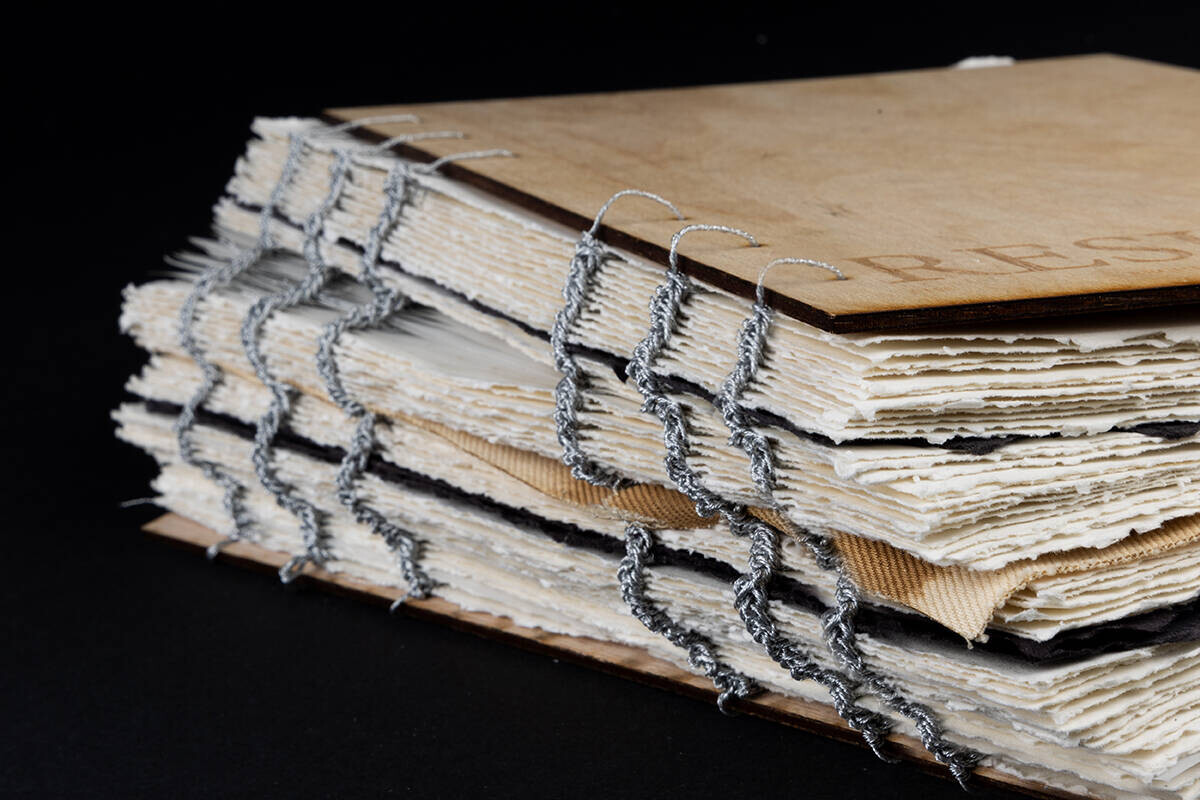
Fragments, traces, impressions, residues.
Residuals investigates memory through the metaphor of archaeological excavation. Rather than existing as a stable archive preserved intact within the mind, memory survives through fragments that remain after time has altered the original experience. What persists from the past are not complete records but partial impressions. These traces endure even as details soften or disappear.
Drawing from psychological research and archaeological methodology, the project considers the mind as a site of excavation. Archaeology rarely uncovers entire structures preserved in their original state. Instead, it reveals foundations, soil impressions, and material remnants that suggest what once existed. Memory operates in a similar way. The past is not retrieved intact. It is reconstructed from fragments that remain accessible in the present.
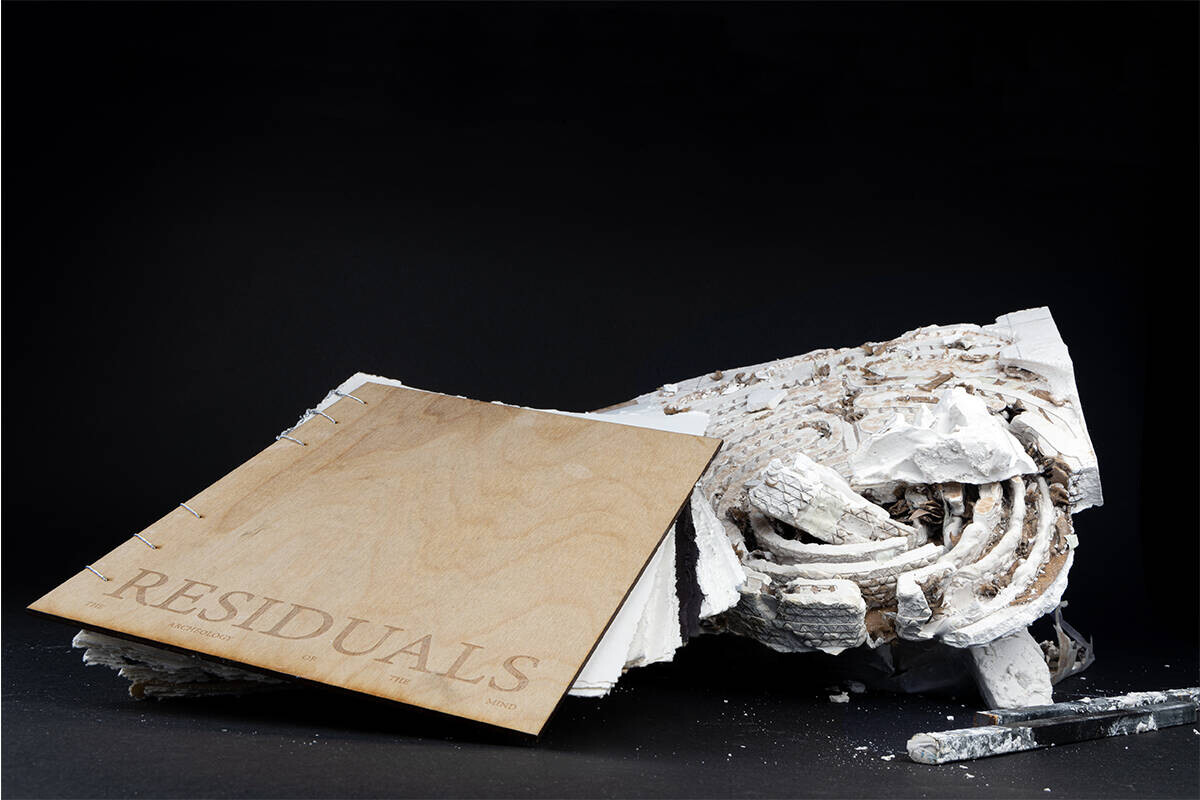
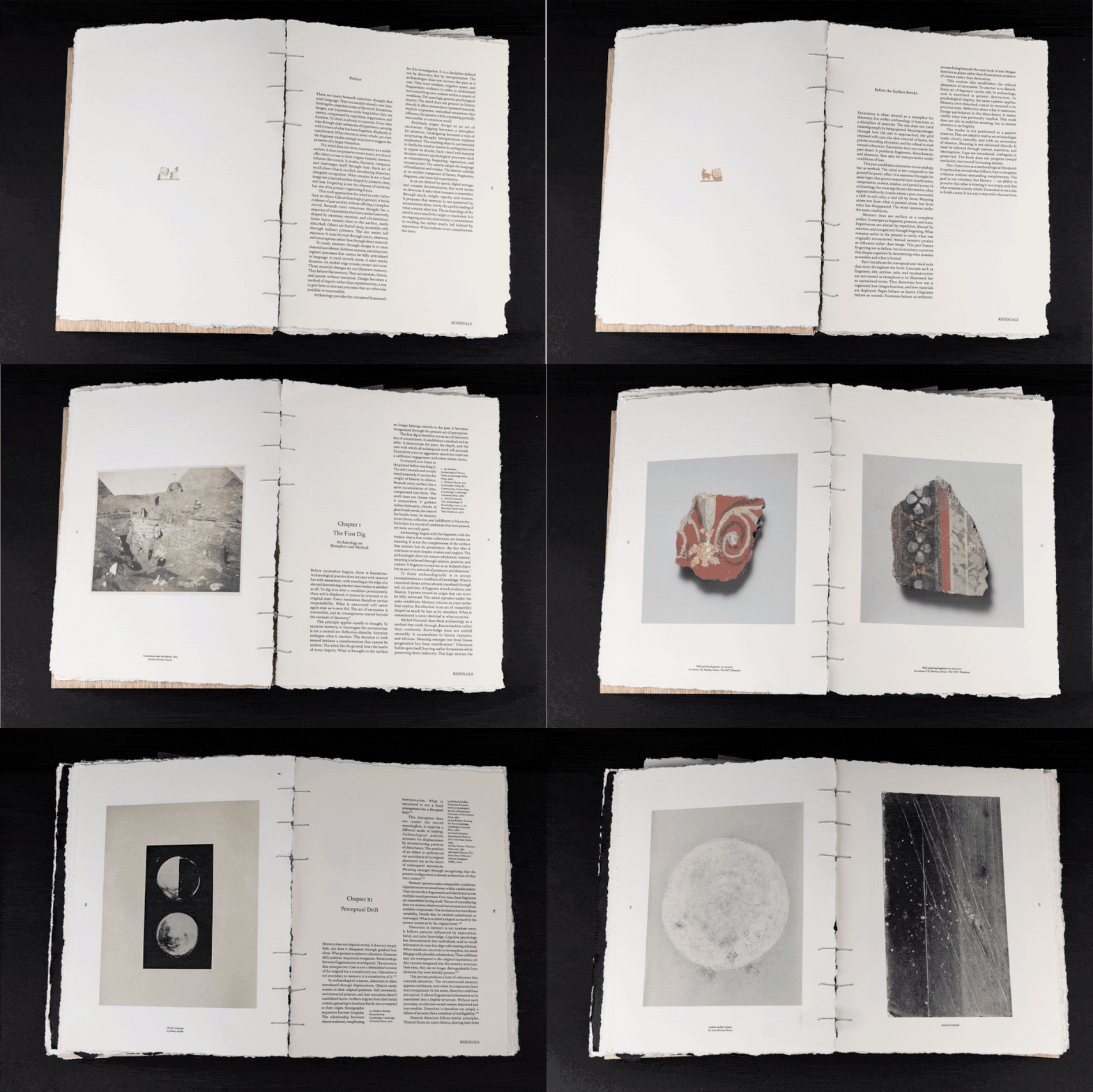
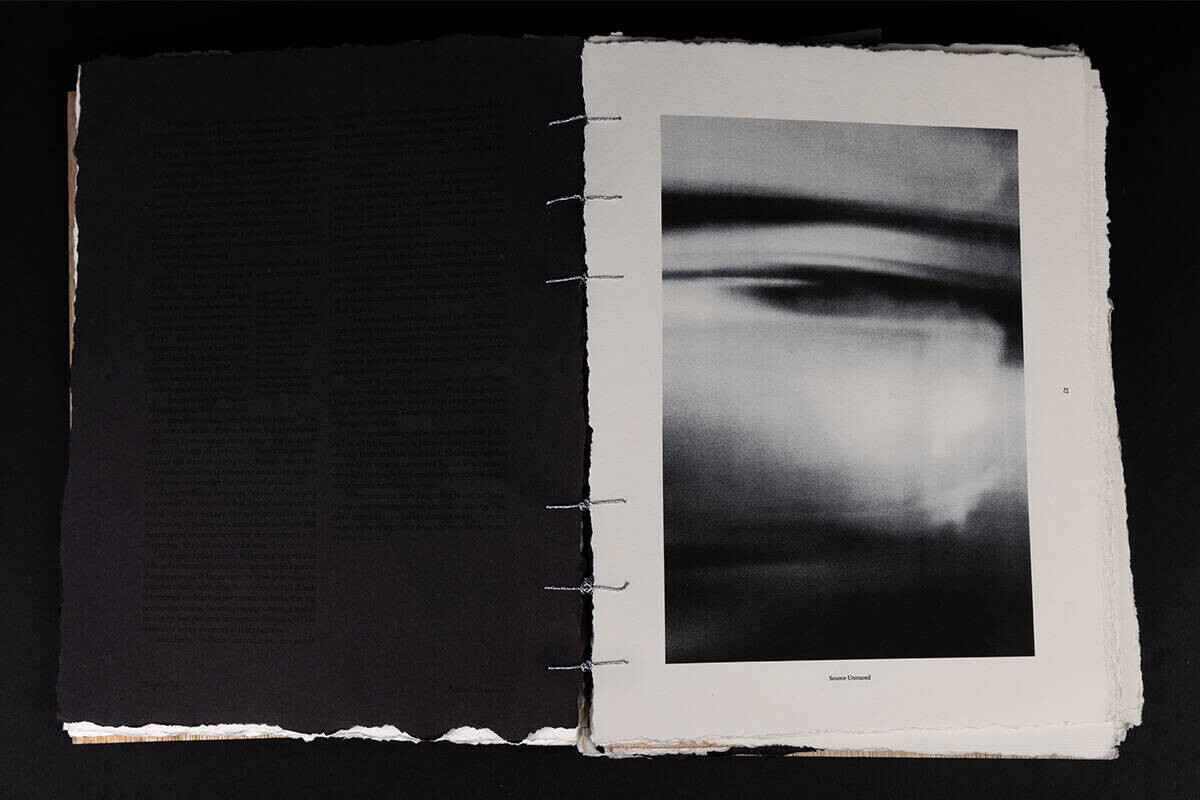
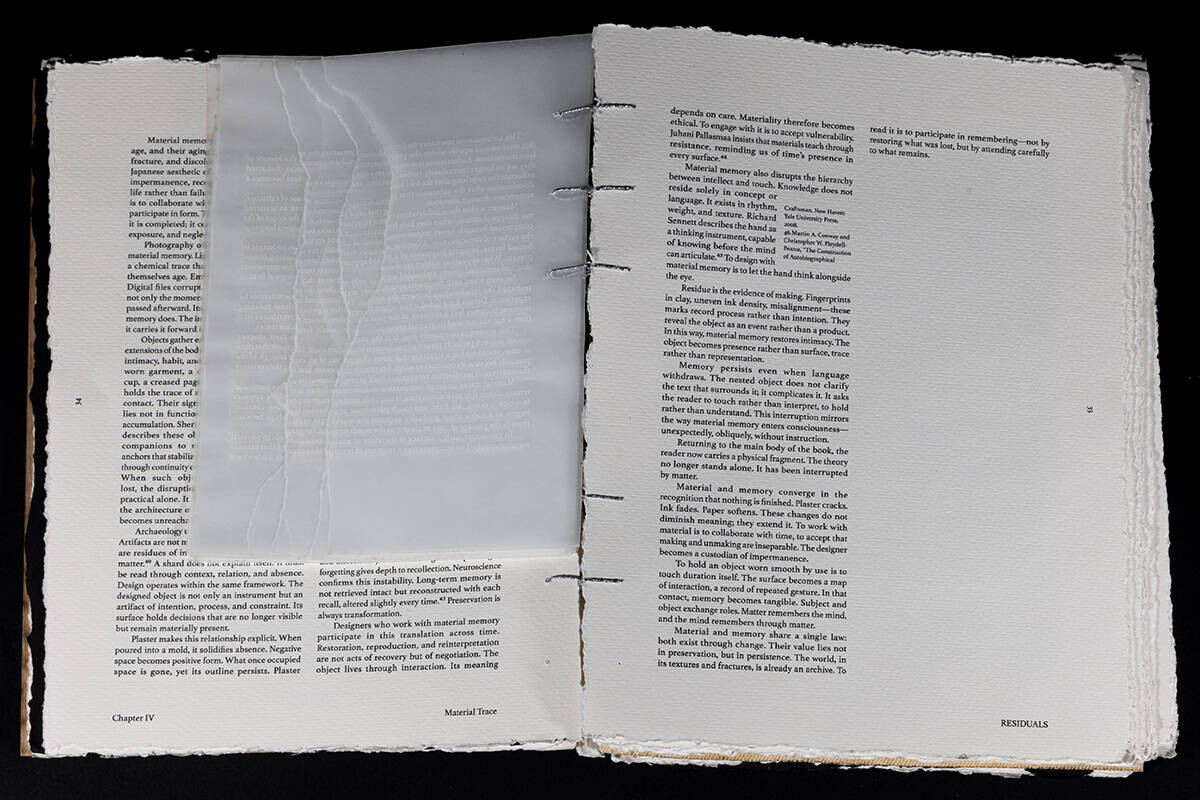
This project takes the form of a designed publication that explores the layered structure of recollection through text, image, and material experimentation. The structure of the book reflects processes of excavation, accumulation, and erosion. Photographs function as visual analogues to archaeological artifacts, presenting surfaces, textures, and fragments that evoke the persistence of memory after its original context has disappeared.
Through the visual language of layering, fragmentation, and material residue, the work proposes that memory should not be understood as preservation. Instead, it is a process shaped by time, reconstruction, and loss. What remains of experience is never the past itself, but the traces that continue to influence how the present is perceived.