Shadow Play with Chinese Festivals
Melody Su
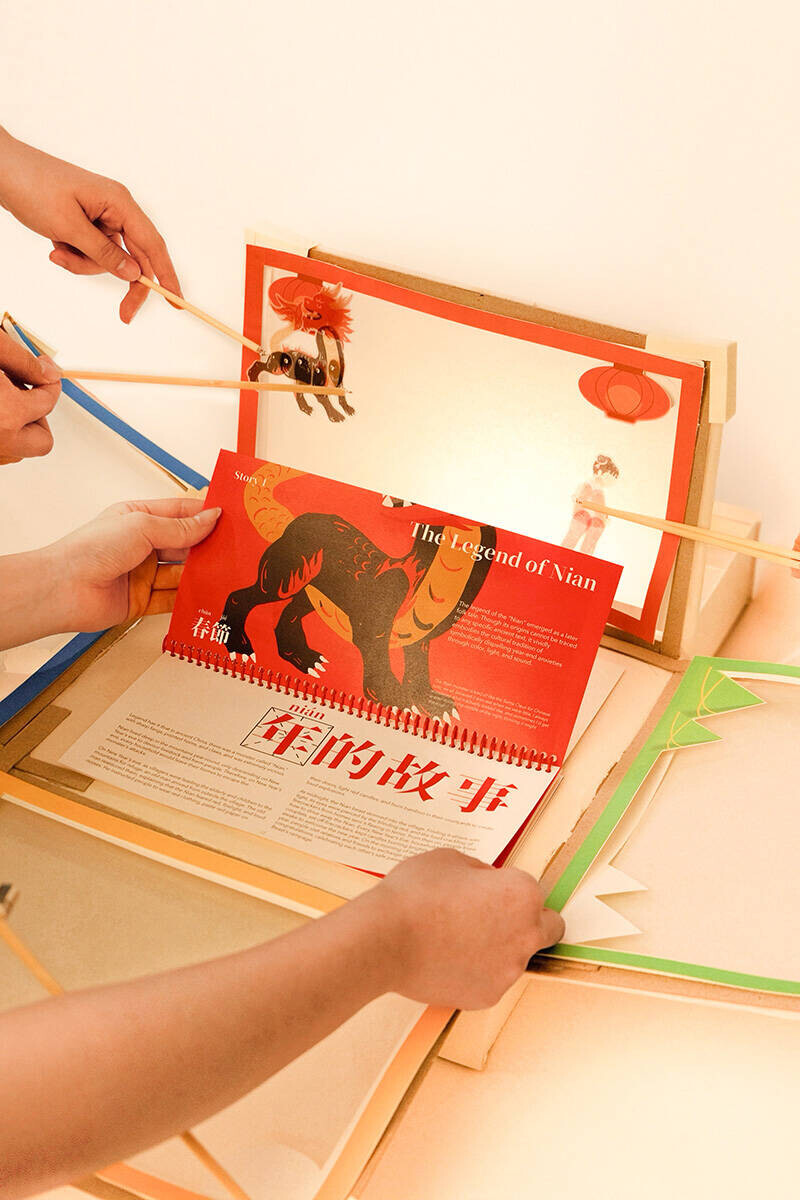
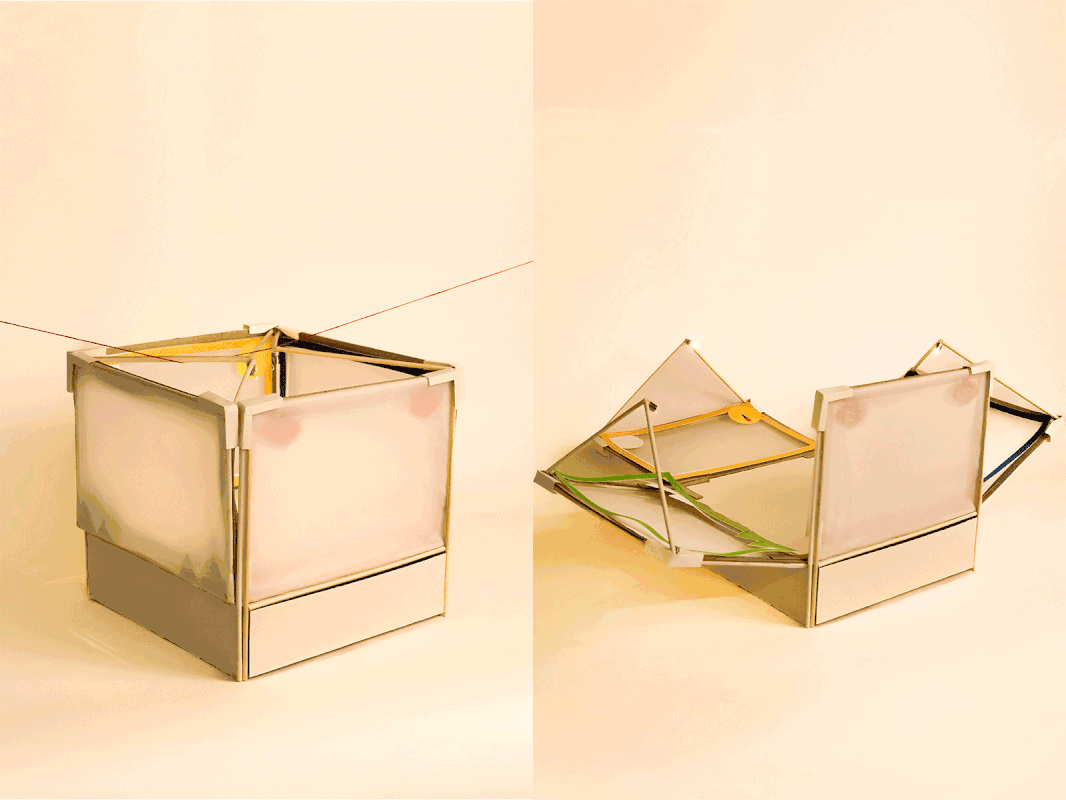
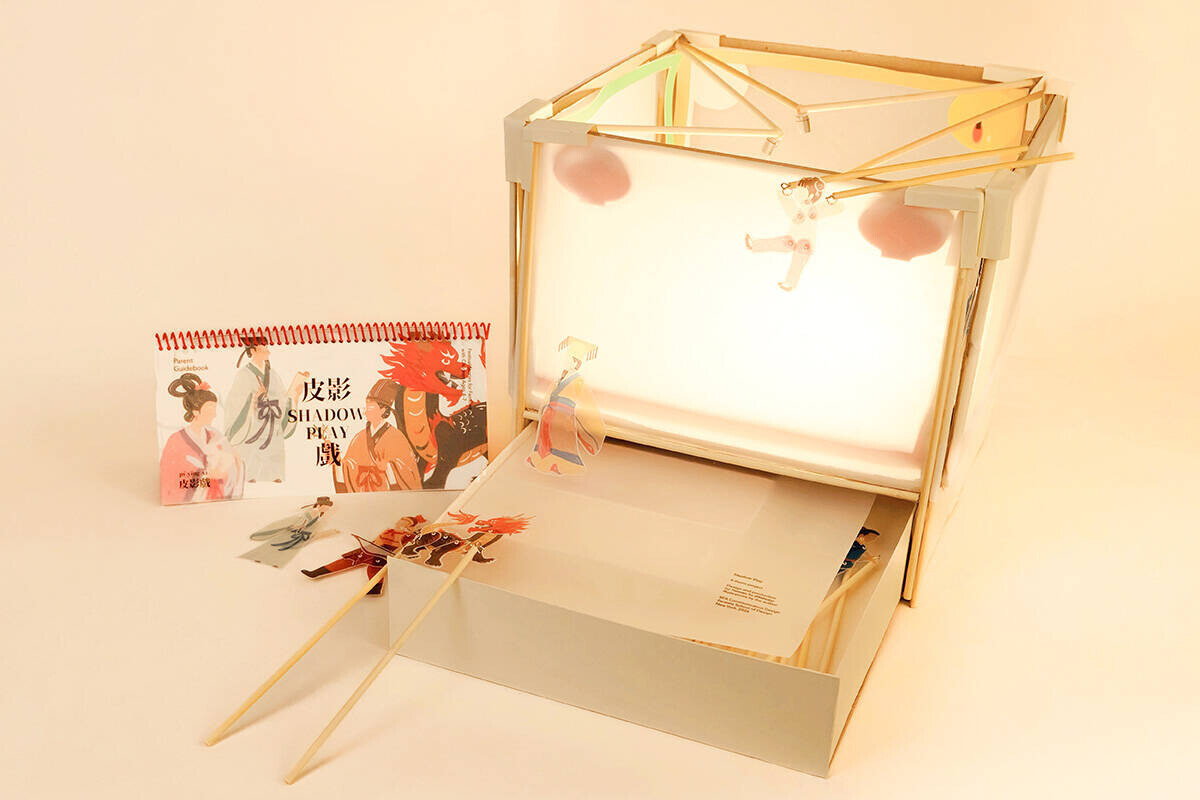
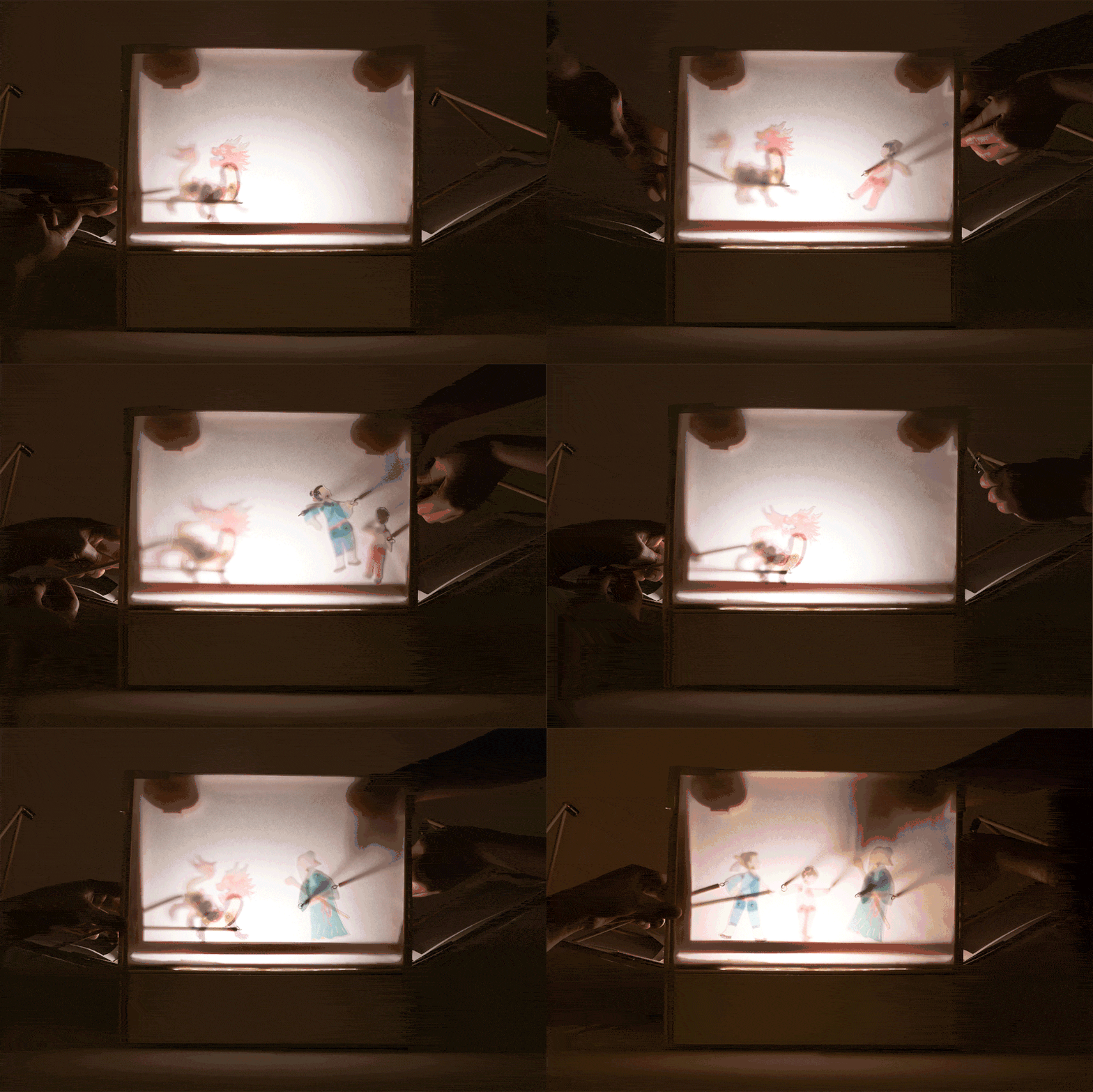
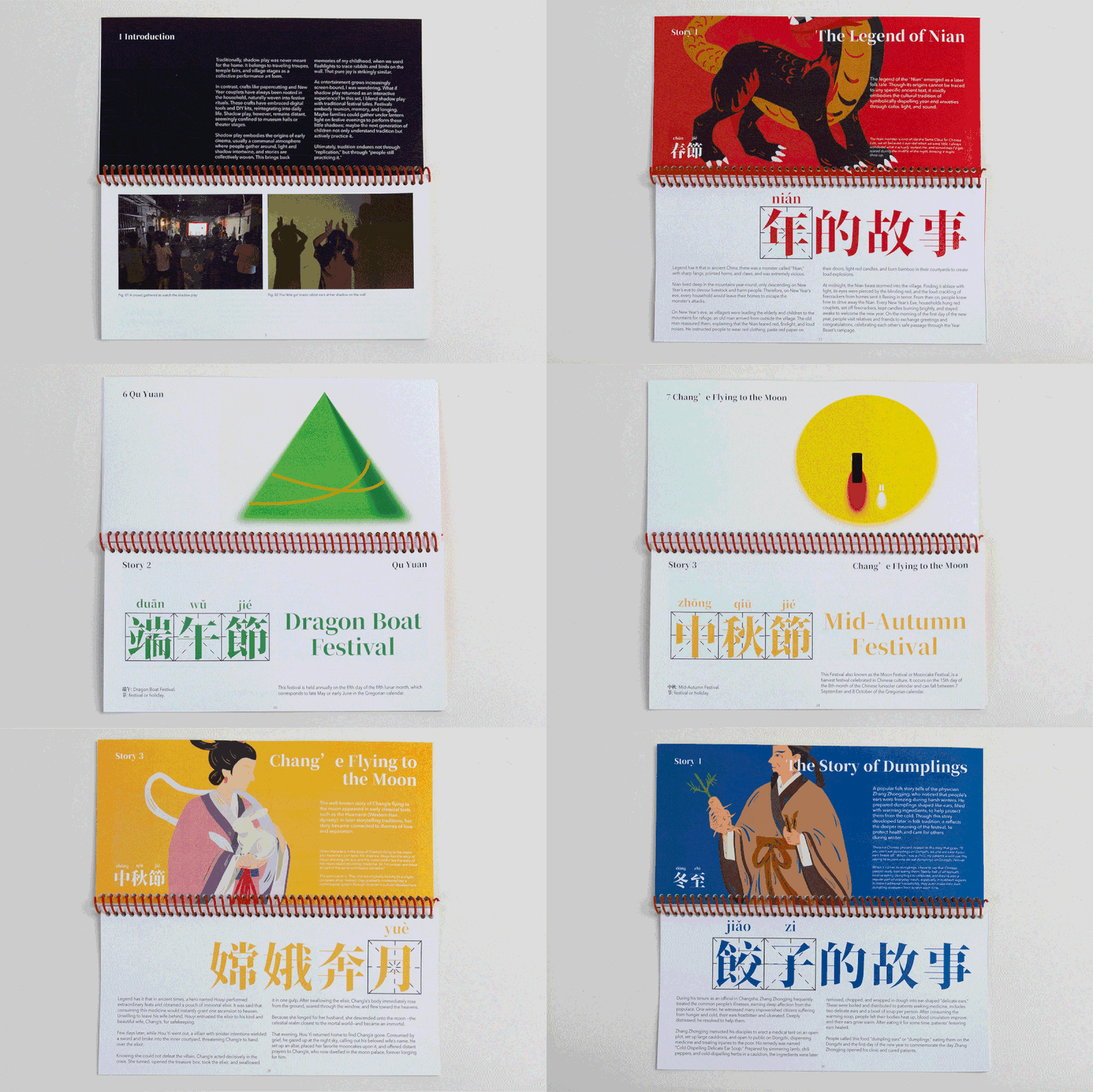
This thesis presents an interactive shadow puppet toolkit that reimagines traditional art as a contemporary, family-centered learning experience. In contemporary family life, many traditional performing arts have become detached from everyday environments; this toolkit aims to reconnect children with traditional culture through design.
Centered on Chinese shadow puppetry, the kit adopts a guided process inspired by instruction manuals to shift cultural education from reading-based approaches to hands-on learning. Through a series of progressive steps involving assembly, operation, and performance, the learning process is designed as an interactive and participatory journey, enabling parents and children to experience and understand traditional culture together.
The toolkit includes an assembled stage, shadow puppets, and storylines based on traditional Chinese festivals, allowing children to engage with cultural traditions, symbolic meanings, and cultural context. The story selects four representative traditional festivals, which are the Chinese New Year, the Dragon Boat Festival, the Mid-Autumn Festival, and the Dongzhi, and builds its narrative structure around the seasonal cycles, reflecting the traditional Chinese emphasis on seasonal cycles and the natural order. The system incorporates Chinese vocabulary words with pinyin annotations as cultural cues, guiding children aged 3–7 to perform and narrate within the home environment.
Through parent-child interaction, festival storytelling, and hands-on activities, this toolkit constructs a screen-free cultural experience centered on “learning by doing,” bringing performance, storytelling, and making into home spaces to reimagine understanding and transmitting traditional performing arts in contemporary family contexts.