Between the Ink
Ruotong Lin

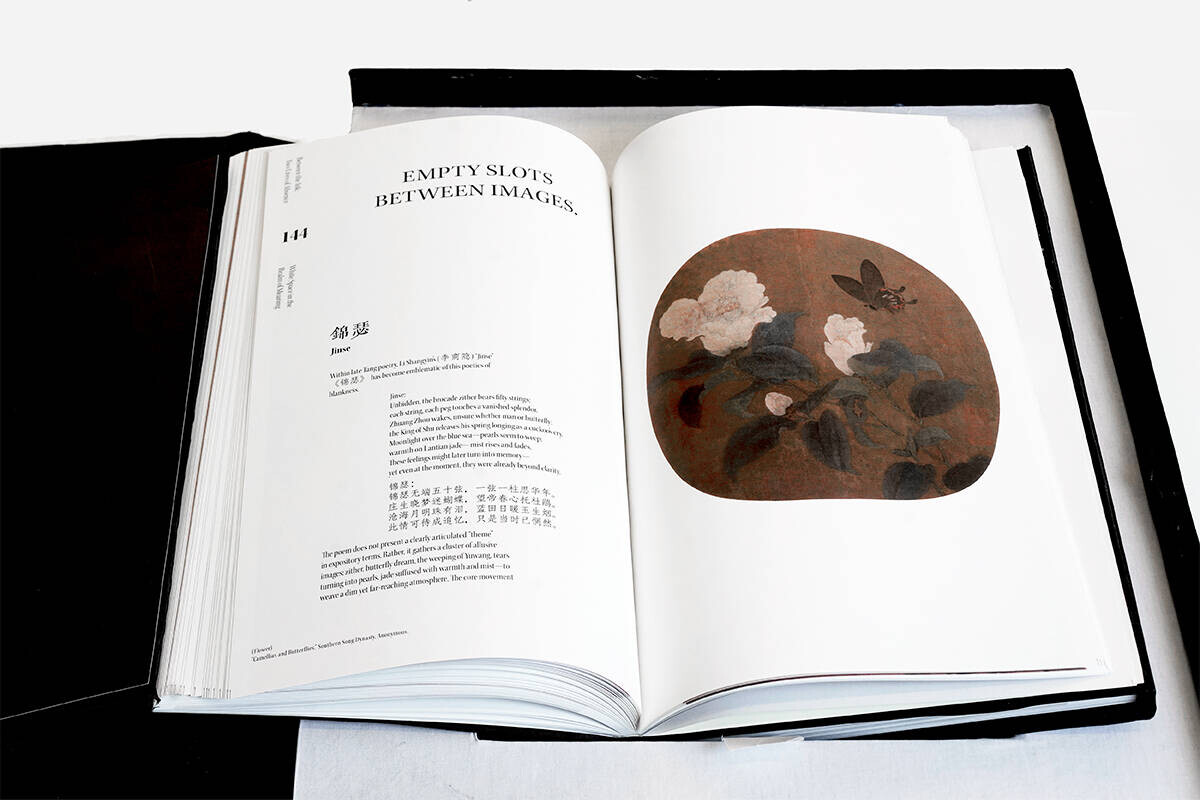
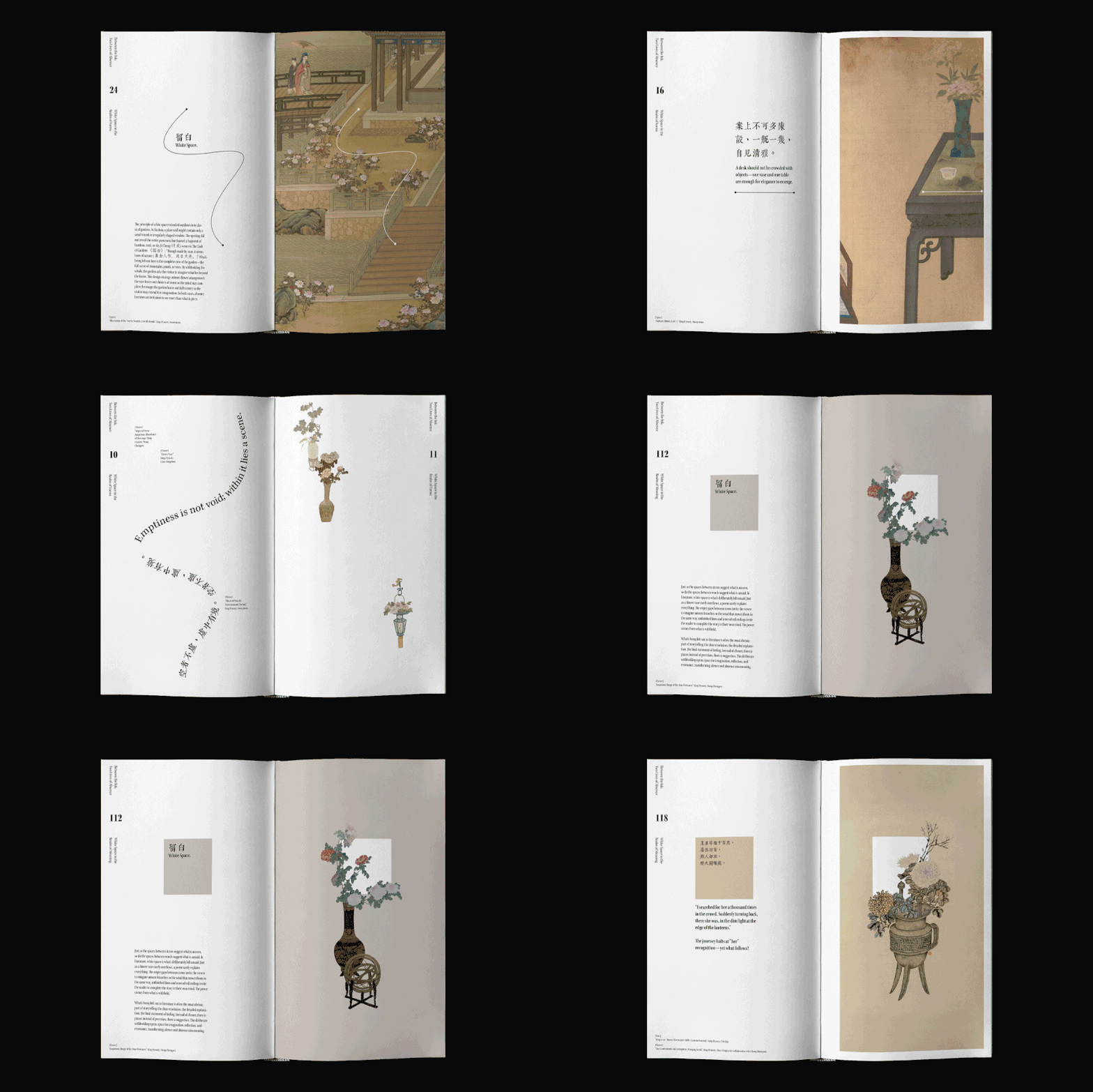
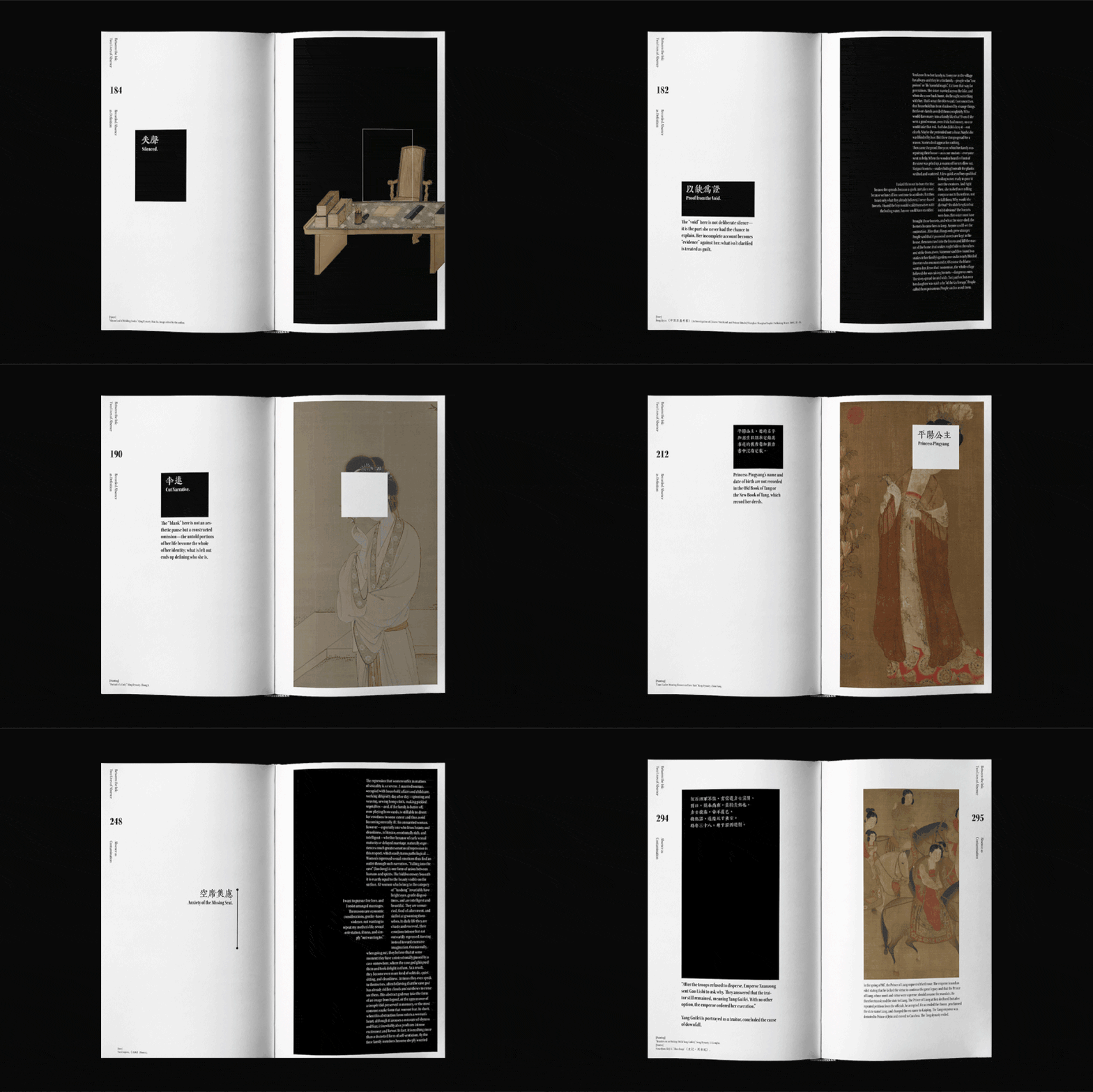
This thesis takes 留白 (white space), a principle from Chinese aesthetics, as its central lens and proposes that its logic is double-edged: in art and philosophy, absence creates room for breathing room, imagination, and meaning; in social narratives, the same structure renders women invisible, vulnerable, and stigmatized.
Part I traces white space across Chinese visual, spatial, and literary traditions: painting, floral arrangement, living space, philosophy, and poetry. In each of these, emptiness is never simply a lack. White space functions as a kind of presence, creating rhythm, balance, and resonance. It invites restraint, contemplation, and imaginative participation. The empty space completes the work.
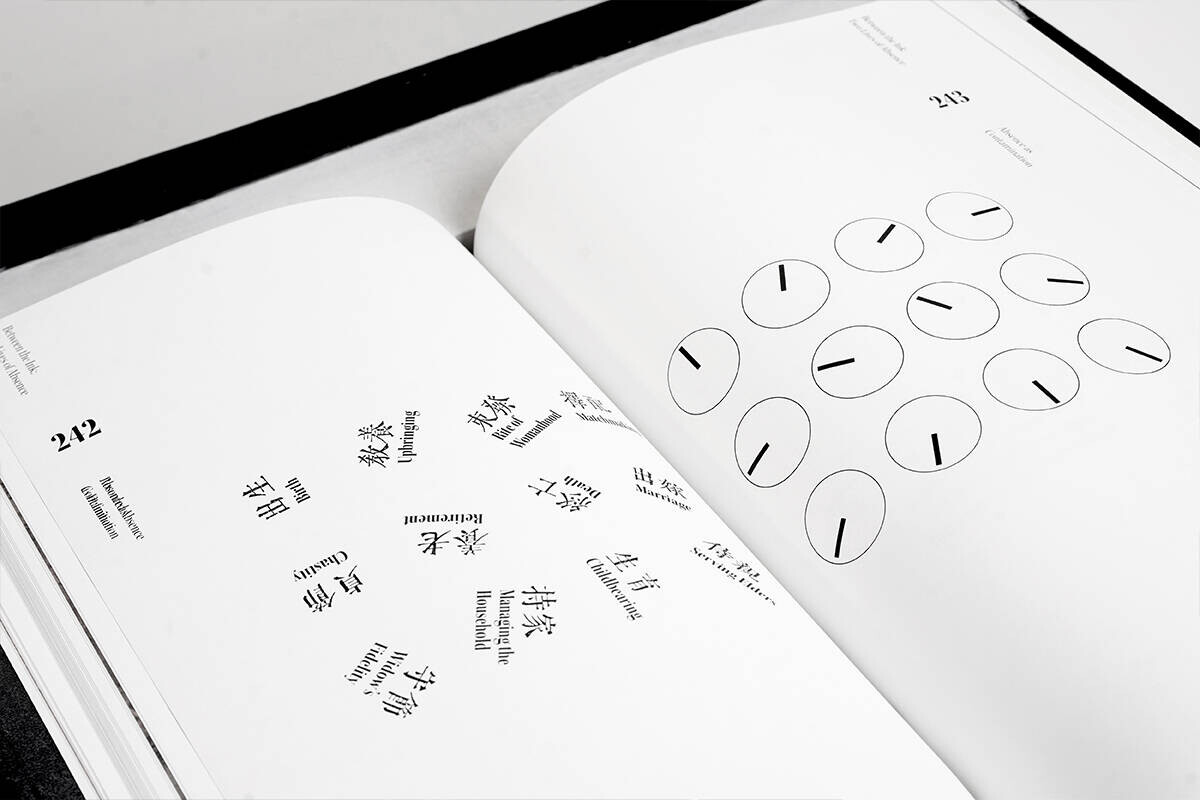
Part II turns to a darker side: white space as narrative gap, particularly in the context of women's histories. The first chapter, Recorded Absence as Definition, examines how a woman's story is reduced through selective narration: her background unrecorded, her motives unacknowledged. These gaps do not stay neutral—they are filled by collective assumption, so that what is missing comes to define her more than anything she might have said. The second chapter, Absence as Contamination, looks at how women who fall outside expected social timelines or spaces become figures of stigma. Moving from the domestic to the political, it traces how societies respond to uncertainty by holding women responsible, converting collective breakdown into a story of feminine contamination.
In aesthetics, white space opens up imagination and completes meaning. In social narratives, white space gets filled with fear, rumor, stigmatization, and prejudice, completing an accusation rather than an understanding.