Return to Sender
Chase Coury
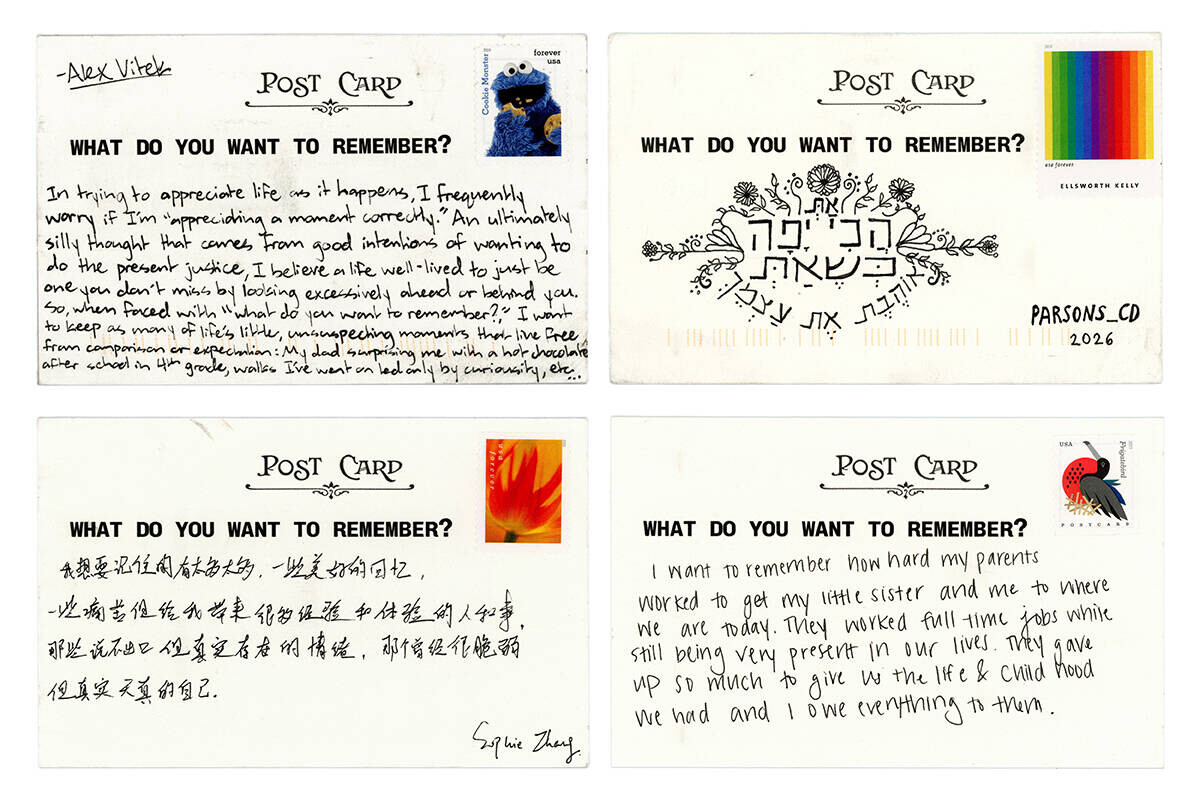
Postcards have always been an intimate form of communication: short messages sent across time and space, usually from one person to another, with just enough room to say something meaningful. In an age dominated by instant digital messages, this slow, thoughtful form of communication is quietly disappearing. More and more, I’ve come across old postcards in thrift stores, ones that were once important to someone, now left behind, with messages that feel like fragments of a story we’ll never fully know. How can we explore design as a storytelling tool while also preserving the emotional resonance of a form once so powerfully rooted in connection and curiosity?
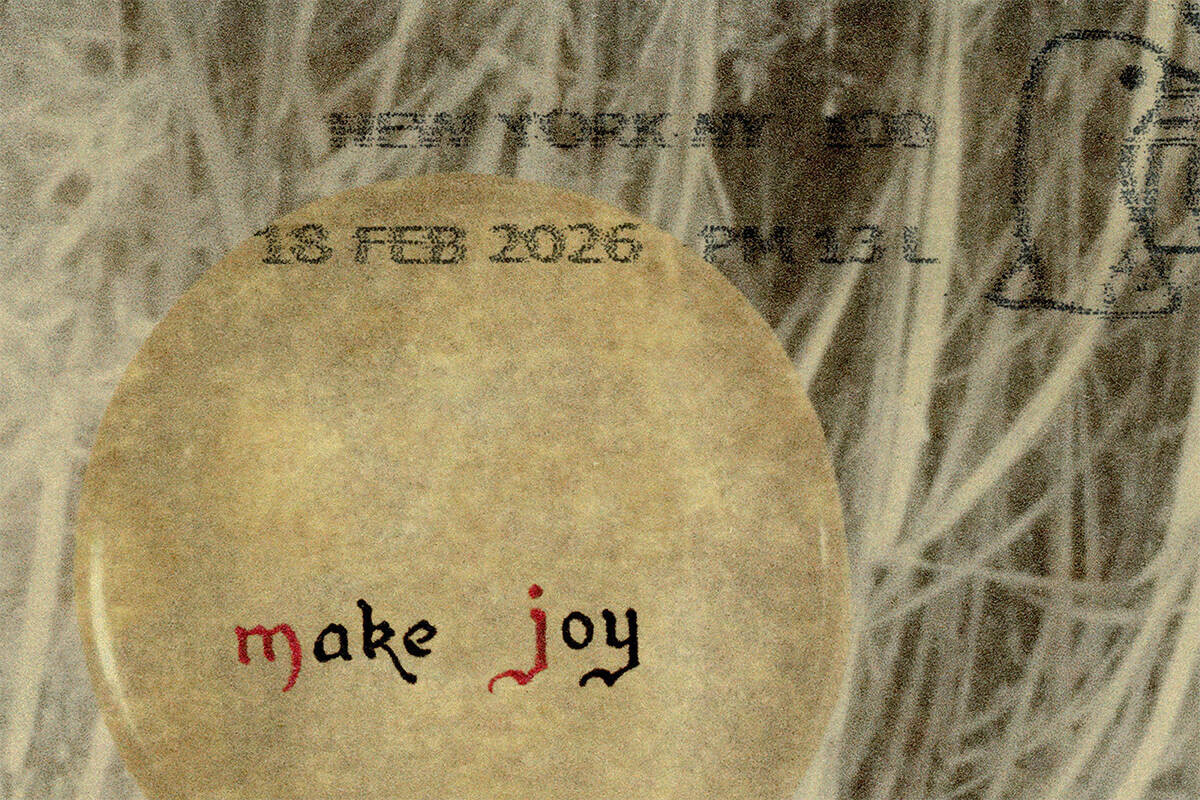
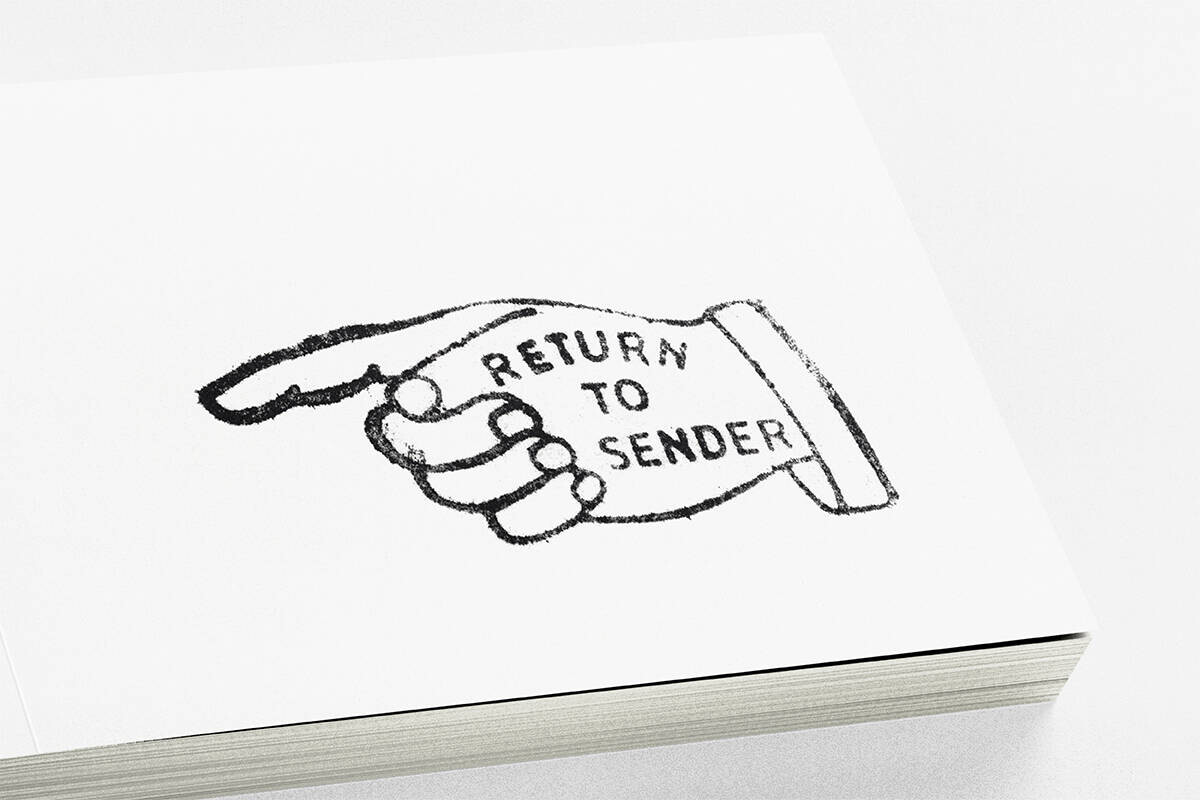
Return to Sender revisits this medium through a department-wide exchange. I distributed postcards to all 153 students in Parsons’ Communication Design graduating class with a single prompt: What do you want to remember? The prompt allowed responses in any language, format, or length, ranging from short phrases to longer texts and drawings. Each card was returned through the postal system, carrying marks of handling, delay, and transit.
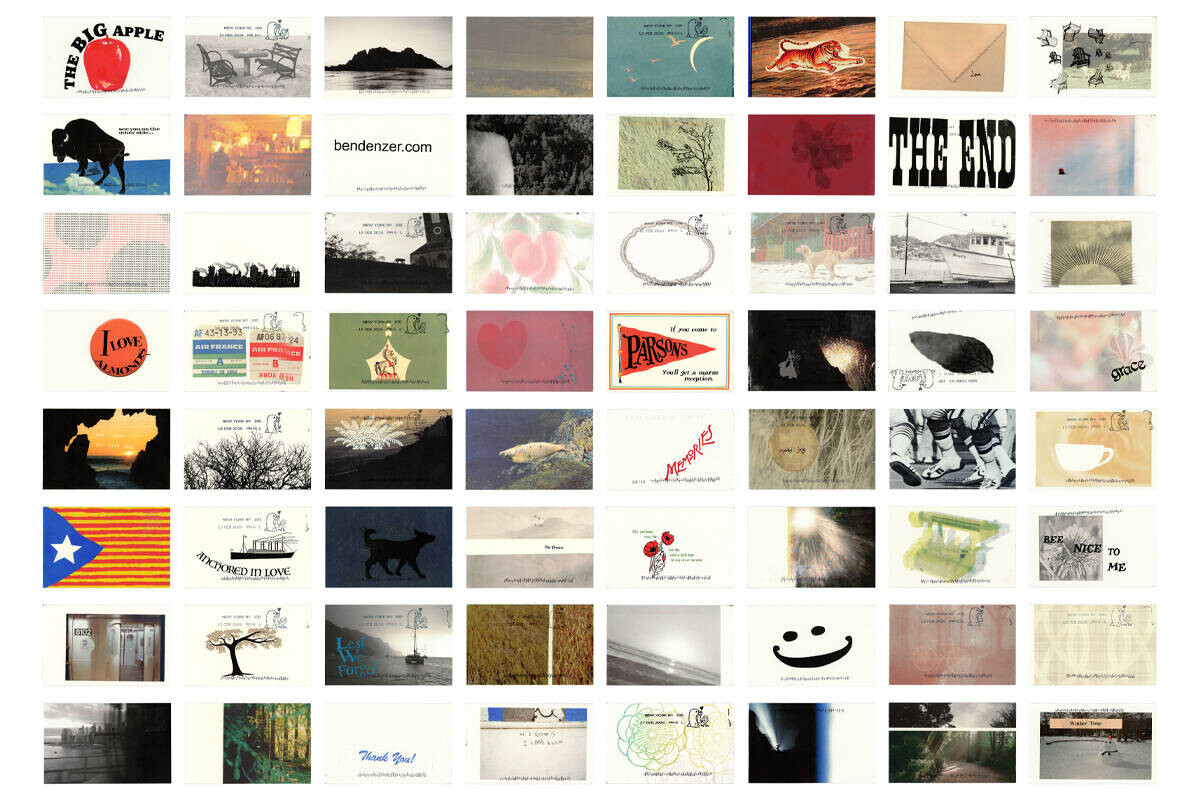
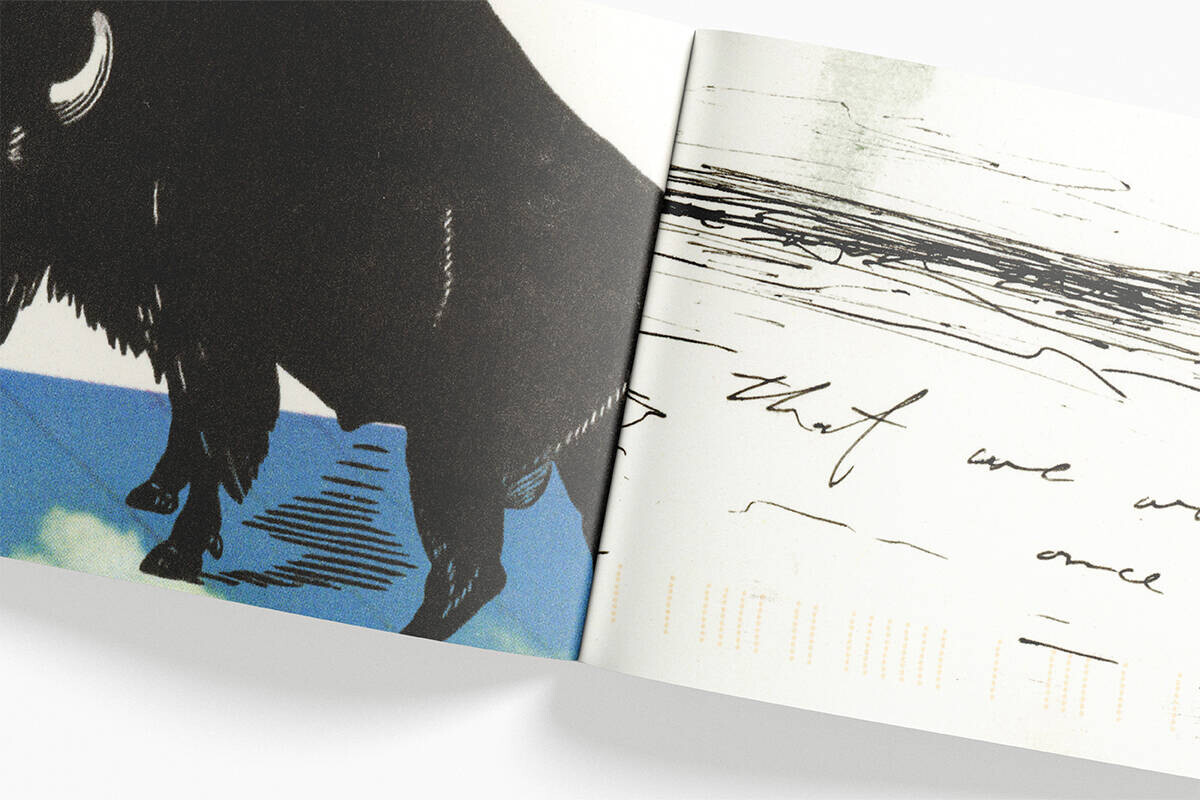
For every postcard received, a corresponding front was designed, translating its message into a visual form that reflects each card’s individual tone and specificity. The project also includes a book containing close-up scans, true-to-size reproductions, and a log of when and where each card was sent. Together, the work treats the postcard as both object and exchange, where memory is shaped by paper, time, and movement.