Mizmaze: A Typographic Exploration of Labyrinthine Systems
Maryana Malashkina

Informed by the uncertainty of the future tense, Mizmaze turns to the structure of the labyrinth to explore narrative and movement. It begins with a question: can a story become a labyrinth? If so, can text itself function as a labyrinthine space?
Labyrinths have always been conceptual as much as physical. Constructing a labyrinth is a symbolic act. If the goal were to simply imprison a creature, as in the myth of the Minotaur, a single locked chamber would suffice. The labyrinth expresses something more profound: the human experience of being lost, of moving without clear direction, and of navigating an unknown system.
A physical labyrinth has a plan. Walls, hedges, or other boundaries guide or obstruct movement, shaping the path of the traveler. Should text function like a labyrinth, it must be one of symbols and ideas, whose structure is difficult, if not impossible, to fully grasp.
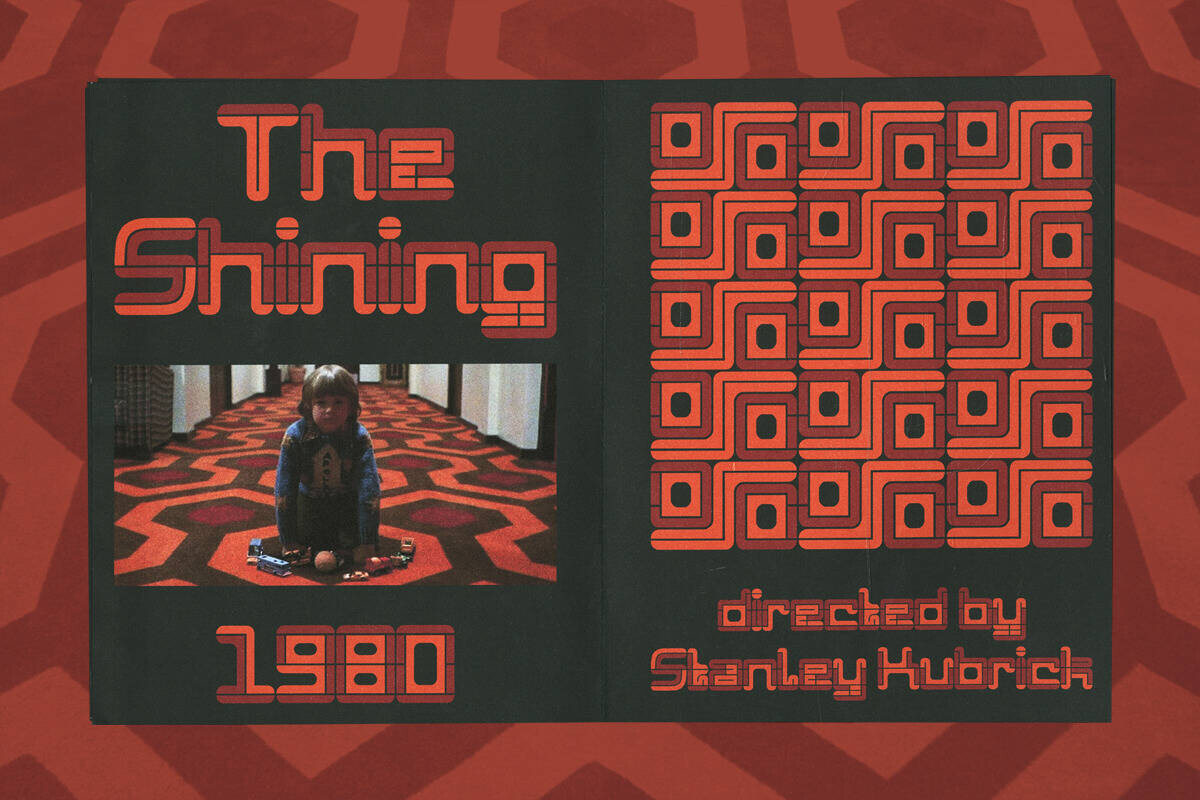
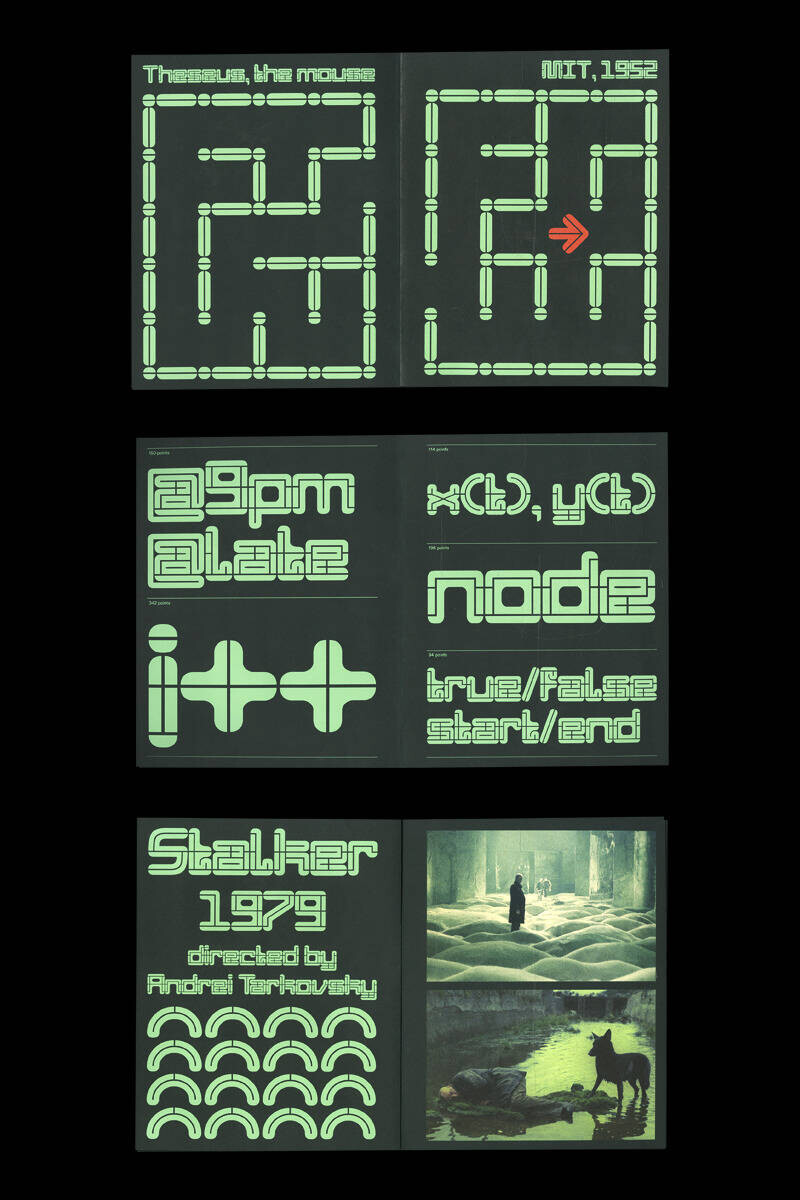
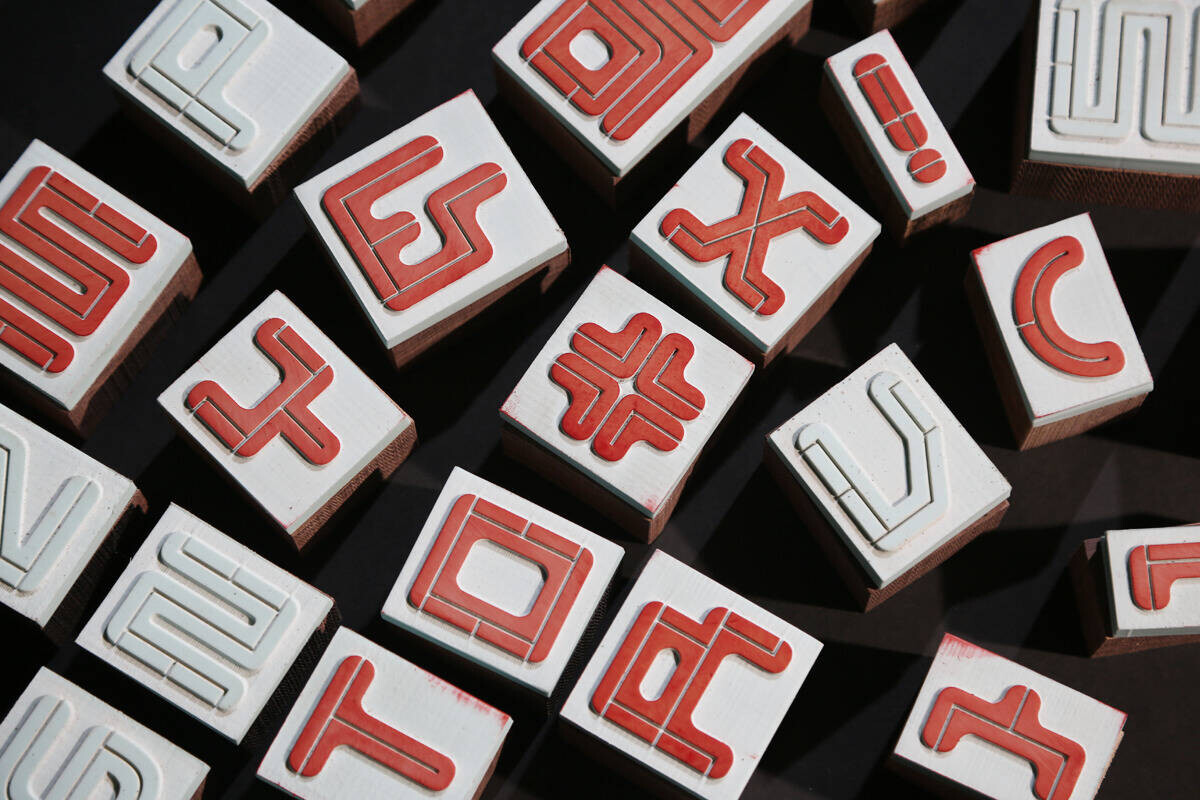
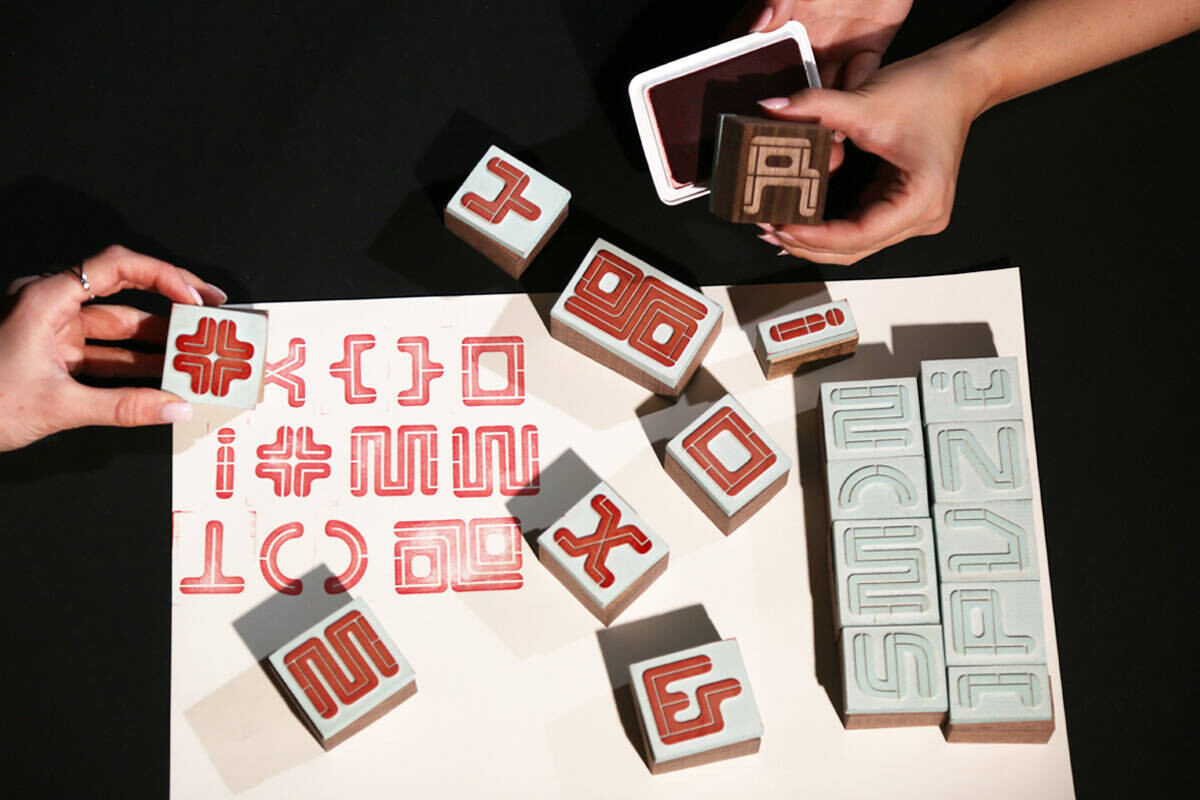
Mizmaze translates this metaphor into typographic form: a display typeface with extended latin support that imagines text as a space to meander. Built from a modular system, each glyph contains an internal pathway. As the letters combine to form words, these pathways connect to form continuous visual corridors. Reading can therefore be understood as a labyrinthine exploration. The typeface is translated into a set of physical stamps, which treat the letterforms as tangible units that can be handled and rearranged to construct custom typographic labyrinths. When we encounter these letters as physical objects, we determine the structure, complexity, and directionality of the labyrinth.