Budgerigar
Chetsuda Chalermwat
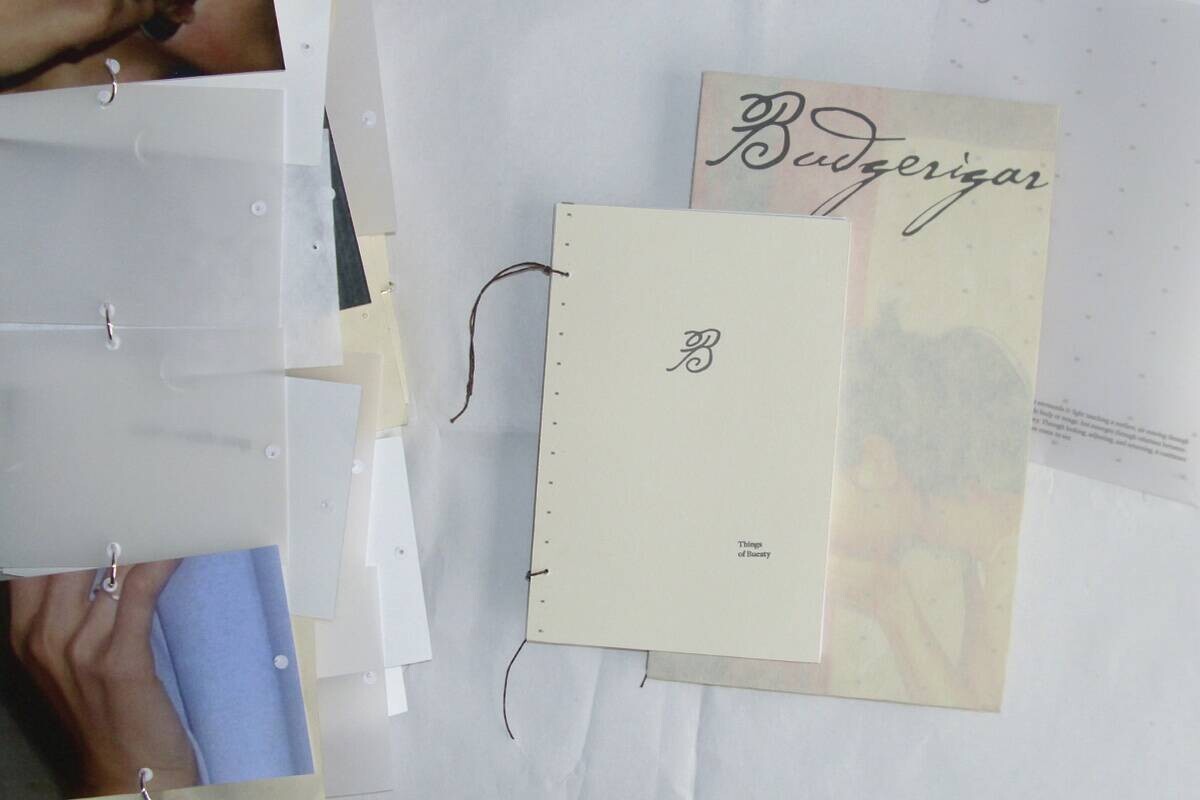
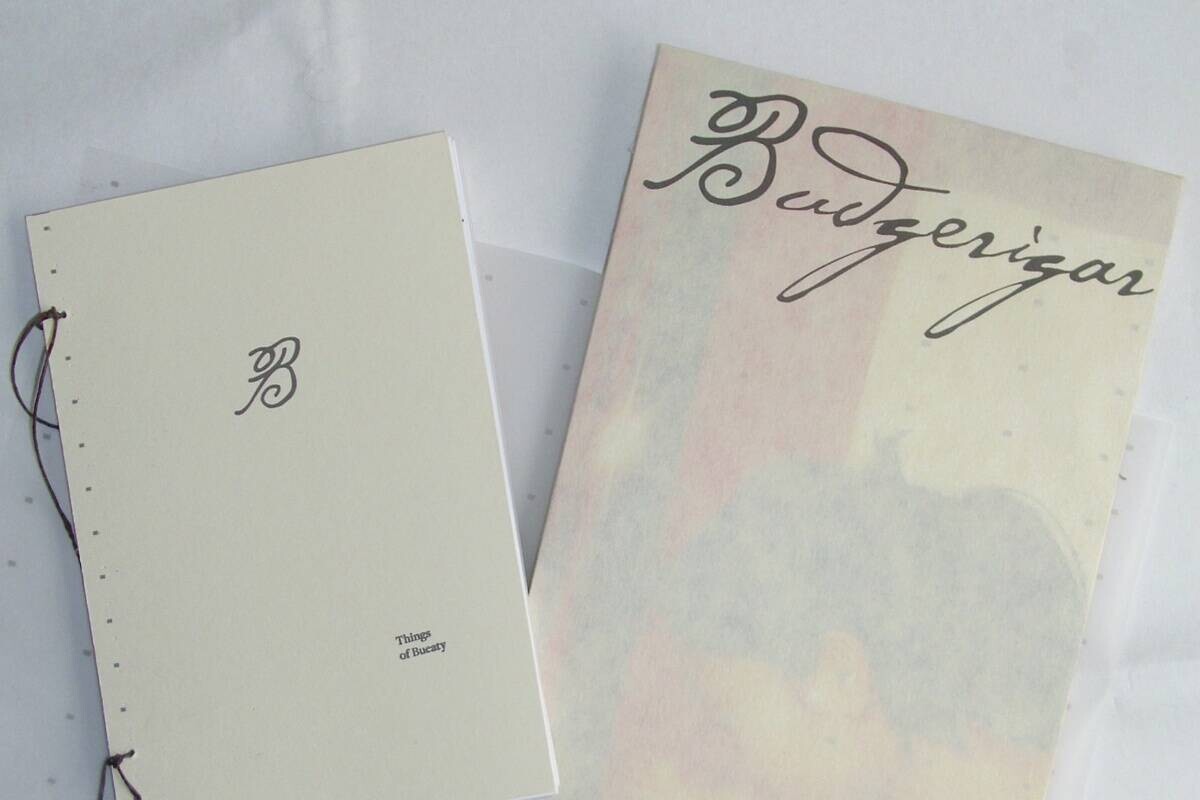
Budgerigar takes its name from the Thai term “นกหงส์หยก” (nok-hong-yok), recalled from my childhood as a teasing phrase for girls who linger at the mirror. The term refers to a type of parakeet, formed from three words: nok (bird), hong (swan), and yok (jade), each associated with ideas of beauty. Parakeets are often thought of as birds drawn to mirrors, echoing the project’s focus on returning to the mirror as a site of observation and engagement.
Budgerigar frames beauty as something practiced, learned, and continually negotiated over time, rather than a fixed state or a constructed ideal. The project approaches beauty through acts of self-attention, ranging from trying on clothes and applying makeup to observing oneself, keeping and removing elements, unfolding through routine and repetition. While these acts may orient toward an ideal, they also operate as ongoing tests, ways of sensing, adjusting, and inhabiting different versions of the self. Beauty is understood as iterative, shaped through habit, change, and effort.
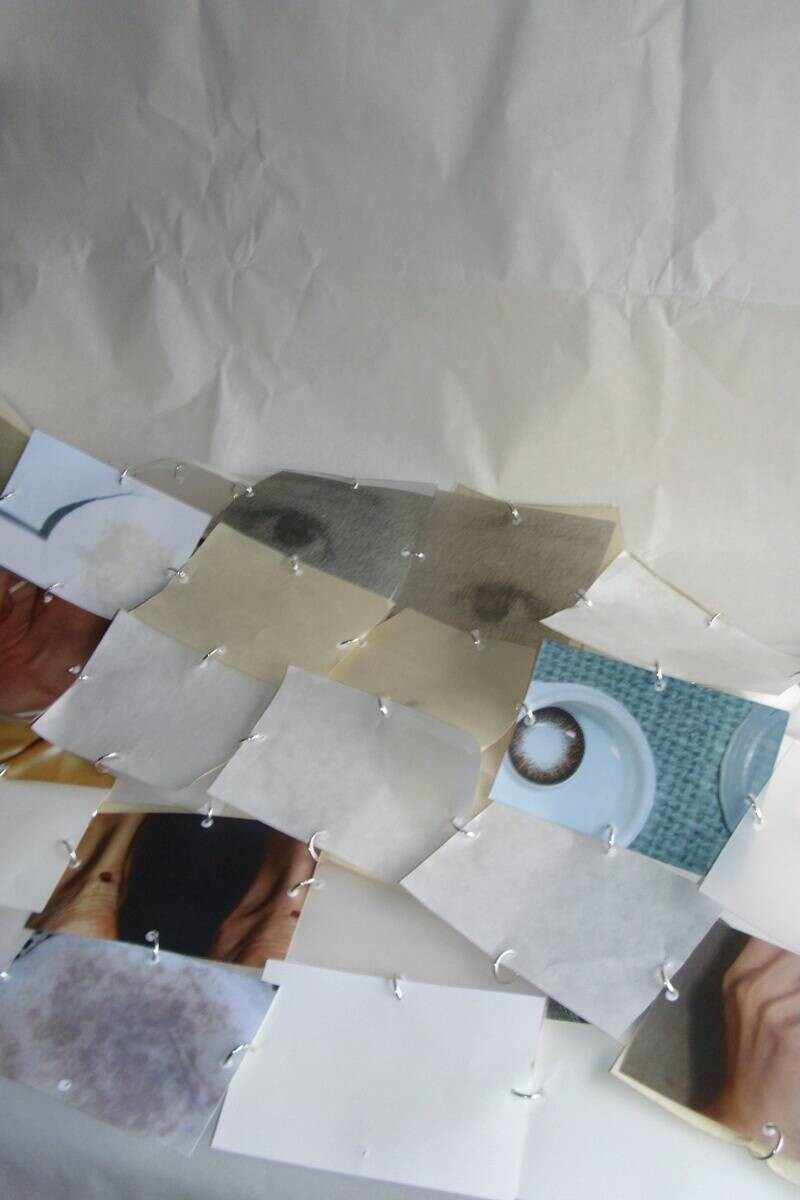
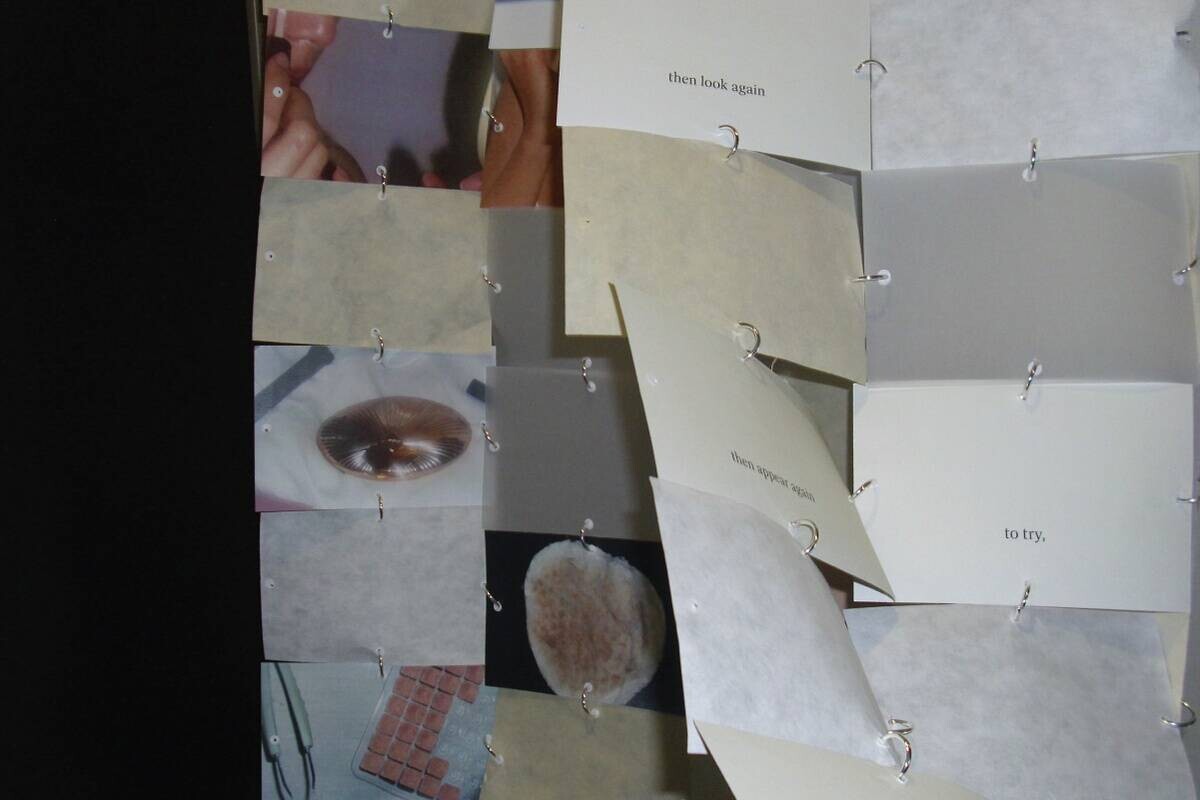
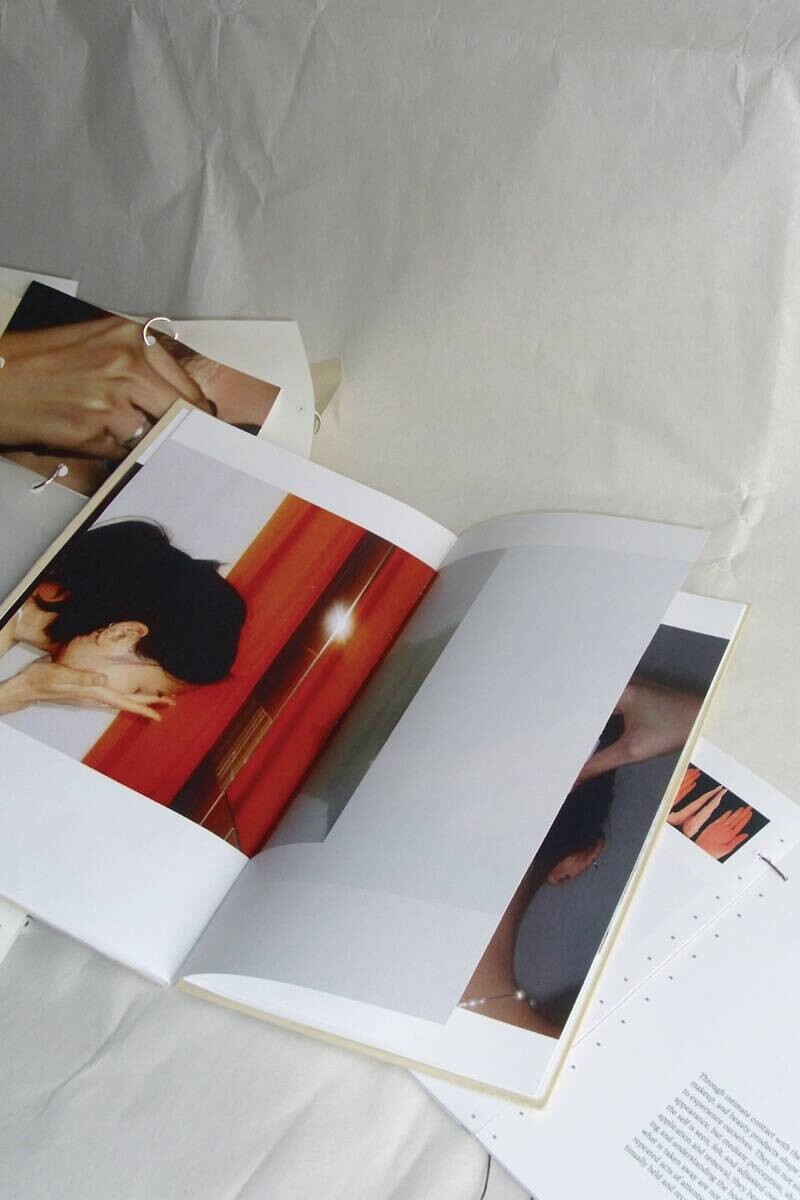
Central to this understanding is visual, tactile, and textual learning, extended through embodied experience. Seeing, touching, and reading, along with handling materials, become ways through which beauty is perceived and refined. The project unfolds across a photobook and a concept book presented within a folder, alongside an installation adaptable in form. These forms bring the work into space, where beauty is built over time through accumulation, reflection, and continual refinement.